

Updated January 2026: We have updated the article to reflect the One Big Beautiful Bill Act’s permanent increase to the annual Dependent Care FSA (DCFSA) limit from $5,000 to $7,500 (or $3,750 if married filing separately), effective January 1, 2026. The article now includes additional regulatory clarifications, employer requirements for plan amendments, information on nondiscrimination testing, and updated employee communication guidance. No significant changes in assistive device or rehabilitation trends were found in the latest research.
Leveraging a Dependent Care FSA for Elderly Parents: Financial Relief and Eligibility Criteria
Caring for elderly parents is a significant commitment, often accompanied by financial burdens. The average adult day health care costs range from $80 to $120 per day, underscoring the need for financial planning. According to the IRS, leveraging a Dependent Care Flexible Spending Account (DCFSA) can offer substantial financial relief in managing these costs. This article outlines how a dependent care FSA for elderly parents can be a powerful tool, detailing eligibility criteria and benefits.
Understanding Dependent Care FSAs for Elderly Parents: What Qualifies?
A Dependent Care FSA is a pre-tax benefit account that allows individuals to set aside funds for daycare services, including care for elderly parents who are physically or mentally incapable of self-care and live with the caregiver. According to the FSA Store, the dependent must reside with you for at least eight hours a day, be claimed on your tax returns, and be unable to care for themselves independently.
Typical Reimbursable Elder Care Expenses
Elder care expenses that qualify for a DCFSA include in-home aides, adult day care services, and potentially some transportation costs to and from care facilities. Unreimbursed medical treatments or residential nursing care are not covered under a DCFSA. The annual contribution limit is permanently increased to $7,500 per household starting in 2026 ($3,750 if married filing separately), offering a 50% higher pre-tax savings opportunity on eligible expenses compared to previous years.
Regulatory updates clarify that employers must amend their plan documents by December 31, 2026, to implement the increased limits, and they must continue to comply with nondiscrimination testing requirements such as the 55% average benefits test to ensure equitable access among employees.[CBIZ][Bricker Graydon] Employers are encouraged to proactively communicate these changes to employees ahead of open enrollment periods.
For more information, see the Dartmouth College official summary.
Step-by-Step: Claiming Elder Care Costs with Your DCFSA
When claiming elder care costs through a DCFSA, precise documentation is crucial. This includes receipts from care providers and evidence that the dependent is incapable of self-care. To prove incapacity, documentation such as medical records or a physician’s statement may be required. Some states have additional restrictions or benefits, so consulting local regulations is advised.
Employers must ensure compliance with updated nondiscrimination requirements when implementing the increased annual limits. This is designed to prevent disproportionate use by highly compensated employees and preserve equitable access for the broader workforce. Employers should communicate plan amendments and provide clear instructions regarding documentation, deadlines, and submission procedures during open enrollment.
For further process details and eligibility guidelines, the University of California Benefits page provides helpful information.
Local Elder Care Services: Providers, Costs, and User Experiences
Selecting the right care provider can significantly impact both the quality of care and cost-effectiveness. Many metro areas boast top-rated services like Senior Helpers and Right at Home, known for their adaptability and high satisfaction ratings. Costs vary, with adult day care services typically ranging from $80 to $120 daily, and in-home personal care aides costing $25 to $35 per hour. These figures can guide better financial planning and provider selection.
Supportive Home Solutions: Enhancing Independence with VELA Chairs
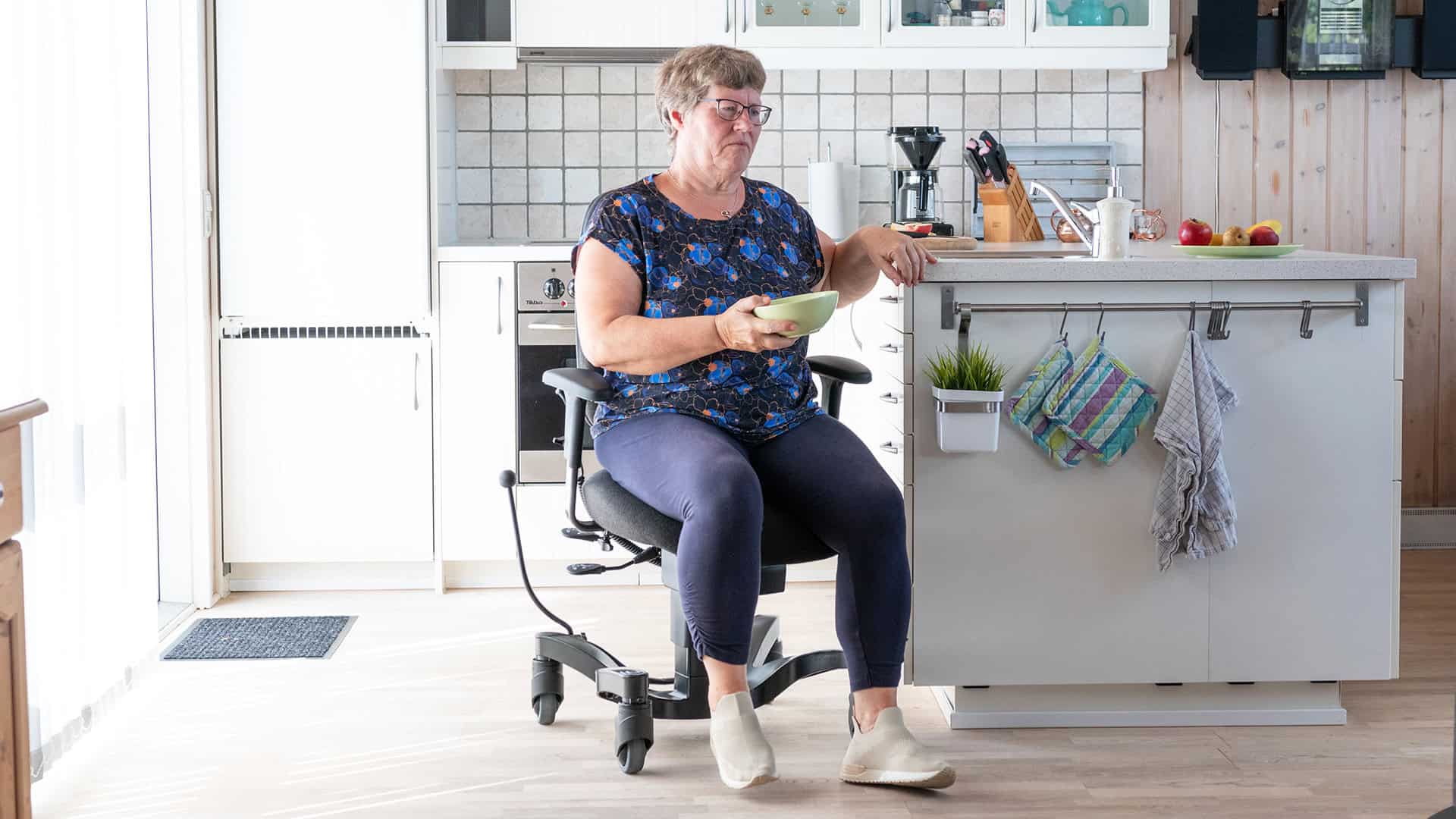
Navigating the nuances of elderly care often involves considering nursing homes as an option. However, for many, the aim is to maintain independence at home for as long as possible. Solutions such as the VELA Independence Chair offer a valuable alternative. Specially designed for the elderly, this medically approved mobility chair enhances safety, provides freedom of movement while seated, and supports daily activities such as cooking, dressing, or transferring. These features not only help reduce the physical demands on informal caregivers but also contribute significantly to prolonging independent living.
Staying independent at home is a priority for many seniors, and mobility solutions like the VELA Independence Chair can make this goal achievable. By offering features such as a central brake for enhanced safety, electric height adjustability, and smooth ease of movement while seated, the chair addresses common elderly care challenges. It can delay the need for more intensive care arrangements by promoting safety and energy conservation. This smart seating option adds dignity and freedom to everyday tasks—whether cooking, cleaning, or relaxing. Although not the only solution, the VELA Chair stands out as a practical aid for supporting aging in place with confidence. More information about these supportive options can be found under Mobility Solutions for Elderly Care and Supporting Elderly Parents at Home.
Emerging Trends: Advancements in Assistive Technology and Rehabilitation
Regulatory and research updates since May 2025 have not identified significant new trends specific to assistive devices, ergonomic designs, or rehabilitation practices for reduced mobility or disabilities. Existing advancements continue to emphasize inclusive product development, such as advanced powered wheelchairs, smart home integration, and wearable rehabilitation devices that support independence for seniors. Tele-rehabilitation and remote monitoring remain key factors for maintaining therapy continuity and enabling personalized care at home.
Sources
- IRS – Dependent Care Benefits
- FSA Store – Elderly Dependent Care Information
- FSAFEDS – DCFSA Expenses
- Beneliance – Dependent Care FSA Limit Update
- Captain Contributor – Dependent Care FSA 2026 Update
- Stinson – One Big Beautiful Bill Employee Benefit Provisions
- Dartmouth HR: 2026 Dependent Care FSA & Child Care Subsidy
- UCNet – DepCare FSA Rules and Deadlines
- DPATH – DCAP and Dependent Care FSA Limit Increase
- American Fidelity – Dependent Care FSA Eligible Expenses
- CBIZ: 2026 Dependent Care FSA Limits Are Increasing
- NIS Benefits: Dependent Care FSA Maximum Will Be Raised in 2026
- Dartmouth HR: 2026 Dependent Care FSA & Child Care Subsidy
- Bricker Graydon: Actions to Take Early in 2026 If You Increased Your Dependent Care FSA Max
- EB Flex: The $7,500 Dependent Care FSA Limit: A Win for Families
- ThrivePass: Major HSA, FSA & Tuition Benefit Changes in 2026
- M3 Insurance: Implications of the Increased Dependent Care FSA
- P&A: Dependent Care FSA Contribution Increase: FAQs for Employers
- Fidelity: How the 2025 tax law could affect your workplace benefits