

Updated October 2025: We have updated the article with new findings on the integration of AI and predictive analytics in senior care, increased use of smart and wearable health technologies, Ireland’s CREATE assistive technology initiative, growth in subscription-based care models, advances in ergonomic and holistic approaches (especially for dementia care), and market trends showing accelerated demand for independent living solutions.
Demographic Growth and Senior Care in Dublin
As Dublin’s demographic landscape evolves, the demand for senior care services continues to grow in both Dublin, Ireland, and Dublin, Indiana. With the number of people aged 65 and over in Ireland having increased by over 40% from 2013 to 2023, according to Central Statistics Office, Ireland, it is crucial to understand the diverse care options available.
Understanding Dublin’s Aging Population: Current Trends and Projections
Dublin, Ireland, has seen significant demographic shifts, with the elderly population projected to double by 2051. Similarly, Dublin, Indiana, isn’t exempt from these changes, where over 21% of its population is aged 65 and older, totaling 204 residents (U.S. Census Bureau American Community Survey). This increase signifies a rising demand for enhanced care services tailored to the unique needs of seniors. As elderly residents live longer, service providers must adapt to offer comprehensive and flexible care solutions to address physical, emotional, and social needs. According to TILDA, understanding these needs is essential for planning for a ‘healthy and happy’ lifespan in later life.
Home Care vs. Residential Care: Options for Dublin Seniors
When considering care for seniors, it’s important to weigh the benefits and limitations of home care against residential care facilities. Home care allows seniors to maintain familiarity and comfort within their own homes, providing personalized in-home assistance, while residential care offers a structured environment with round-the-clock supervision and medical support. The Institute of Public Health in Ireland highlights that such facilities are crucial for seniors needing consistent medical attention.
Promoting Independence: Mobility and Accessibility Solutions
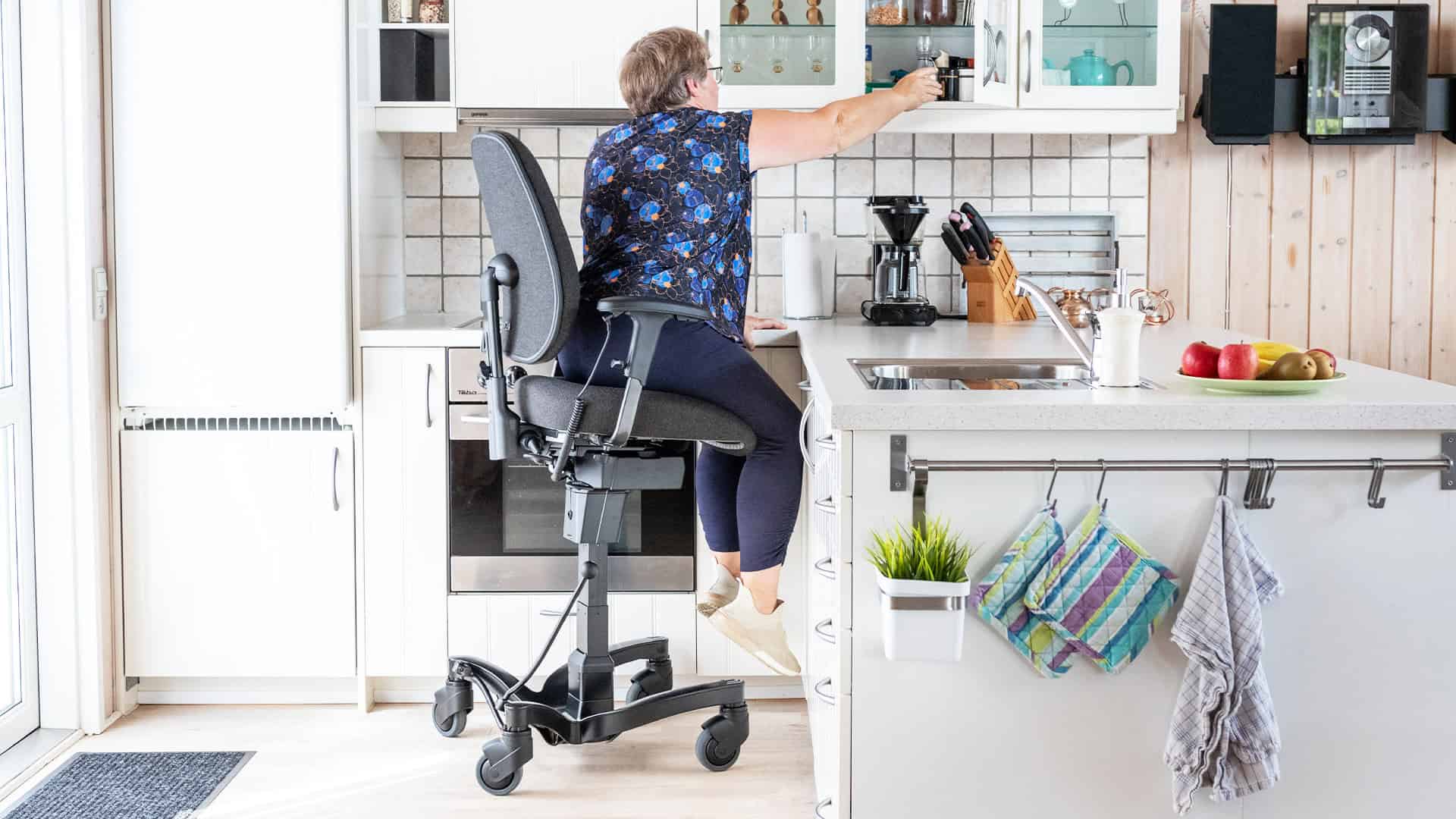
Given the complexities associated with residential care mentioned earlier, many seniors and their families are increasingly looking for solutions that allow older adults to remain independent within their homes. The introduction of innovative mobility aides has proven vital in supporting this preference. Developments such as wearable health devices and smart home technologies now offer seniors additional support for mobility, fall detection, and ongoing health monitoring, reducing dependency on caregivers and promoting independent living.[1][4][7] One such solution is the VELA Independence Chair, a medically approved mobility chair designed to enhance safety and movement freedom. This chair assists with daily activities like cooking, dressing, or transferring while significantly reducing the physical strain on informal caregivers.
Consider the example of Mrs. O’Reilly, a senior in Dublin, Indiana, who regained her confidence after installing handrails and using mobility aids like the VELA chair. Her experience underscores the importance of comprehensive mobility solutions which play a vital role in promoting senior independence and quality of life. According to the CSO Ireland, mobility solutions can greatly impact seniors’ ability to remain active and engaged in their communities.
Financial Planning for Elderly Care in Dublin
Elderly care can present significant financial challenges. Understanding the available financial assistance and planning options is essential. In Dublin, families can access various supports, including state aid and private insurance coverage. Recent years have seen the emergence of subscription-based care models for assistive technology and senior services. These subscriptions can increase affordability and provide continuous access to essential services such as telehealth, emergency response systems, and digital literacy resources, making new technologies and supports more accessible to seniors and families.[4] However, the Institute of Public Health in Ireland reports significant socioeconomic disparities affecting access to quality care.
Practical financial planning scenarios, such as evaluating long-term savings and exploring government programs, can aid in navigating these challenges, ensuring seniors and their families are better prepared for future care needs. For example, Mr. and Mrs. Connolly, both in their late 70s, opted for a combination of government subsidies and personal savings to afford a reputable home care service, illustrating the importance of thorough financial planning.
Beyond Conventional Care: A Path Forward
The landscape of senior care in Dublin is continually evolving. Supporting elderly independence while providing optimal care now increasingly relies on the integration of digital tools such as AI-driven predictive analytics and remote monitoring, which are improving safety, personalized scheduling, and operational efficiency.[1][5][6] In Ireland, government-backed initiatives like the CREATE project, led by the Health Service Executive (HSE), are focused on improving the coordination, funding, and standardization of assistive technologies, helping address regional disparities and advance access and quality in senior services.[2] There is a broader move across Europe toward data interoperability and using AI within health care frameworks, promoting safer, more coordinated care through connected health data systems.[6]
Senior care innovation also includes ergonomic and person-centered models, such as advanced seating for mobility and holistic care in Alzheimer’s and dementia, combining technology, nutrition, exercise, and cognitive stimulation for better quality of life.[1][5] At the same time, evolving consumer preferences are reflected in models like co-housing, rehabilitation-focused home care, and flexible service pathways that support autonomy and inclusion.[1][3]
By balancing mobility solutions, care options, and financial planning—especially in light of technology developments and supportive public policies—Dublin can meet the diverse needs of its senior citizens, ensuring they enjoy a dignified, active, and independent life. As emphasized by the Central Statistics Office, Ireland, and validated by current trends, harnessing these insights is essential for effective future planning.
Supporting Aging in Place: A Practical Option
As the demand for solutions that enable aging in place grows, mobility aids like VELA Chairs have become instrumental in supporting seniors to stay independent longer at home. With features like a central brake for safety, electric height adjustability, and ease of movement while seated, these chairs address critical issues such as fall prevention and energy conservation. Such amenities can significantly delay the need for transitioning to a nursing home, allowing seniors to engage in everyday activities like cooking or cleaning with confidence and ease. While the VELA Chair is not the only answer to mobility challenges, its practical applications provide substantial benefits in enhancing dignity, freedom, and safety for seniors. Exploring chairs designed to prevent falls like the VELA can be a valuable step in crafting a safe, comfortable living environment.
References
- McKnight’s Senior Living, Provider Magazine, and Care.com trends on AI, remote monitoring, and co-housing models in senior care (2025).
- ALONE Ireland, review on assistive technology funding and the CREATE project (2025).
- World Health Organization, global rise in assistive product needs for autonomy and independence (2024/2025).
- Fact.MR, market insights on senior tech services, subscription assistive tech models, and devices forecast through 2035 (2025).
- Health Dimensions Group, 2025 trends in aging services, holistic Alzheimer’s care, and AI in senior care.
- AWS Health Data & AI Day Dublin 2025, European Health Data Space (EHDS) implementation and AI adoption in healthcare.
- ResearchAndMarkets.com, elder care services and assistive devices market (2025).