

Updated September 2025: We have updated the article to reflect new breakthroughs in assistive technologies, including advancements in AI-powered devices, smart home integration, robotics, wearable health monitoring, remote care practices, and inclusive design trends supported by current clinical and regulatory guidance. Expanded references (see sources) now address the latest in telemedicine, adaptive mobility aids, and technologies facilitating aging in place for seniors in Massachusetts.
EF Senior Care: Leading the Way in Senior Living in Massachusetts
EF Senior Care exemplifies excellence in senior living facilities and elder care services in Massachusetts. As a leader in consulting, management, and operations, EF Senior Care is dedicated to delivering high-quality services tailored to the diverse needs of older adults. According to CDC, about 80% of older adults have at least one chronic condition, highlighting the need for comprehensive and adaptive care solutions, which EF Senior Care is well-equipped to provide through its innovative approaches and operational expertise.
Overview of Elderly Care Services in Massachusetts
In Massachusetts, a wealth of senior care options is available to meet diverse needs, including skilled nursing, assisted living, memory care, and independent living facilities. These are governed by stringent state regulations to ensure safety and quality. According to the Massachusetts Executive Office of Elder Affairs, more than 1.6 million residents are aged 60 and over, making quality compliance and oversight key regulatory priorities.
Facilities like Sunny Acres, part of EF Senior Care, exemplify these standards by integrating innovative practices such as personalized care plans and enhancing residents’ quality of life through structured physical and social activities. Recent advancements now enable facilities to implement next-generation assistive technologies, including AI-enhanced mobility devices, cross-platform communication tools, and smart home environmental controls, all improving safety, comfort, and participation in daily life.Channel Point VillageMy Care Concierge
Profile of Today’s Senior Living Resident: Needs & Trends
Today’s senior living residents often present with conditions such as dementia, cardiovascular disease, and mobility issues. These health challenges underscore the need for specialized care solutions. For example, residents at EF Senior Care benefit from tailored therapies and social activities that cater to their specific health challenges and personal interests, demonstrating the practical impact of customized care plans.
In 2025, new trends highlight the growing adoption of advanced assistive devices and digital health technologies among residents. Examples include AI-powered smart glasses for navigation and reading, remote health monitoring wearables, robotic companion devices, and interactive telemedicine platforms that facilitate access to specialists and routine care without leaving the facility.CycesThinkBeyondTheChair.orgTomcare Australia These technologies enhance personalized care, safety, and engagement while also supporting independence and dignity for older adults.
Financial assistance is also a key consideration, with programs like the Extended In-Home Services for the Elderly Program (EISEP) offering sliding scale costs to ensure seniors receive necessary aid EISEP. Additionally, recent policy shifts are making insurance reimbursement and funding for technology-based care more accessible, benefiting both caregivers and families.Ability Mount
Evaluating Senior Living Facilities: Key Quality Indicators
When assessing senior living facilities, compliance with state standards, quality metrics, and safety oversight are paramount. As Massachusetts State Standards mandate, facilities must adhere to stringent requirements to ensure resident well-being. High staff turnover can hamper care continuity, as noted by JAMDA, highlighting the importance of staff retention.
EF Senior Care addresses such challenges through comprehensive staff training programs, ensuring employees are well-equipped to provide compassionate and effective care, thus enhancing trustworthiness and demonstrating competent expertise in elder care. The integration of new technologies—such as AI-enhanced fall detection, remote health monitoring, and smart environment controls—serves as an emerging quality indicator. Facilities now increasingly prioritize seamless technology adoption, adaptive upgrades to mobility and communication aids, and connected care ecosystems that keep both families and clinical teams informed in real time.Heisinger BluffsChannel Point Village
Home Care vs. Facility Care: What’s Best for Your Loved One?
Deciding between home care and facility care involves weighing costs, benefits, and personal preferences. Home care, such as services from EF Home Care, offers personalized support in the individual’s home. In contrast, facility care provides a structured environment with round-the-clock medical support, ideal for seniors with higher acuity needs EF Senior Care.
Increasingly, both care environments leverage leading-edge technologies to enhance quality of life. Home care now commonly features remote health monitoring, virtual consultations via telemedicine, and the use of smart home devices such as voice-activated lighting and climate control systems. Facility care integrates modular adaptive aids, rehabilitation robotics, and advanced communication platforms to meet evolving resident needs. These changes offer greater flexibility and customization, empowering families and caregivers.CycesAbility Mount
Testimonials from families who have experienced both options highlight the flexibility and adaptability of EF Senior Care’s services, offering peace of mind from quality yet practical care provided.
Supporting Aging in Place: A Practical Option
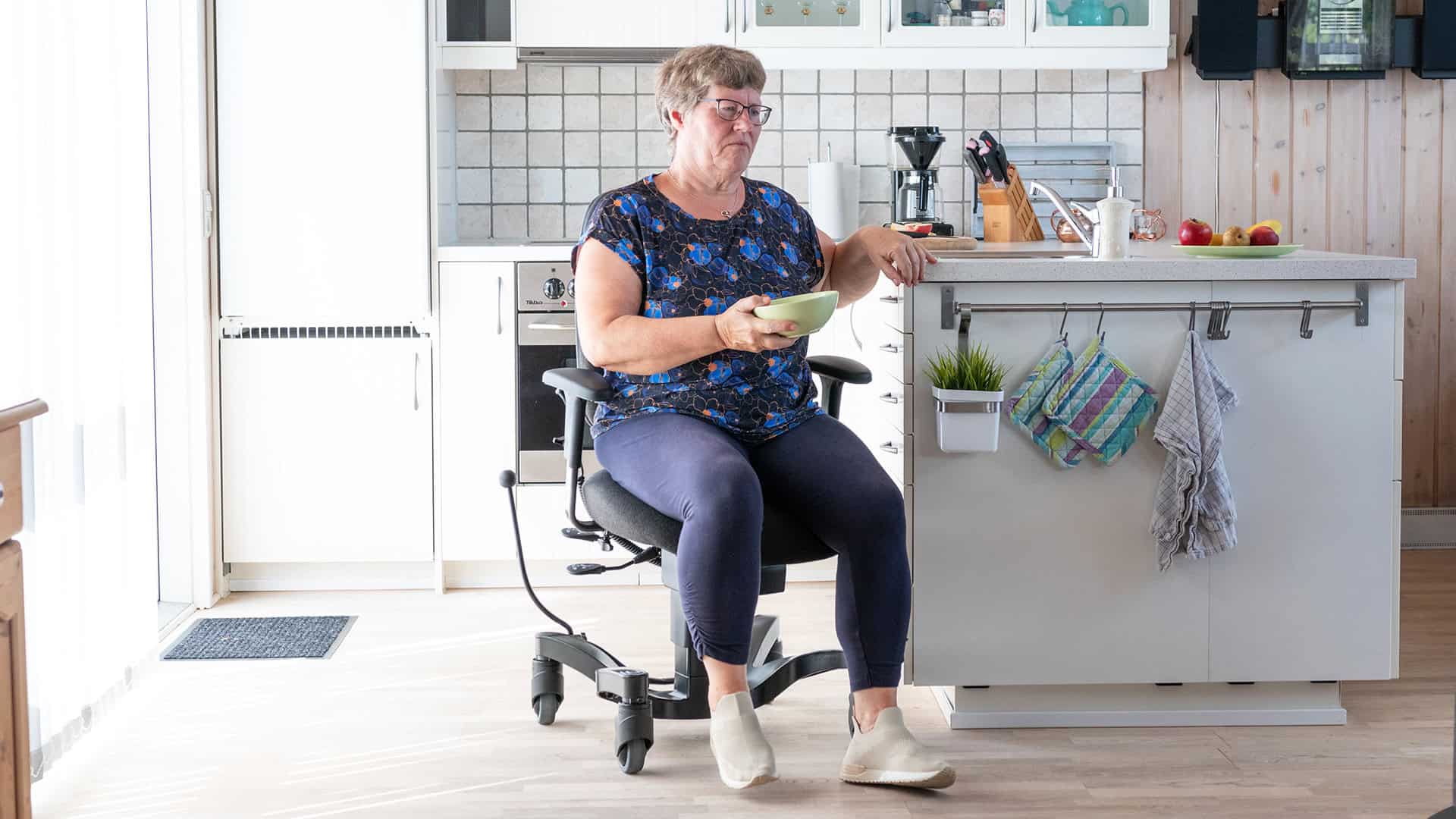
Mobility solutions like VELA Chairs play a crucial role in helping older adults remain independent at home for longer periods. These chairs offer specific features that address common challenges such as safety, energy conservation, and ease of transfers, potentially delaying the need for a nursing home. Key features include a central brake for enhanced safety, electric height adjustability for ease of movement while seated, and supports that enhance quality of life by making everyday tasks such as cooking, cleaning, and relaxing more manageable. With VELA Chairs, seniors experience values such as dignity and freedom in their daily lives. While VELA stands out as a proven and practical solution, it is one of several options in the comprehensive landscape of elderly support. Using aids like the safe and comfortable chairs for seniors and mobility chairs for improved daily living, aging in place becomes not only feasible but also enriching. In addition, many seniors are now benefiting from an integrated approach combining mobility aids, wearable health trackers, smart home automation, and personalized telehealth solutions that work together to create a safe, connected home environment and enable a higher quality of independent living.CycesTomcare AustraliaHeisinger Bluffs