

Updated January 2026: We have updated the article to reflect significant advances in elderly care technologies, including AI-powered and sensor-based mobility aids, IoT-connected smart home devices, telehealth integration, and remote monitoring solutions. The article now highlights mainstream adoption of smart DME, fall prediction systems, voice-activated controls, and the impact of these innovations on Asheville’s senior community, aligning with regional trends and current best practices.
Elderly Care in Asheville, NC: Comprehensive Insights and Resources
Asheville, North Carolina, is distinguished not only by its scenic beauty and cultural vibrance but also as an emerging hub for retirees. This trend has led to a “silver tsunami”—a burgeoning increase in the elderly demographic. By 2025, approximately 22.6% of Buncombe County residents will surpass the age of 65, highlighting the urgent need for robust elderly care systems. According to AVL Watchdog, the Asheville Chamber of Commerce emphasizes factors such as mild climate and abundant cultural activities as key attractors for retirees.
The Demographic Shift: Understanding Asheville’s Aging Population
The changing demographics of Asheville reflect a higher-than-average elderly population, with 19.25% of residents aged 65 and above, exceeding the national average of 16.84%. Furthermore, those 70 and older form a significant community segment. Contributing factors include appealing lifestyle options, high-quality healthcare, and a supportive community environment.
This demographic swell is reshaping local services, requiring substantial adaptation and expansion. According to AVL Watchdog, local service providers see increased demand—challenges addressed through strategic planning and enhanced funding.
Diverse Elderly Care Options in Asheville
Asheville provides an extensive range of senior care options, from in-home services to specialized healthcare facilities. In-home care, offered by providers like Senior Helpers and HomeCare.com, facilitates seniors’ independence, encompassing daily living assistance to specialized dementia care.
For those needing structured environments, adult day programs and skilled nursing facilities, exemplified by MountainCare, deliver essential social interaction and healthcare support. The Mountain Area Health Education Center (MAHEC) is pivotal, offering geriatric medical care tailored to the elderly’s unique health needs. Reference North Carolina Health News for further details.
Testimonials from families using these services emphasize professional, compassionate care, enhancing senior life quality.
Technology Advancements in Elderly Care
Recent advancements are transforming elderly care in Asheville and beyond. AI-powered assistive technologies now include smart mobility devices such as obstacle-detecting and stability-adjusting wheelchairs and walkers, voice-activated controls, and sensor-enabled bathroom grab bars that deliver fall alerts and real-time safety feedback. Predictive analytics and AI fall prediction systems support proactive intervention by analyzing movement and health data, reducing emergency hospital visits and improving seniors’ ability to age in place (LeadingAge, iHealthcareAnalyst, AANP, Provider Magazine).
Wearable health devices have become multifunctional, providing continuous monitoring of vital signs, mobility, and falls, while offering telehealth integration for automatic health updates to care teams and emergency responders. For Asheville’s seniors, especially those navigating hilly or remote terrain, these tools support quick escalation of care and improve safety at home and outdoors (LeadingAge, AANP).
Smart home and IoT connectivity has become central, with medical devices, environmental controls, and safety sensors all working together in integrated home ecosystems. These enable real-time monitoring, personalized reminders, and remote caregiver oversight, supporting independent and safe living (iHealthcareAnalyst).
Telehealth and virtual care services are now fully mainstream and frequently reimbursed by insurance. Seniors use video calls, virtual check-ins, and AI-driven symptom checkers for fast assessments, improving access to medical advice and reducing unnecessary ER visits—especially beneficial for Asheville’s elderly in rural or elevated neighborhoods (LeadingAge, AANP).
AI-powered coaching and hyper-personalized rehab tech now deliver tailored exercise, medication reminders, and daily living support via smart apps and devices, improving adherence and mobility for seniors. Remote caregiver and family apps provide secure, real-time updates and facilitate involvement no matter the distance (AANP, Provider Magazine).
The adoption of ergonomic and inclusive design continues to improve usability for seniors with reduced dexterity or cognitive challenges, with custom-fitted and even 3D-printed devices for superior function and comfort (iHealthcareAnalyst).
Despite these advances, obstacles such as technology cost, regional digital literacy gaps, and workforce shortages persist. However, state and federal programs are expanding reimbursement and accessibility, in alignment with North Carolina’s senior care policies targeting improved safety and independence through technology adoption (LeadingAge, Provider Magazine).
Financial Considerations for Elderly Care in Asheville
Planning for elderly care encompasses various financial avenues, including Medicare, Medicaid, and private insurances. Local aid programs and subsidies significantly ease financial burdens. Notably, comprehensive in-home care often proves more economical in comparison to full-time residential facilities.
A revealing case study shows how a family effectively leveraged Medicare alongside local subsidies to manage elderly in-home supportive service costs. For more details, consult NCDHHS. Understanding these financial facets is crucial for families aiming to provide optimal care without undue strain.
With regulatory programs and market growth pushing the assistive technology sector toward an estimated value of more than $112 billion by 2034, financial accessibility to mobility devices and smart technologies is expected to improve, aided by expanding government support and insurance policies (Custom Market Insights, iHealthcareAnalyst).
Enhancing Independence with Mobility Solutions
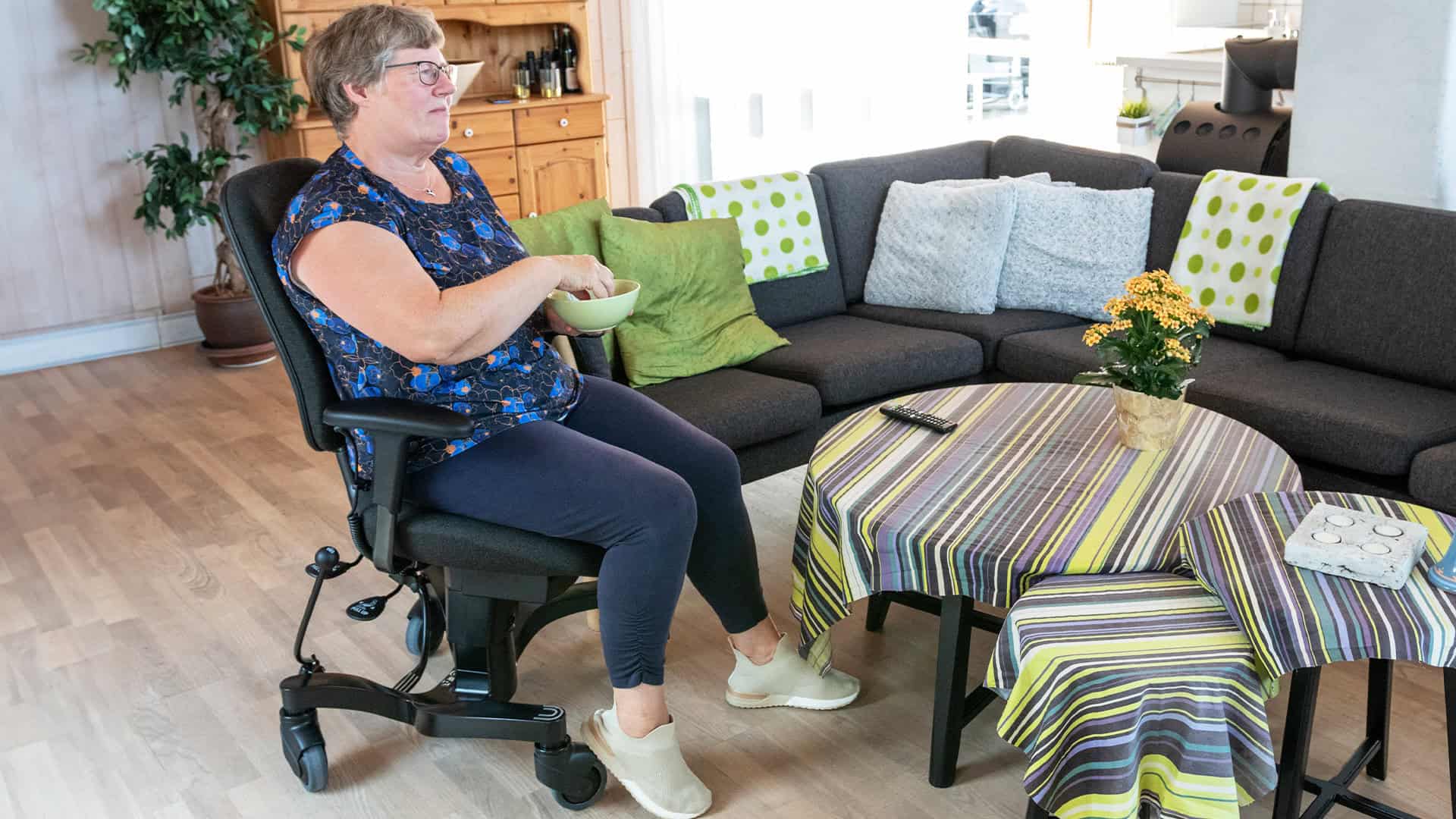
Faced with the challenges of traditional nursing homes, many elders in Asheville seek alternatives that allow them to maintain their independence within familiar surroundings. This approach emphasizes the importance of supportive solutions that facilitate aging in place, such as the use of specialized in-home equipment. The VELA Independence Chair, for example, is a medically approved mobility chair designed to enhance safety, provide freedom of movement while seated, and support daily activities like cooking, dressing, or transferring—all while reducing the load on informal caregivers. To explore more about help for seniors at home, visit supportive resources available for those choosing to age in place.
Supporting Aging in Place: A Practical Option
Choosing to age in place with the help of mobility solutions like the VELA Independence Chair offers practical benefits that contribute to maintaining independence longer at home. These chairs are specifically designed to address the challenges of safety and ease of movement, thanks to their central brake, electric height adjustability, and seamless maneuverability while seated. They assist seniors in daily activities, from cooking meals to cleaning, with dignity and minimal strain. For those in Asheville, incorporating such equipment can significantly delay the transition to a nursing home by empowering seniors to live more independently. While the VELA chair is not the only solution available, it remains a proven and practical option that supports a higher quality of life for seniors striving for autonomy. Discover how this mobility solution can support seniors living independently and provide the needed support for aging at home.
Sources
- LeadingAge. “3 Trends in Senior Care Technology.”
- AANP. “Top Five Health Care Trends for 2026: How New Technology Is Transforming Patient Care.”
- Provider Magazine. “Long Term Care 2026 Trends and Outlook.”
- iHealthcareAnalyst. “Geriatric Assistive Devices Market Trends.”
- Synchrony Home Health Care. “The Future of Home Health Care: Trends to Watch in 2025.”
- ButterflyMX. “Senior Living Technology Trends 2025: Shaping the Future.”
- My Care Concierge. “How Technology will Transform Senior Care in 2025.”
- Cyces. “AgeTech Trends 2025: AI, Robotics & the Future of Aging.”
- BCC Research. “Global Elder Care Services and Assistive Devices Market.”
- Age in Place Tech. “Market Overview 2025 Technology for Aging.”
- Heisinger Bluffs. “The Future of Senior Living: Trends to Watch in 2025.”
- Right at Home Pierce County. “2025 Trends for Seniors.”
- Custom Market Insights. “Disabled and Elderly Assistive Technology Market Size and Forecast 2025-2034.”
- GlobeNewswire. “U.S. Assistive Technologies for Older Adults Market Analysis 2025.”
- Placitacare. “How the 2025 Senior Tech Boom is Making Aging in Place Easier.”
- Age in Place Tech. “Caregiving in the US 2025: More Tech, Not Much Caregivers Could Use.”