

Updated January 2026: We have updated the article with the latest trends in elderly care, including advancements in AI-powered predictive health monitoring, Edge AI-enabled ambient safety systems, hyper-personalized care plans, smart mobility devices with real-time tracking and health monitoring, and clinical-grade wearables, reflecting the most recent research and innovations that support senior independence and quality of life.
Updated October 2025: We have updated the article to reflect new trends in assistive technology, including advances in AI-powered mobility aids, smart home and wearable devices, telemedicine, and IoT sensor integration. The latest expert and regulatory perspectives on home-based care and remote monitoring are also included, emphasizing growing support for autonomy and personalized solutions for seniors in Atlanta.
Elderly Care in Atlanta: Navigating a Growing Need for Supportive Solutions
As Atlanta sees a notable rise in its elderly population, the demand for comprehensive and effective elderly care solutions expands dramatically. Home to a rapidly aging demographic, Georgia represents the ninth fastest-growing population of adults aged 60 and older, with over 20% of its residents in this demographic category. According to the Atlanta Regional Commission, these trends underscore the urgency for a robust elderly care infrastructure to cater to this burgeoning segment.
Atlanta’s Aging Population and Care Demands
Atlanta’s demographic landscape is shifting, with the senior population projected to reach 1.3 million by 2050—a 122% increase from 2020. Forsyth County alone expects a 211% growth in its elderly residents, reflecting broader state trends. This population surge demands a multifaceted approach to elderly care, as families in areas like Forsyth seek viable care options amidst growing demands. The aging population in Atlanta creates a pivotal moment for reevaluating available resources and support networks tailored to seniors’ needs.
Navigating Atlanta’s Elderly Care Market
The current landscape of elderly care in Atlanta faces several challenges, including staffing shortages in skilled nursing facilities and varying quality standards across services. The Department of Human Services highlights workforce demands as a critical concern, compounded by the need for modernized infrastructure. Nonetheless, exciting innovations are on the horizon. For instance, technology adoption, especially the integration of artificial intelligence (AI) and telehealth services, is significantly improving patient outcomes. AI-driven smart assistive devices and remote monitoring have become standard components of care, allowing for personalized health tracking, predictive analytics, fall detection, and voice-controlled support, all enhancing independence and safety for seniors[1][4]. Recent trends also include the integration of smart home devices and wearable technology, which enable seniors to live more independently by providing real-time health and safety monitoring, automated reminders, and support for daily activities.
Advanced AI-powered predictive health monitoring is now found in devices such as smart toilet seats and wearables, which can detect UTIs, nutritional deficiencies, and disease progression before escalation, supporting proactive care interventions. Additionally, Edge AI for ambient safety systems automatically manages risks by shutting off stoves, adjusting lighting, and monitoring for falls without traditional surveillance, increasing both safety and privacy for seniors[3].
A recent case study of a local nursing home showcases these advancements, illustrating how embracing such technologies enhances care delivery and patient satisfaction.
Diverse Living Arrangements and Care Options
Atlanta offers various living accommodations to suit the diverse needs of its senior citizens, including independent living, assisted living communities, and skilled nursing facilities. According to Caring.com, home care services are a popular choice, enabling seniors to maintain autonomy with essential help in areas such as daily personal care and medication management. These services now increasingly leverage telehealth and remote monitoring to provide continuous care, virtual consultations, and vital signs tracking without requiring travel, making staying at home safer and more practical[5]. Increasingly, solutions involve personalized care plans supported by IoT and sensor technologies that adapt to the unique needs of each senior, improving overall quality of life and autonomy.
Reflecting the latest trend, hyper-personalized care plans now replace one-size-fits-all models, featuring adaptable scheduling and specialized training for complex conditions, such as dementia and Parkinson’s[3].
For example, consider a senior in Fulton County who transitions from independent living with home care support to an assisted living facility—a progression involving crucial family decision-making that underscores the importance of adaptable care environments.
Financial Considerations and Community Resources
Understanding the financial aspects of elderly care is crucial for families evaluating options. In Atlanta, home care averages $20–$30 per hour, while assisted living facilities range from $3,500 to $5,000 monthly. Skilled nursing entails a more substantial investment, with monthly costs from $7,000 to $10,000. Nevertheless, Atlanta offers robust financial support through programs like Medicare, Medicaid, and VA benefits. Current policy changes increasingly promote the adoption of enabling technologies in home-based care, with Medicaid and other government services supporting tech-based, adaptive solutions designed to enhance seniors’ independence and quality of life[5]. The Atlanta Regional Commission provides invaluable resources and guidance on accessing these financial assistance programs, emphasizing thorough planning when choosing care solutions. Evolving regulatory and clinical guidelines now reflect the importance of supporting technology integration and remote care for seniors.
Transitioning from nursing home challenges, families seek solutions that enable older adults to remain safely and independently in their own homes for as long as possible.
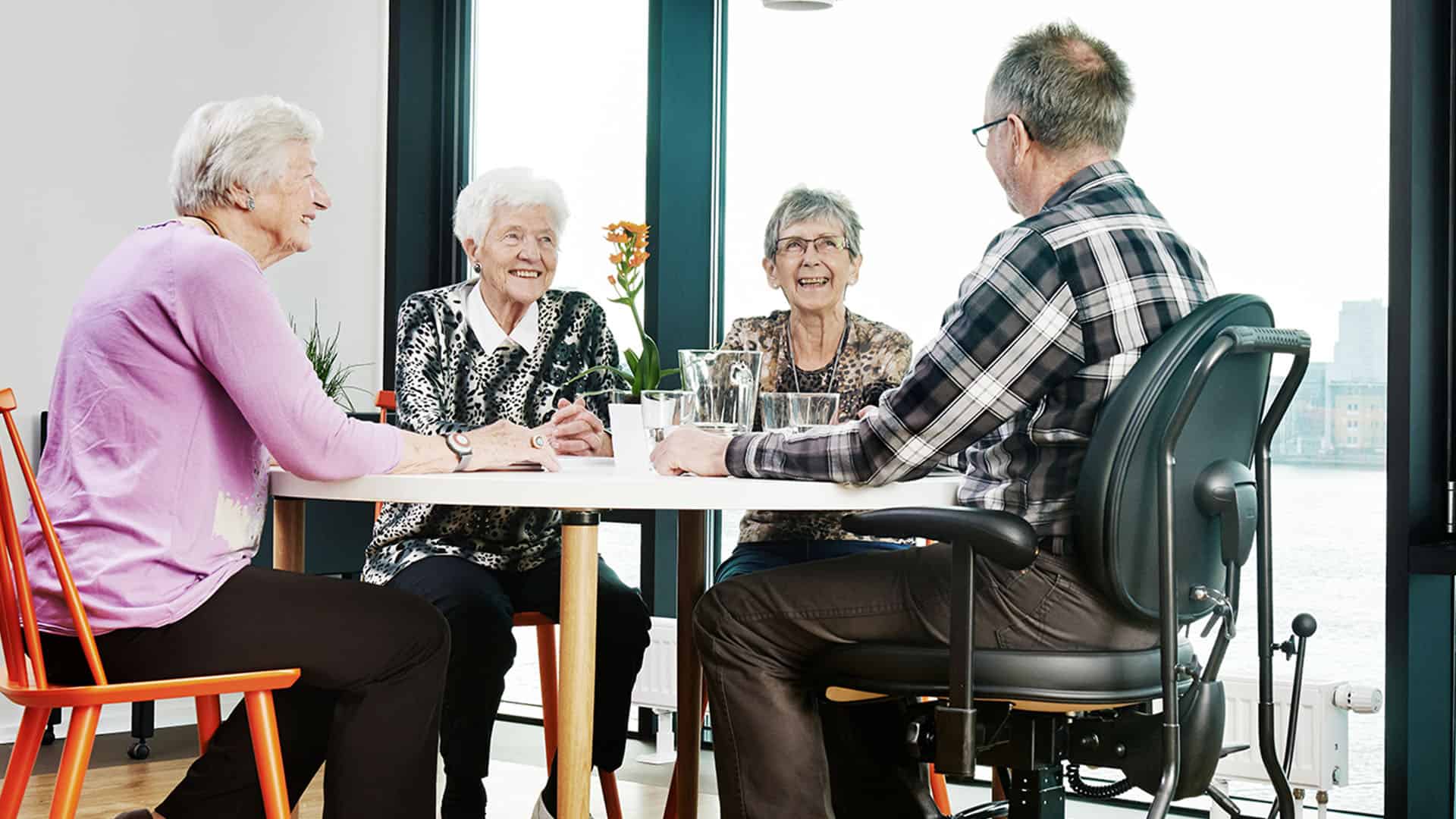
One promising development is the VELA Independence Chair—a medically approved mobility chair designed for home use. It enhances safety and freedom of movement while seated, supporting daily activities like cooking, dressing, or transferring, and reduces the burden on informal caregivers.
Contemporary smart mobility aids in 2026 now feature GPS tracking, real-time health monitoring, smartphone app integration, and clinical-grade health sensors that monitor heart rhythm, oxygen saturation, and analyze fall impacts, marking a significant shift from general fitness devices to medical-grade solutions[3].
These aids offer adaptive AI, voice controls, and greater interoperability within smart home systems, aligning with the trend toward AI-driven, user-responsive senior support[4].
Edge AI is also integrated to enable features like automatic adjustment of mobility settings and proactive risk monitoring without compromising user privacy. These developments are part of a comprehensive shift toward assistive technology that supports seniors’ desire for continued independence at home.
Building a Supportive Elderly Care Ecosystem in Atlanta
Atlanta’s commitment to fostering a supportive elderly care ecosystem is evident as it transitions towards a more comprehensive and culturally aware model. By integrating technological innovations, such as AI-powered smart wheelchairs, telehealth, remote health monitoring, and companion robots capable of offering both practical assistance and emotional support, the local care environment is increasingly adaptive and user-centered[3][6].
Augmenting aging-in-place initiatives and expanding care options that respect the city’s cultural diversity, Atlanta is poised for advancements that promise improved quality of life for its seniors. New technologies now leverage predictive health analytics and ambient safety systems, providing additional confidence for aging in place. Programs focusing on preventive health and well-being are equally crucial, ensuring that seniors remain active and engaged. These developments are supported by clinical validation and growing consumer adoption, reinforcing the importance of technology in today’s senior care landscape[7].
The integration of edge AI and clinical-grade wearable technology is further fostering personalized, preventive, and responsive care, allowing seniors to live safely while maintaining their independence.
As we anticipate changes in how elderly care is approached, Atlanta remains a beacon of innovation and support. This evolving landscape highlights the essential role of tailored solutions that respect the distinct preferences and requirements of senior residents. By prioritizing developments that address current challenges and anticipate future needs, Atlanta is not only responding to its demographic shifts but also leading the way in establishing a compassionate, efficient, and forward-thinking elderly care paradigm.
Staying Independent at Home with Support
The VELA Independence Chair represents a pivotal technology in supporting seniors aiming to maintain their independence at home. Designed to address key concerns like safety and energy preservation, this chair includes features such as a central brake for stability, electric height adjustability for ease in transfers, and smooth mobility while seated.
Recent advances in smart mobility technology also include GPS, collision avoidance via AI, real-time health metrics monitoring, and robust smartphone connectivity. Clinical-grade wearables integrated with these devices can now monitor heart health, oxygen levels, and detect falls with impact assessment, reflecting a rapid evolution in ergonomic and rehabilitation practices built around adaptability[1].
Edge AI further empowers these systems to make contextual decisions for immediate user safety without external processing, such as automatic adjustment in response to environmental cues.
This can help delay the transition to nursing home care by allowing seniors to carry out everyday activities more easily, like cooking or relaxing comfortably. The chair’s design reflects a commitment to dignity and freedom, supporting help for seniors at home. While VELA is not the sole solution, its proven effectiveness—alongside next-generation smart mobility aids, assistive robots, and predictive health monitoring—makes it a viable and practical option for Atlanta’s growing elderly population, providing a sound alternative to traditional care facilities and reducing the caregiver burden. Implementation of the latest smart technologies and personalized care approaches ensures that home-based independence will continue to be a realistic and sustainable goal for seniors across the region.
Sources:
- ButterflyMX, “Senior Living Technology Trends 2025: Artificial Intelligence and Telehealth,” 2025-07-11
- My Care Concierge, “How Technology Will Transform Senior Care in 2025,” 2025-02-24
- Cyces, “AgeTech Trends 2025: AI, Robotics & the Future of Aging,” 2025-01-01
- Everything Medical Online, “The Latest Trends in Mobility Aid Technology for 2025,” 2025-05-30
- UnitedHealthcare Community & State, “How Enabling Technology Is Transforming Home-Based Care,” 2025-08-11
- Eden Senior Health Care, “The Future of Senior Care: Trends in Aging and Health Services,” 2025-04-23
- Giansanti D., “Integrating AI and Assistive Technologies in Healthcare,” Healthcare (Basel), 2025-03-04
- World Health Organization, “Assistive Technology,” 2025