

Updated January 2026: We have updated the article to reflect the latest trends in elderly care for 2026, including AI and predictive analytics in care delivery, smart mobility and fall prevention technologies, advanced remote monitoring and wearables, integrated voice-activated smart home systems, robotic assistive devices, and the widespread adoption of telehealth in home care coordination.
Elderly Care in Asheville, NC: A Comprehensive Approach
Asheville, North Carolina is increasingly viewed as a premier retirement destination, attracting seniors with its unique blend of natural beauty and vibrant community life. As a result, there is a significant demand for elderly care services within the area, particularly as seniors over the age of 65 now make up 22.6% of Buncombe County’s population, exceeding the national average. According to Asheville Watchdog, this demographic shift is quickly evolving the landscape for “elderly care in Asheville, NC”, with organizations like the Council on Aging at the forefront of providing essential services.
Demographic Trends Shaping Elderly Care in Asheville
To meet the rising demand for senior care, it’s crucial to understand the demographics of Asheville’s aging population. According to World Population Review, the city has experienced continuous growth in its senior population. This growth necessitates enhancements in the capacity and scope of local support services. The area’s socioeconomic variables significantly affect these services, with the city reporting an average household income of $93,799 and a poverty rate of 14.64%. This information is supported by North Carolina Demographics.
Addressing the Health and Care Needs of Asheville’s Seniors
Seniors in Asheville encounter specific health issues requiring comprehensive care strategies. The North Carolina Department of Health and Human Services (NCDHHS) reports that 81% of seniors live with one or more chronic conditions. The risk of falls and the increase in Alzheimer’s cases further highlight the need for specialized services. An example of this demand is seen in local organizations like MountainCare, which have experienced a doubling of service requests in recent years. This demand underscores the critical need for chronic illness management, physical therapy, and memory care support.
Comprehensive Care Solutions for Asheville’s Elderly
To address these complex needs, Asheville offers various care solutions through entities like the Council on Aging of Buncombe County. The Council provides crucial services such as adult day care and home care agencies. More details about these offerings are available from Council on Aging of Buncombe County. These services play a pivotal role in helping seniors maintain independence while offering their caregivers essential respite. Additionally, initiatives like the Osher Lifelong Learning Institute (OLLI) at the University of North Carolina Asheville encourage active living through education and social engagement, thereby enhancing both mental and physical health.
Technological Innovations Transforming Elderly Care
Recent technological innovations are transforming elderly care in Asheville and across the country. AI and predictive analytics are now integral to proactive senior care, with applications that analyze health patterns to predict risks such as falls, medication errors, and cognitive decline, enabling earlier clinical intervention. AI systems also assist with medication reminders, hydration prompts, and conversational support, reducing social isolation.
Smart mobility aids and fall prevention technology have advanced, now including walkers with fall detection and automatic emergency calling, AI-powered wheelchairs that adapt to various terrains, and all-terrain walkers equipped with sensors. These devices integrate GPS tracking and alert caregivers or emergency services in real time if a fall or boundary violation occurs.
Remote monitoring and wearables have become essential, tracking vital signs, activity levels, and sleep patterns continuously. This enables early detection of health issues and more effective chronic disease management. Voice-activated smart home integration allows seniors to control environmental features such as lighting, temperature, and door locks, increasing safety and promoting autonomy without physical strain.
Robotic assistive devices now serve dual functions, offering both practical assistance with daily tasks and emergency detection, while also providing cognitive stimulation and reducing loneliness. Telehealth integration with home care coordination is now standard, allowing professionals to facilitate virtual appointments and monitor patients remotely, preventing complications and supporting aging in place Synchrony Home Health Care ButterflyMX My Care Concierge Leading Age AARP.
Advancements in ergonomic and inclusive design ensure devices are highly accessible and tailored for elderly users, increasing comfort and engagement. Recent policy updates and clinical guidelines have expanded support for the adoption and reimbursement of these advanced technologies. The care ecosystem continues to grow with new innovations from startups, universities, and collaboration across the sector Cyces Human Care New York BCC Research.
Enhancing Mobility and Independence for Asheville’s Seniors
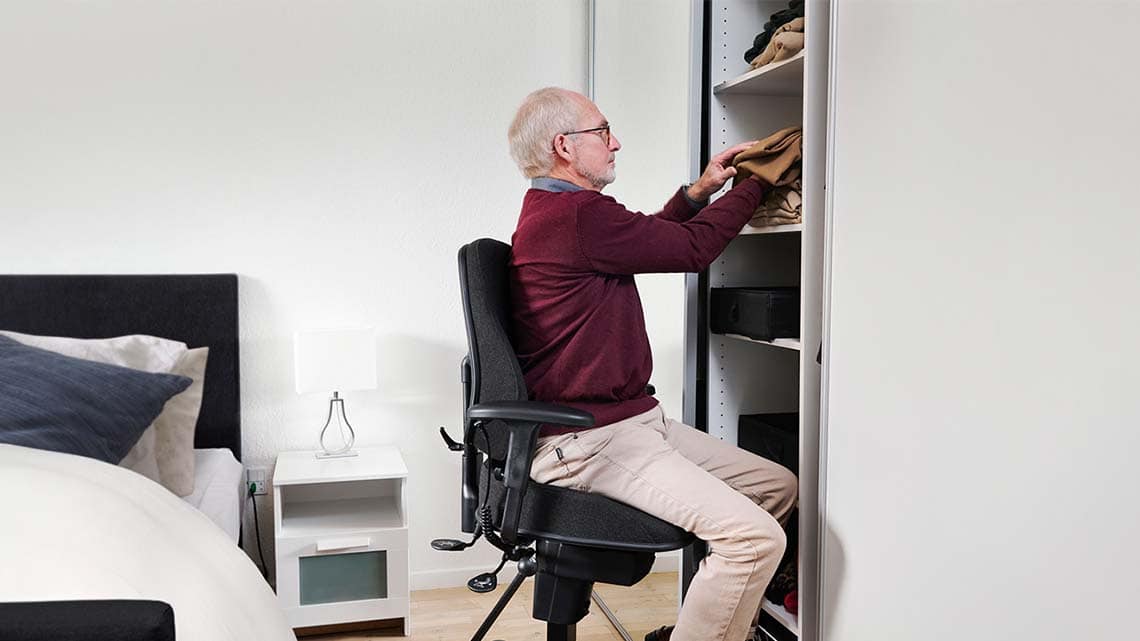
With recent advances, more seniors and their families are embracing technology-enabled solutions that allow aging adults to maintain independence at home. Solutions such as VELA chairs offer vital, medically approved support. These and other mobility aids now commonly feature integrated sensors or smart connectivity with fall detection, real-time alerts, and adaptive support features. These enhancements reduce risk, offer real-time protection, and increase peace of mind for caregivers and families. The use of these mobility solutions is now part of a larger, connected device ecosystem designed to support safe, comfortable aging in place Synchrony Home Health Care Cyces Leading Age AARP.
Supporting Aging in Place: A Practical Option
The ability to maintain independence at home continues to be a primary goal for seniors. Solutions like VELA Chairs remain central, combining ergonomic features such as a central brake, electric height adjustments, and effortless mobility with new integrated smart functions for safety monitoring. By supporting a full range of daily activities and connecting with smart home or care systems, these devices can delay or avoid the need for nursing home admission. The integration of mobility aids with comprehensive aging-in-place technology—including smart home control, wearables for health monitoring, and telehealth coordination—has an increasingly profound impact on seniors’ ability to live safely and independently at home Leading Age AARP Healthcare professional organizations (AANP).