

Updated February 2026: We have updated the article to reflect new developments in AI-powered remote monitoring, smart assistive technologies (including wearables and adaptive smart homes), expanded telehealth and hospital-at-home models as standard care, holistic rehabilitation practices, updated regulations, and the latest trends supporting aging in place and caregiver well-being according to recent 2025–2026 research.
Elderly Care in Home Services: Transforming Senior Living in 2025
As we forge ahead into 2025, the need for innovative “elderly care in home services” is more pressing than ever. With the number of Americans aged 65 and older on track to reach 71.4 million by 2029, understanding the intricacies of personalized care solutions is crucial. According to McKnight’s Home Care, there is a dramatic surge in demand for such services, largely driven by the aging baby boomer generation. Many of these individuals seek customized care in the comfort of their homes. This is particularly true in communities like Southampton, where “home care in Southampton” has become an integral part of life, providing indispensable support to senior residents.
Tailoring Home Care: Medical and Non-Medical Support
Understanding the subtleties of home care services is essential for crafting the right plan for seniors. Home care primarily encompasses two support types: medical and non-medical. Medical care involves skilled nursing for seniors with chronic illnesses, while non-medical assistance includes daily activities such as bathing and meal preparation. For instance, Mrs. Thompson, a senior in Southampton, receives both types of care, managing her diabetes with regular nurse check-ups while still cooking her favorite dishes thanks to assistance with meal preparation. This tailored approach, endorsed by the National Institute on Aging, is shown to significantly enhance quality of life while allowing for independence.
Navigating the Financial Landscape of Home Care
Paying for home care can present challenges, but understanding the financial landscape makes it manageable. Options like Medicare, Medicaid, and private insurance each offer varied coverage. Notably, new policy proposals from the Biden administration aim to expand Medicare to subsidize home modifications, telehealth, caregiver compensation, and long-term in-home care services. If enacted, these changes are expected to substantially improve the accessibility and affordability of home care, potentially reaching an additional 5.7 million seniors and reducing institutional admissions by 11% annually.[4] The family of Mr. Lopez, another Southampton resident, successfully utilized state assistance programs to afford home care without significant financial stress. A Place for Mom notes that the nationwide median cost for home care is about $33 per hour, though this can vary by state. Strategic financial planning, alongside available assistance programs, proves essential in managing the costs associated with long-term care.
Innovative Technologies Revolutionizing Elderly Care
Technology is reshaping home care in 2026, providing advanced tools that elevate independence and safety for seniors aging in place. Integrated smart home solutions—including AI-powered remote monitoring systems, voice-activated assistants, automated lighting, and smart thermostats—are now standard in supporting daily routines.[1] Wearable devices track vital signs and provide real-time fall detection, while AI monitoring offers predictive alerts and personalized care coordination, significantly reducing emergency incidents and caregiver burden.[2] These systems contribute to the growing preference for aging in place, with surveys indicating up to 75% of older adults favor remaining at home.[3]
Expansion of telehealth and “Hospital at Home” models now provide seniors with access to virtual check-ins, acute care interventions such as IV therapy and wound management, and specialist rehabilitation, allowing more complex care to occur safely at home and reducing the need for institutionalization.[4] These integrated solutions demonstrate the critical role of technology in modern elderly care—empowering individuals with disabilities or reduced mobility to live independently and confidently at home.
Enhancing Independence with VELA Mobility Solutions
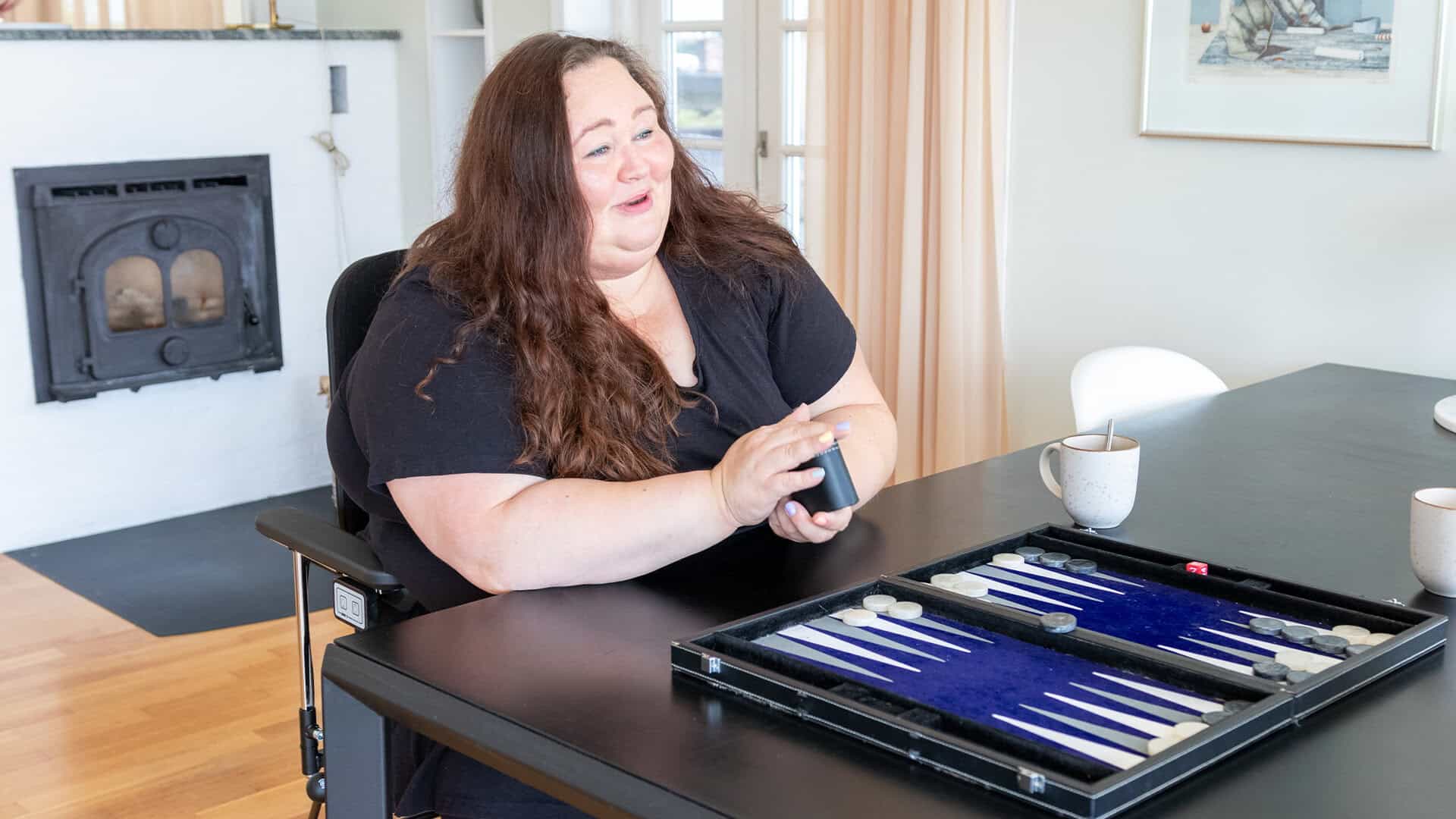
Transitioning from the challenges faced in traditional nursing homes, solutions that anchor independence become vital for older adults who prefer staying at home. VELA Mobility chairs offer a distinctive pathway toward this goal. As medically approved mobility chairs designed for home use, they provide enhanced safety, freedom of movement while seated, and support for daily activities such as cooking, dressing, or transferring—all while alleviating the burden on informal caregivers. Through stability and ergonomic design, these chairs substantially contribute to reducing fall risk, thereby supporting seniors who wish to age gracefully at home.
Holistic and Inclusive Approaches for Home-Based Senior Care
The evolution of elderly care in 2026 emphasizes holistic, hyper-personalized care plans that integrate cognitive and mental wellness alongside physical needs.[3] Therapeutic interventions, including cognitive stimulation, mindfulness practices, and music therapy, are increasingly included in home care, addressing broader aspects of well-being. Adaptive smart homes, featuring ergonomic, inclusive designs and modular layouts, provide safer, more accessible environments for seniors—particularly those living alone.[2]
Recent regulatory updates have brought about stricter medication management protocols, higher staff-to-patient ratios, and greater coverage for home-based services through Medicare and Medicaid.[4] Innovations in caregiver support—including tech-enabled respite care—help reduce burnout and ensure continuity of care at home.[5] These approaches strengthen the framework for seniors to age safely and confidently in their preferred environment.
In summary, “elderly care in home services” continues to grow in importance as America’s senior population expands, demanding more personalized care solutions. With diverse care methodologies, strategic financial planning, advanced smart technologies, holistic and adaptive supports, and unique solutions like VELA chairs, seniors can age with dignity in their homes. Housing trends for 2026 emphasize modular, inclusive, and community-integrated environments that blur the lines between home and facility care, further supporting those who aspire to age in place.[5] High-authority resources, such as the National Institute on Aging, offer invaluable guidance for families navigating the complexities of home care. As we adapt and innovate, home-based elderly care remains a cornerstone of empowering seniors to live fulfilling, independent lives in 2026 and beyond.
Supporting Aging in Place: A Practical Option
The VELA Chair offers a compelling solution for seniors desiring a home-centered lifestyle by supporting their independence. With features like a central brake, electric height adjustability, and easy maneuverability while seated, these chairs tackle common senior challenges, fostering a safer environment. Benefits of this thoughtful design mitigate risks like falls while reducing the physical demands on family caregivers. Supportive chairs for elderly care provide a clearer avenue for seniors, such as easing tasks like cooking or relaxing, ultimately delaying the transition to nursing homes. Though not the sole solution, VELA stands as an effective and practical choice, offering aging individuals the dignity and freedom they deserve at home.
References:
– Caregivers of America, Elder Care in 2026: Trends to Watch
– AllSeniors.org, Top Trends in Senior Home Health Services for Aging in Place 2026
– DosePacker, Senior Living Trends to Watch Out for in 2026
– Assisting Hands, Home Care Trends 2026: Preparing for Senior Care
– Provider Magazine, Long Term Care 2026 Trends and Outlook
– Health Dimensions Group, 2025 Top Trends in Aging Services
– AHCA/NCAL, Long Term Care 2025 Trends and Outlook
– NCHStats.com, 10 Must-Know U.S. Home Care Industry Stats for 2025
– AlignSeniorCare.com, Senior Living Trends 2025
– Heisinger Bluffs, The Future of Senior Living: Trends to Watch in 2025
– AloraHealth.com, The Home Healthcare Outlook for 2025
– MHSeniorLiving.com, Preparing for the Aging Population: What to Expect by 2026