

Updated January 2026: We have updated the article to reflect the most recent advances in AI-powered predictive health monitoring, smart mobility devices with autonomous safety features, hyper-personalized care plans, integrated telehealth systems, remote health monitoring via embedded sensors, and bathroom safety innovations. The rapid shift toward technology-driven, dignity-preserving support and adaptive care scheduling is now documented, with additional authoritative sources provided.
Updated September 2025: We have updated the article to include recent advances in smart assistive technologies such as AI-powered mobility devices, integrated remote health monitoring, virtual healthcare, and increasingly inclusive ergonomic designs. The latest research on supportive policy trends and telemedicine adoption for elderly care is also reflected, providing a comprehensive view of current best practices and technology adoption.
Elderly Care Near Me: Navigating Local Options for Your Loved Ones
Searching for “elderly care near me” signifies a crucial step in ensuring your loved ones receive the best possible support as they age. It highlights the importance of understanding local care options, assessing needs, and preparing for long-term care demands. According to Rosewood Nursing, approximately 70% of older adults will require some form of long-term care during their retirement years. This statistic underscores the relevance of early planning in the journey to secure the appropriate care solutions for our aging population.
Tailoring elderly care to local demands
Location-specific elderly care is critical as it relates closely to the demographics and unique aspects of each area. When considering care options, it’s essential to understand the demographic variables that influence care demands. According to SeniorLiving.org, 50% of assisted living residents are 85 years or older, while about 70% are women. This highlights a need for facilities specializing in conditions more prevalent in older age, such as dementia, which affects 42% of residents.
For instance, a family in a region with a higher-than-average senior population may find more extensive and specialized care options, such as memory care units or facilities with higher staffing ratios. The Johnson family faced this when navigating available facilities after their mother was diagnosed with Alzheimer’s. They illustrate the challenges of balancing proximity to family with finding suitable care, often leading them to prioritize locations offering specialized memory care services.
Home care services: supporting seniors at home
Many seniors prefer aging in place, which has led to a continual rise in home care services alongside state-of-the-art assistive technologies. These services now increasingly incorporate smart mobility aids and health monitoring technologies, such as wearable fall detection devices and sensors that track vital signs in real time Everything Medical Online. In 2026, standard home care solutions further include AI-driven predictive health monitoring tools, smart mobility devices with real-time obstacle detection, and bathroom safety equipment with pressure and lighting sensors that send alerts to care teams automatically. Integrated telehealth platforms now connect wearable devices, medication management, and emergency response, creating fully coordinated digital support at home AllSeniors.org CES 2026 Analysis (K4Connect).
Enhanced home care now combines personal assistance, companionship, and supports independence through innovations that alert caregivers to potential health risks or emergencies via connected platforms. Premier Home Care Inc. highlights the growing appeal of home-based solutions, where caregivers provide everything from daily personal care to specific medical attention. Voice-activated and hands-free controls now enable seniors with limited dexterity to access lighting, security, and mobility equipment independently.
Consider the case of the Martin family, who arranged for a caregiver to assist their father at home. This arrangement enabled the family to remain deeply involved in care planning while ensuring their father had consistent support and companionship. Today, families can further benefit from telemedicine services, enabling remote consultations with healthcare professionals, and from intelligent mobility aids with features like GPS tracking and voice control for improved safety and peace of mind ButterflyMX. Sensors built into standard medical equipment now allow for continuous remote health monitoring, streaming alerts to healthcare teams and family members in real time. Smart bathroom innovations, such as grab bars with embedded pressure sensors and illuminated flooring, further enhance fall prevention while providing instant notifications if assistance is needed. Such examples demonstrate the efficacy of home-based care in maintaining quality of life and autonomy without necessitating a move to a residential facility.
Choosing the right residential facility for your loved ones
Opting for residential care demands careful evaluation of different facilities and their appropriateness for varied needs. Assisted living, independent living, and skilled nursing facilities each have unique services. According to Haven Senior Investments, approximately 60% of assisted living residents eventually require transfer to skilled nursing homes within two years, highlighting the need to plan for potential transitions.
Take Mrs. Daniels, who initially moved into an assisted living community due to mobility issues. Over time, as her care needs increased, her family facilitated her transition to a skilled nursing facility. Her story stresses the importance of selecting flexible care options that accommodate evolving health needs and ensuring family involvement at each stage. Care facilities in 2026 increasingly adopt flexible, adaptive scheduling based on AI insights, allowing personalized care plans to adjust dynamically rather than relying on rigid patterns. Administrative tasks are now largely automated, enabling caregivers to focus on direct, compassionate interaction.
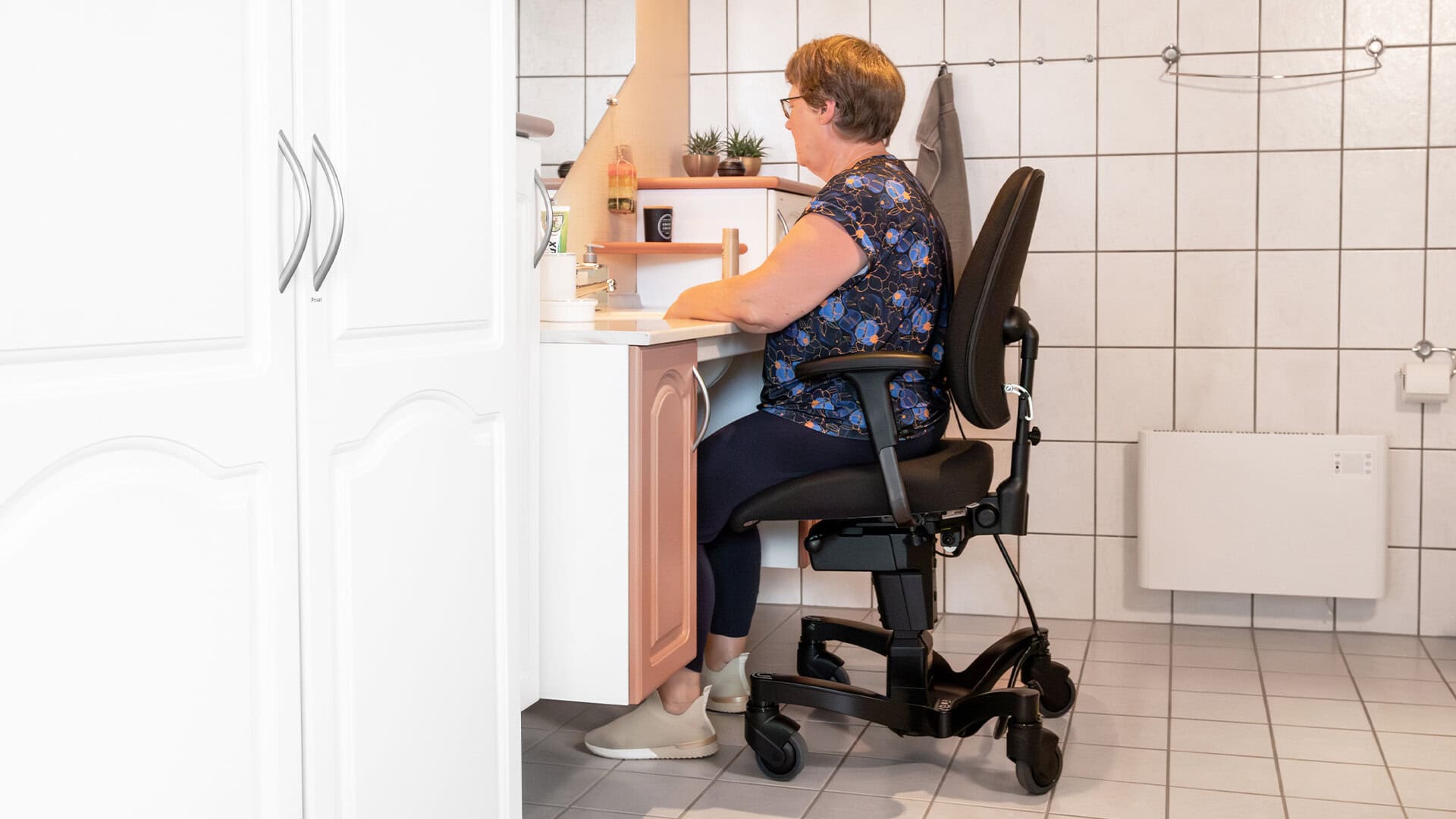
As the need for nursing home care intensifies, the challenge is to ensure safety and mobility for your loved ones while preserving their independence. Recent innovations include smart mobility aids, such as AI-powered wheelchairs with features like GPS, collision avoidance, and voice control, designed to promote autonomy and reduce dependency Everything Medical Online. VELA is one such option, featuring a medically approved mobility chair designed for home use. With features that enhance safety, provide freedom of movement while seated, and support daily activities such as cooking, dressing, or transferring, VELA chairs effectively reduce the caregiving load, allowing seniors to remain independent in their cherished home environments. New AI-powered sensors and real-time obstacle detection technology have transformed mobility aids into proactive solutions that anticipate hazards and adjust automatically for maximum safety and independence.
Navigating the journey of elderly care with confidence
Navigating the myriad options for “elderly care near me” requires a proactive and informed approach. Evaluating both current and potential future health needs, understanding local demographic influences, and considering Assistive Mobility Solutions are crucial steps in this journey.
Elderly care solutions now offer greater personalization through data-driven and AI-enabled monitoring, offering adaptive care plans unique to each individual. Telehealth integration is now standard in medical equipment, with platforms linking remote health monitoring devices, medication reminders, and instant emergency contact systems. AI handles much of the monitoring and administrative information, so caregivers can dedicate more time to meaningful engagement with residents and families. Telemedicine and virtual healthcare have become standard, supporting accessibility and reducing travel burdens for seniors with mobility issues Cyces. Engaging with diverse resources—including digital health platforms, local advisors, and support organizations—helps tailor care plans that meet your loved ones’ evolving needs. With a projected increase of 775,000 new assisted living units needed by 2030 according to PPIC, early preparation, flexibility, and understanding have become ever more vital for quality care access.
Ultimately, making informed decisions about elderly care involves not just selecting the right setting but fostering an environment that prioritizes dignity, comfort, innovative support technologies, and comprehensive care for our loved ones in their golden years. Ongoing policy developments increasingly support digital solutions and recognize the challenges faced by caregivers, contributing to better integration of technology-driven supports AgeInPlaceTech.
Reducing caregiver burden through smart seating
Mobility solutions like VELA chairs offer significant benefits for people aiming to maintain independence at home. Recent advances in ergonomic, inclusive product design help ensure that mobility aids effectively serve a wider range of needs, including those with cognitive and physical impairments MyCare Concierge. Designed to enhance safety and freedom of movement, VELA chairs come equipped with features that address common challenges faced by seniors. The central brake feature provides safety and stability, while the electric height adjustability offers ease in transfers and reaching tasks. Additionally, the ability to move smoothly while seated helps seniors save energy during daily activities, reducing reliance on caregivers. By supporting everyday life tasks such as cooking, cleaning, and relaxing—and now offering more user-friendly and adaptive controls—VELA chairs can significantly delay the need for nursing home care, promoting dignity and freedom for seniors. Developments in AI-powered fall prevention, adaptive seat controls, and pressure-sensitive safety monitoring further expand the role of smart seating as part of a holistic, dignity-preserving care model. Although not the only solution, VELA represents a proven and practical option for those seeking to support aging in place with Preventing Falls at Home.
Sources
- Heisinger Bluffs. (2025). The Future of Senior Living: Trends to Watch in 2025.
- ButterflyMX. (2025). Senior Living Technology Trends 2025: Shaping the Future of Care.
- MyCare Concierge. (2025). How Technology will Transform Senior Care in 2025.
- Everything Medical Online. (2025). The Latest Trends in Mobility Aid Technology for 2025.
- AgeInPlaceTech. (2025). Market Overview 2025 Technology for Aging.
- Cyces. (2025). AgeTech Trends 2025: AI, Robotics & the Future of Aging.
- Rosewood Nursing. Elderly Care Statistics.
- SeniorLiving.org. Care Statistics.
- Premier Home Care Inc. Home Care Statistics.
- Haven Senior Investments. Assisted Living Statistics.
- PPIC. Senior Population Planning.
- UnitedHealthcare Community & State. (2025). Enabling Technology in Home-Based Care.
- iHealthcareAnalyst.com – Geriatric Assistive Devices Market Trends (2025).
- PubMed Central – Integrating AI and Assistive Technologies in Healthcare (2025).
- AllSeniors.org. (2026). Comprehensive 2026 DME Trends Report Covering AI Integration, Smart Bathroom Safety, Voice Controls, and IoT Compatibility.
- CES 2026 Analysis (K4Connect). (2026). Emerging Technologies Including Predictive Health Monitoring, Smart Toilet Analysis, Edge AI for Dignity-Preserving Care, and Personalized Fall Detection.
- Assisting Hands. (2026). Home Care Operational Trends Including Voice Assistants, Wearable Vital Sign Tracking, Telehealth Normalization, and Specialized Dementia/Parkinson’s Care Training.
- LeadingAge. (2026). Industry Analysis of In-Home Care Preferences, IoT Device Proliferation, Usability Standards for Seniors, and Accessibility Requirements.
- American Association of Nurse Practitioners (AANP). (2026). Clinical Perspective on Remote Monitoring Mainstreaming, Wearable Adoption, AI’s Role in Reducing Administrative Burden, and Preventive Services Emphasis.
- Trust Home Care. (2026). Evidence-Based Overview of AI Behavioral Analysis, Remote Patient Monitoring, Medication Reinforcement, and Proactive Intervention Models.