

Updated January 2026: We have updated the article to reflect current 2026 elderly care resume trends. New insights highlight the importance of technology integration skills—including telehealth, remote monitoring, and electronic health record management—plus the value of specialized certifications (such as CNA, dementia care, fall prevention) and quantifiable achievements. Information on adapting resumes for in-home, aging-in-place roles and showcasing adaptability in tech-enabled care is now included to match evolving employer priorities.
Crafting an Effective Elderly Care Resume
In today’s rapidly growing caregiving job market, crafting a tailored “elderly care resume” is critical to standing out. According to Bureau of Labor Statistics’ Occupational Outlook Handbook, the demand for home health aides and personal care aides is projected to grow by 34% from 2019 to 2029, significantly faster than the average for all occupations. Understanding how to effectively communicate your experience and skills on your resume can be the difference between getting an interview and being overlooked.
Creating a Compelling Professional Summary for Your Elderly Care Resume
A strong professional summary is your first chance to impress potential employers. This brief statement should encapsulate your experience, skills, and career goals in elderly care. An effective summary might read: “Experienced Elderly Care Provider with 8+ years in senior assistance who has developed tailored, award-winning care plans.” This not only highlights your experience but also showcases key skills and certifications, making your resume immediately appealing. As demonstrated by Jane Doe, a caregiver who, with a well-crafted summary, was able to secure several interviews within weeks of applying Enhancv.
Highlighting Your Elderly Care Experience: A Step-by-Step Guide
When detailing your experience, it’s essential to use a structured approach to clearly communicate your responsibilities and achievements. An effective format includes:
- Position Title
- Employer, Location
- Employment Dates
- Use bullet points to describe key responsibilities.
- Provide specific achievements with quantifiable results, such as “Managed daily care for a group of 5 seniors, improving their quality of life through personalized care plans.”
This approach ensures that employers can easily see how your past experiences make you an ideal candidate for the role they are looking to fill Regency HCS. For instance, John Smith, an elderly care provider at Sunshine Care Homes, implemented a new exercise program that reduced fall incidents by 20% over six months, illustrating both dedication and effective problem-solving skills.
Key Skills Every Elderly Caregiver Should Highlight
Both hard and soft skills are crucial in elderly care. Hard skills might include medication management, vital signs monitoring, and emergency response. Meanwhile, soft skills like empathy, patience, and problem-solving abilities are equally important. One example of skill application is a caregiver who managed medication schedules for 10 residents, ensuring compliance, which resulted in a remarkable reduction of hospitalization rates by 25% over the year JobHero.
- Technology literacy and assistive technology use: Employers increasingly seek caregivers who are adept with telehealth platforms, electronic health records, smart mobility aids, and remote monitoring systems. Experience with AI-driven wheelchairs, wearable safety tech, or digital health tools should be highlighted to demonstrate readiness for modern in-home care demands WHO 2025.
- Remote rehabilitation and digital therapeutics: Demonstrate your familiarity with teletherapy platforms and home-based rehab tools to reflect the latest trends and expanded home care opportunities for seniors.
- Updated certifications and regulatory knowledge: Highlight specialized certifications such as Certified Nursing Assistant (CNA), dementia care, palliative care, fall prevention, and any recent training on technology-enabled care and privacy regulations. Employers prioritize up-to-date credentials as the job market grows more competitive.
- Quantifiable achievements: Use statistics, where possible, such as “Achieved 20% reduction in falls through proactive mobility support” or “Streamlined medication management for 15 seniors using digital tools, reducing errors by 30%,” to offer concrete evidence of your impact.
- Adaptability to new technologies and in-home care settings: Demonstrate eagerness and ability to learn and implement new tools for aging-in-place roles, including smart seating, remote monitoring, and flexible scheduling to meet client and family needs.
Enhancing Elderly Care with the Right Tools and Technology
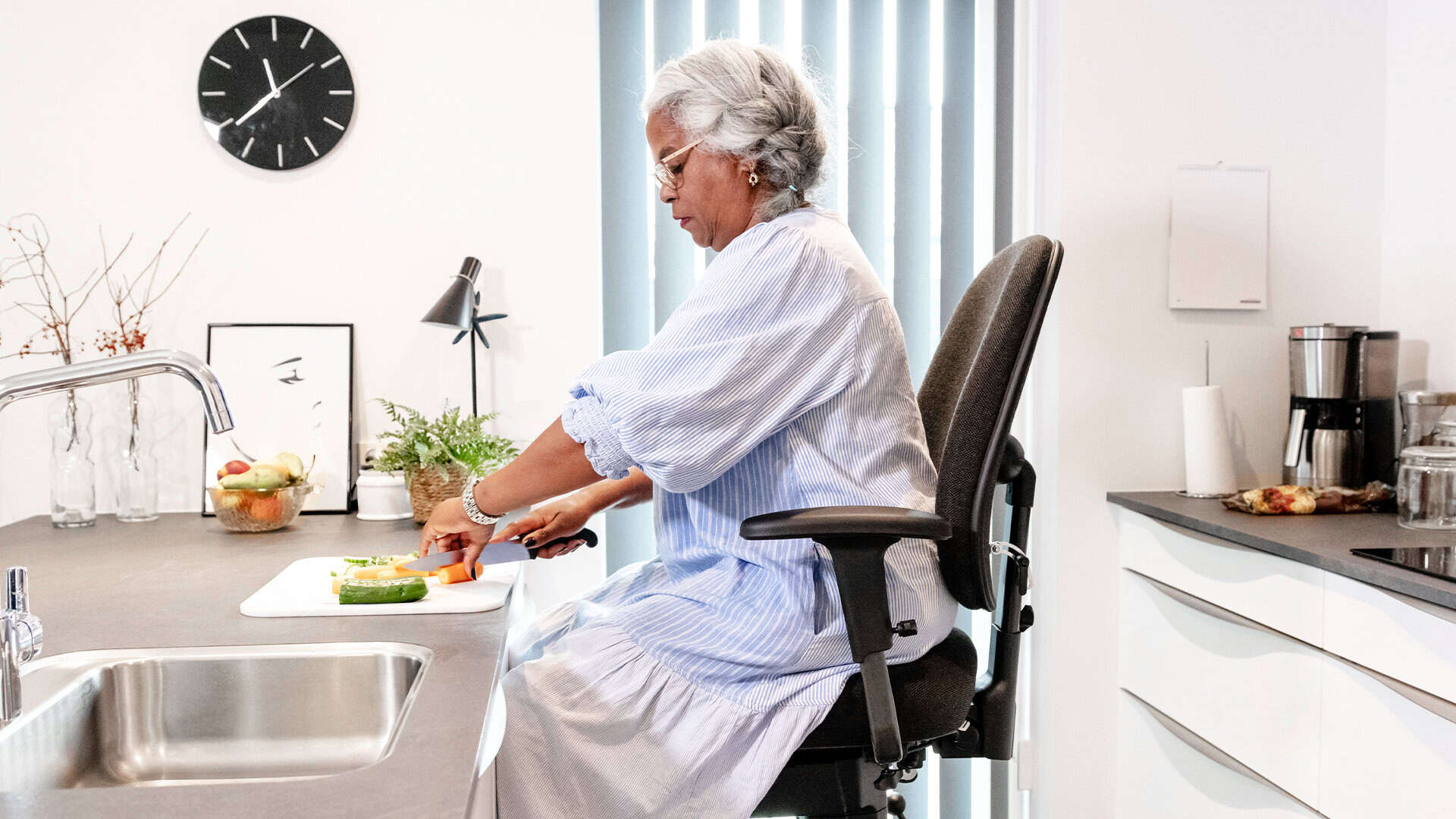
Transitioning from the challenges nursing homes face with fall risk and limited personal mobility, innovative solutions are essential for supporting older adults in staying independent at home. The VELA Independence Chair is a medically approved mobility solution designed specifically for home use, providing enhanced safety and freedom of movement. This chair supports daily activities such as cooking, dressing, or transferring, all while significantly reducing the physical strain on informal caregivers. By integrating ergonomic features and adjustable functionalities, such as an electric lift and a central brake system, the VELA chair ensures that users can maintain autonomy and dignity in their own homes.
With the rapid adoption of AI-driven assistive devices and the increased importance of interoperable, user-friendly rehab equipment, caregivers equipped with knowledge of these technologies and tools position themselves as valuable assets for employers. Demonstrating familiarity with emerging trends, including real-time health monitoring through connected devices and data privacy best practices, further enhances your professional profile.IEEE Transactions on Biomedical Engineering 2025 EU Commission 2025
In conclusion, crafting a well-organized elderly care resume is vital for standing out in a competitive job market. Emphasizing relevant skills, experiences, and tools like VELA chairs can significantly enhance your appeal to potential employers. As the demand for skilled caregivers continues to grow, ensuring your resume highlights your abilities and knowledge will open doors to rewarding career opportunities in this vital field.
Supporting Aging in Place: A Practical Option
For many seniors, the ability to remain at home represents dignity and freedom, qualities that can be significantly bolstered through practical solutions like the VELA Independence Chair. With features focused on safety and ease, such as a central brake and electric height adjustability, these chairs play a crucial role in daily life. Users can comfortably pivot while seated to handle tasks like cooking or cleaning, minimizing energy expenditure and reducing fall risks. Recent guidelines emphasize integrating smart seating, remote rehabilitation technologies, and home-friendly mobility aids to further support aging in place WHO 2025. Such adaptations may delay the necessity for nursing home care, highlighting the chair’s value in promoting independence. While VELA is not the sole solution, it exemplifies how smart seating can reduce caregiver burdens and enhance quality of life for older adults at home. For more insights on caring for the elderly with effective seating solutions, these ergonomic designs offer a promising path forward.