

Updated September 2025: We have updated the article with new findings on technological integration, sustainability, regulatory compliance, and user-centered advancements in elderly care transportation. This includes updates on assistive technology trends, the move toward electric and sustainable vehicles, recent policy changes impacting funding and privacy, and enhanced service quality for non-emergency medical transport.
Empowering Senior Mobility Through Advanced Transportation Solutions
As the global population ages, the need for effective elderly care transportation becomes increasingly vital. This sector is anticipated to expand to $13.87 billion by 2030, serving a crucial role in empowering seniors, maintaining their independence, and ensuring access to essential medical and social services. In the U.S., nearly 4 million Americans are reported to miss medical appointments annually due to transportation barriers, according to Nemtrepreneur. This underscores the urgency for robust elderly transportation solutions.
Understanding Elderly Care Transportation: Types, Challenges, and Solutions
Elderly care transportation services range from non-emergency medical transportation (NEMT) to senior mobility services and include specialized options for individuals with disabilities. However, seniors face challenges such as mobility impairments, economic constraints, and geographical isolation. According to GlobeNewswire, these challenges create a pressing need for a variety of transportation services. Take, for instance, a rural senior who frequently misses medical appointments due to limited transportation options—a common scenario that stresses enhanced access to specialized vehicles.
Key Demographics: Who Needs Elderly Transportation Services?
Primarily, the demand for elderly transportation services originates from individuals aged 65 and older, focusing on those over 75, often facing conditions like arthritis, dementia, or cardiovascular diseases that impair mobility. The CDC estimates that over 14 million U.S. seniors experience falls annually, which makes reliable transportation solutions even more critical. A practical example is Mr. Jackson, a retired teacher with arthritis, who benefits immensely from a wheelchair-accessible service—illustrating the transformative impact transportation can have.
How to Choose a Reliable Elderly Transportation Provider
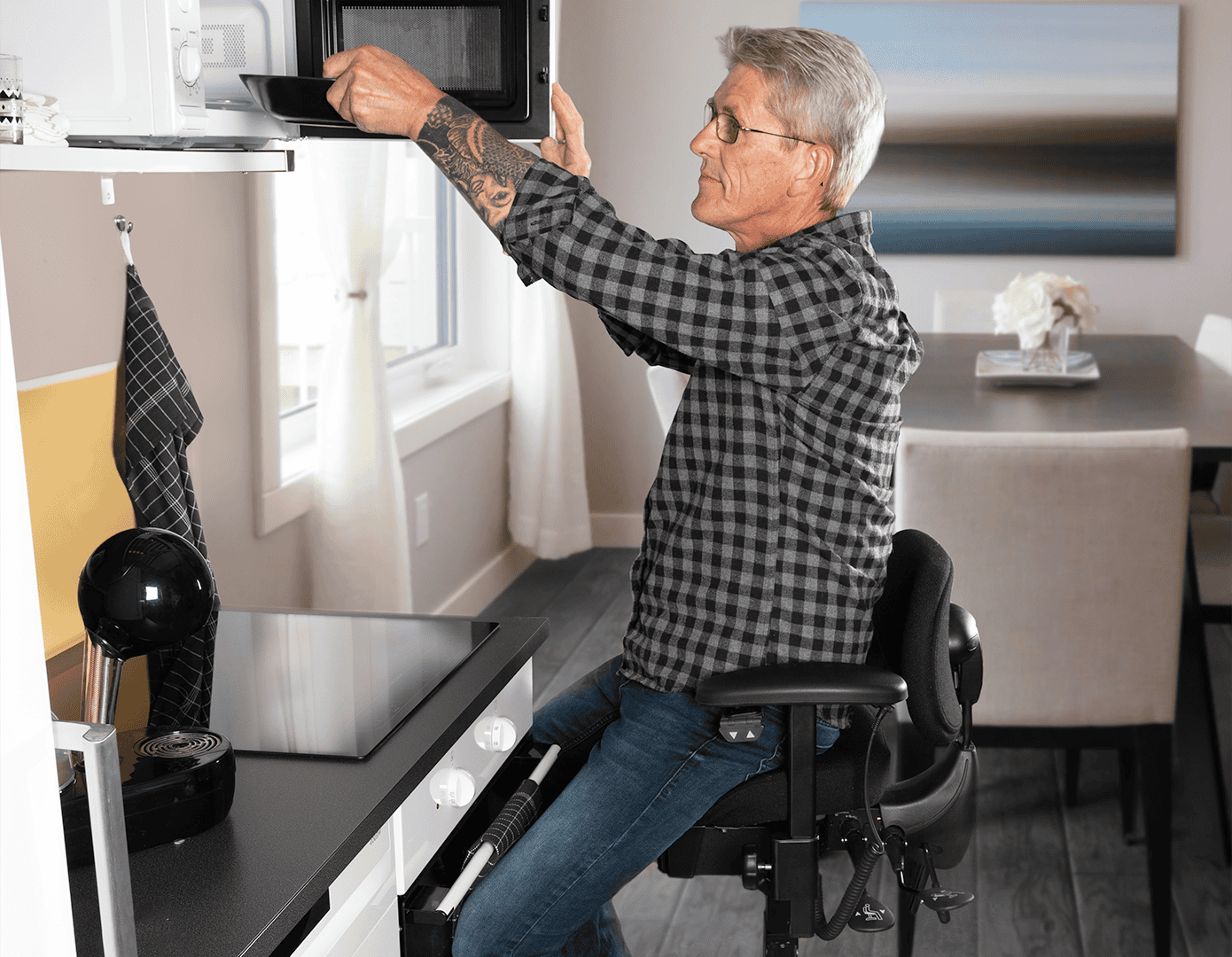
Selecting a trustworthy provider involves evaluating safety standards and driver qualifications. Many families, like the Parkers, prioritize companies with trained drivers and well-maintained, accessible vehicles. Transitioning smoothly from provider options, it’s essential to consider how daily living aids such as the VELA Independence Chair can help seniors remain independent at home. While nursing homes provide crucial support, solutions like VELA cater to older adults by offering medically approved mobility assistance that enhances safety and supports freedom of movement while seated. The chair aids in daily activities such as cooking, dressing, and transferring, ultimately reducing strain on informal caregivers.
Technology plays a pivotal role in the decision-making process, enhancing efficiency and safety through innovations such as GPS tracking and user-friendly apps. According to Nemtrepreneur, these advancements streamline services while ensuring compliance with state and federal regulations, much like those outlined by local health departments. The sector is also increasingly adopting sustainability practices, such as transitioning to ADA-compliant electric and hybrid vehicles, reducing emissions and supporting eco-friendly operations.[2]
Safety Standards, Technology Advances, and Regulatory Compliance
Technological advancements have revolutionized elderly transportation, notably through scheduling apps, GPS and fleet management software, and new safety enhancements. Providers now utilize ADA-compliant electric vehicles and advanced hygiene protocols to ensure safe, comfortable rides for seniors. For example, Mrs. Lewis, a senior community resident, found her transportation experience improved with a provider using advanced scheduling software, enabling seamless and timely medical appointments. This case highlights regulatory compliance’s crucial role, including adherence to safety protocols, privacy regulations such as HIPAA, and vehicle accessibility—minimizing risks and enhancing senior passenger comfort.[2] [3]
Empowering Senior Mobility Through Advanced Solutions
In conclusion, elderly care transportation is essential in empowering seniors by preserving their independence and health through enhanced access to vital services. With the integration of innovative technology—such as smart home sensors, wearable monitors, and AI-enabled preventive health tracking devices—and adherence to stringent safety standards, the sector is well-equipped to meet the expanding needs of the aging population.[4] As global demographics evolve, prioritizing transportation solutions that are inclusive, environmentally sustainable, and user-focused remains critical to ensuring seniors thrive with dignity and ease.
Supporting Aging in Place: A Practical Option
Maintaining independence at home is a priority for many seniors, and solutions like the VELA Independence Chair are a practical choice to enhance life quality. The chair is designed to support everyday activities such as cooking, cleaning, and relaxing, thanks to features like a central brake for stability and electric height adjustability. These attributes not only assist with safe transfers and movements but also conserve energy, which is pivotal in delaying the need for a nursing home. By facilitating easier day-to-day interactions, the chair promotes a lifestyle filled with dignity, freedom, and safety. Although VELA is just one option among many, its thoughtfully engineered design provides tangible benefits that aid aging individuals in remaining comfortably in their own homes. For more insights, explore Mobility Solutions for Seniors and Senior Mobility Aids.
Recent Policy and Market Trends
Recent regulatory updates have intensified compliance requirements with HIPAA, ADA standards, and evolving Medicaid NEMT guidelines. Health policy changes are also driving expansion of Medicare for in-home care, increasing funding for home adaptations, transportation, and telehealth access.[6] The aging population and rise in chronic conditions continue to drive strong demand for non-emergency medical transportation, with providers emphasizing sanitized, user-adapted vehicles and trained, safety-conscious drivers focused on enhancing patient comfort.[1] [3]
Technology and Aging in Place
New innovations, including integration with smart home systems and remote health monitoring, are supporting seniors to remain independent and safe at home. Providers are increasingly leveraging these technologies not only within transportation services but as part of comprehensive solutions coordinated with healthcare and family caregivers.[5]
Sources
- Nemtrepreneur, 2025, “Non-Emergency Medical Transportation Industry Stats and Data Report”
- Skymed Transit, 2025, “The Future of Non-Emergency Medical Transportation”
- Spedsta, 2025, “Is Starting a Senior Transportation Business Profitable in 2025?”
- Definitive Healthcare, Sep 2, 2025, “Aging-in-Place Driving Innovation in Tech and Healthcare”
- Heisinger Bluffs, 2025, “The Future of Senior Living: Trends to Watch”
- NCHStats, 2025, “10 Must-Know U.S. Home Care Industry Stats”