

Updated January 2026: We have updated the article with the latest projections for adult day care costs for 2026, state-by-state cost variations, and recent trends in overall elderly day care pricing across the United States through 2026.
Understanding elderly day care costs: a comprehensive guide
For families planning care for their elderly loved ones, understanding the costs associated with elderly day care is crucial. Elderly day care provides necessary support and socialization for seniors, but the expenses can vary widely. According to SeniorLiving.org, the median daily cost in the U.S. through 2026 is projected to be around $100–$103. However, these costs are influenced by factors such as location and the range of services offered, and current trends indicate ongoing increases driven by labor shortages, inflation, and rising demand as the population ages. Projections suggest that daily rates could reach $150 or more by 2030 (Seniorsite.org, CareScout & Genworth).
Comprehensive services offered in elderly day care
Elderly day care facilities provide a mix of services tailored to both social and medical needs. According to Merck Manuals, core services typically include meals, transportation, and various social and recreational programs. General social care facilitates social interactions and provides meals, whereas medical health care involves medication management and therapy for conditions like dementia.
Recent innovations are transforming these services. Facilities are broadly integrating advanced assistive technologies, including smart wearable devices for seniors with reduced mobility or disabilities. These wearables offer real-time health monitoring, fall detection, and AI-driven personalized rehabilitation support. Rehabilitation practices are increasingly incorporating telehealth and AI-powered systems to deliver remote, individualized therapy. Virtual reality (VR) and augmented reality (AR) applications continue to be utilized, while a strong focus on inclusive product design ensures that new devices are adaptable and ergonomically optimized to reduce strain and improve usability, with special attention to adjustability for users with dementia or sensory impairments (McKnight’s Senior Living, Seniorsite.org, Genworth).
A real-life example from GreenFields Day Care in Austin, Texas, showcases seniors participating in art therapy sessions, followed by nutritious communal meals—experiences that enhance emotional well-being. This real-world touch highlights the expertise of facility staff in creating supportive environments.
Geographic variations in elderly day care costs
Costs for elderly day care are not uniform across the United States and can differ significantly. For example, in Texas, the daily cost aligns with the national median at around $103, whereas Vermont offers one of the most affordable options with a monthly rate of approximately $575, according to Seniorsite.org. Meanwhile, states like Arizona and parts of California report day care costs of several thousand dollars monthly, with large regional disparities becoming even more pronounced through 2026 (Genworth, CareScout & Genworth). Higher costs in states like California reflect factors such as facility location, service level, local cost of living, and the inclusion of technology-enhanced care. While technology-rich day care centers may have higher initial costs, they can yield improved long-term outcomes and reduce the overall care burden.
Financing options for elderly day care
Navigating the financial aspect is critical for families. Options include Medicare, Medicaid, private insurance, and out-of-pocket payments, as discussed by GoodRx. Understanding socio-economic factors is essential, as they can influence these financial avenues. For example, the Martinez family in Chicago combined Medicare with private insurance to facilitate their loved one’s participation in a comprehensive day care that included physical therapy sessions.
As of 2026, trends continue to show rising costs and greater disparities in elderly day care pricing across different regions. Compared to alternative care types, such as assisted living, nursing homes, and in-home health services, adult day care remains among the most affordable care options for seniors in the United States (SeniorLiving.org, CareScout & Genworth, Seniorsite.org). National surveys confirm that while rates remain lower than facility-based care, families should plan for further price increases through 2026 and beyond.
Enhancing independence with mobility solutions
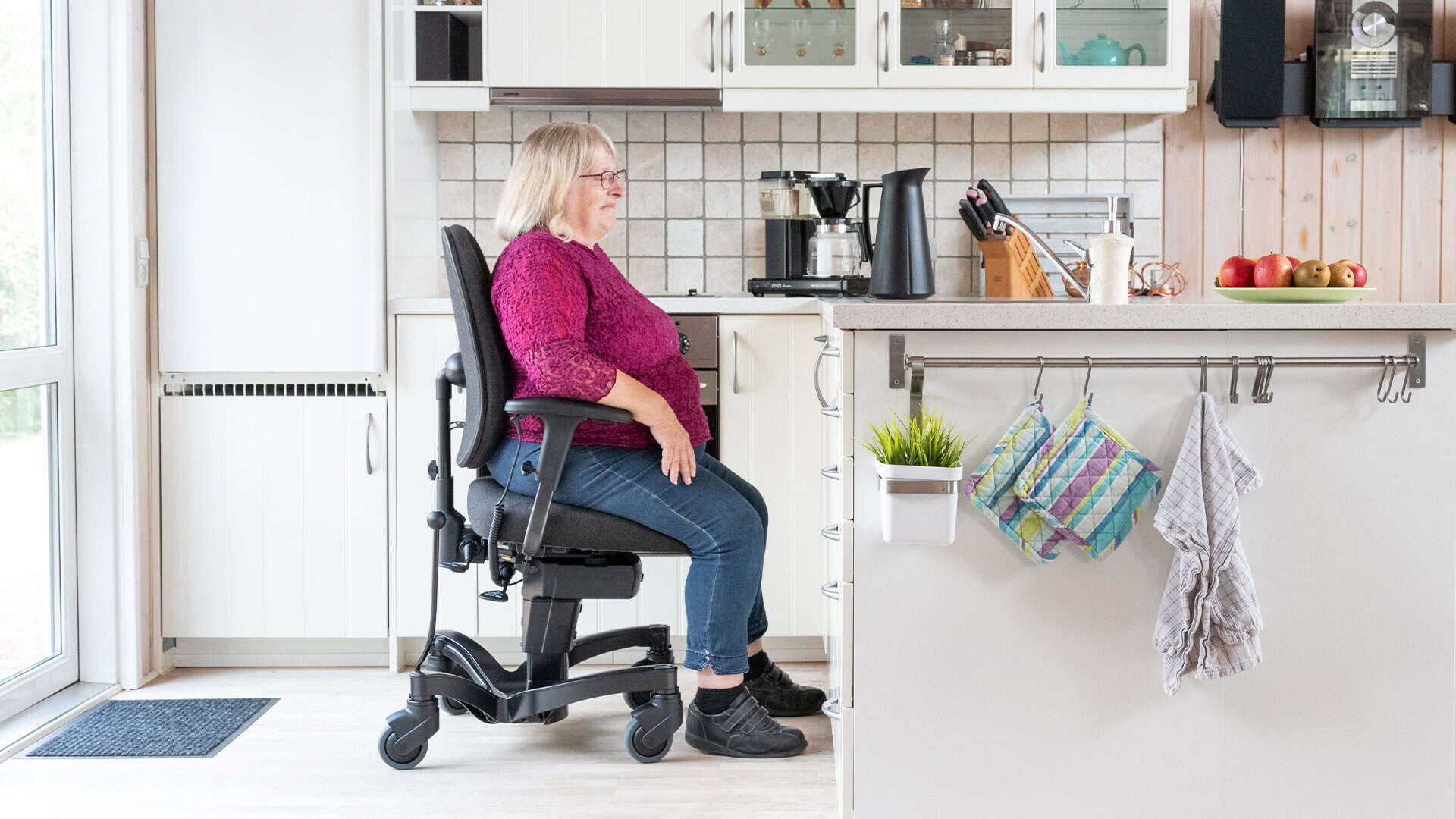
While nursing homes provide a more comprehensive care environment for seniors, they often require a significant lifestyle adjustment. Many families prefer to explore options that allow their loved ones to stay at home, promoting independence and comfort. This makes mobility solutions like VELA chairs an attractive option. VELA is a medically approved mobility chair designed for use at home. It provides enhanced safety, freedom of movement while seated, and support for daily activities like cooking, dressing, or transferring—all while reducing the load on informal caregivers.
In recent years, smart mobility aids and technology-assisted devices—including those with advanced sensor systems and telehealth connectivity—have gained traction in elderly care. These devices are supported by greater user satisfaction and growing acceptance among both seniors and caregivers, who favor their customizability and ease of integration with traditional rehabilitation therapies. Experts, including professionals in geriatrics and occupational therapy, increasingly endorse a combination of technology integration and person-centered care plans to optimize function. Staff training for these advanced tools is now recommended to ensure effective and safe use. Hybrid care models are common, blending in-person supervision with digital assistive technology for greater flexibility (McKnight’s Senior Living, CareScout & Genworth, Seniorsite.org). User feedback trends indicate increasing preference for technology-enhanced care solutions, especially those tailored to individual needs.
A scenario featuring Mr. Johnson from Dallas shows how he uses a VELA chair to assist with everyday home activities, reducing the frequency of his external day care visits. This practical illustration emphasizes the importance of tailored solutions in fostering independence for seniors.
In conclusion, understanding elderly day care costs involves evaluating not just raw numbers but also services provided and geographic variations in cost. According to authoritative sources such as SeniorLiving.org and Merck Manuals, families should weigh the benefits of day care services alongside home mobility solutions like VELA chairs to make informed care decisions. Considering recent advances in assistive technology, ergonomic and inclusive design, updated clinical guidelines, and regulatory shifts toward earlier and more accessible intervention, families can balance these options to significantly enhance life quality for seniors, ensuring both safety and well-being (CareScout & Genworth, Seniorsite.org).
CareScout & Genworth 2024-2025 Cost of Care Survey
McKnight’s Senior Living: Seven Trends in Senior Living That Will Define 2025 and Beyond
KPMG International: The care crisis: Eldercare collides with childcare (February 2025)
SeniorSite.org: Senior Day Care Cost Guide: Real Pricing Data for 2025
InvestigateSC: Will Senior Care Costs Rise in 2025?
Genworth Cost of Care Survey 2024-2025
SeniorLiving.org – Adult Day Care Costs and Trends 2026