

Updated January 2026: We have updated the article to reflect the 2026 expansions in California’s In-Home Supportive Services (IHSS) and Medi-Cal eligibility, including increased income and asset limits, enhanced caregiver support, new regulations for virtual assessments, and expanded access to adult day care and home modification services. These updates emphasize integrated care, telehealth, and home safety enhancements to support mobility-impaired seniors and reduce reliance on institutional care.
Navigating elderly day care requirements for quality care
As more families explore adult day care options for their aging loved ones, understanding the intricate requirements becomes crucial. These facilities offer not just respite for caregivers but a community space promoting engagement and well-being through regulated care. “Elderly day care requirements” encompass licensing mandates, participant rights, and safety regulations, crucial to ensuring peace of mind and quality experiences for participants.
Understanding elderly day care licensing and regulatory essentials
Licensing forms the backbone of adult day care operations, serving as a hallmark of compliance with state-specific regulations. Adult day care centers must adhere to meticulous standards to obtain and renew licenses. According to the South Carolina Department of Public Health, these programs must span a minimum of four to a maximum of fourteen hours daily, encompassing a variety of therapeutic and social activities. Regular inspections foster consistency in care quality and allow centers to identify areas for improvement.
Ongoing regulatory changes, including tiered Medicaid reimbursement models and stricter compliance audits in several states, now emphasize enhanced safety, comprehensive staff qualifications, and continuing provider education. Legislation such as Florida HB 1057 (2025) highlights this trend toward higher oversight and accountability. Recent federal and state audits underscore the necessity for robust monitoring mechanisms and consistent adherence to up-to-date safety standards to ensure reliable and effective care for elderly clients.[1][5][6][3]
For example, a South Carolina day care center, after a comprehensive inspection, identified areas to enhance its program offerings, resulting in improved services for its participants. This scenario demonstrates the importance of regulatory compliance and continuous enhancement of services.
Profiles of typical participants in adult day care
Who attends these centers? Primarily individuals aged 60 and older, though services extend to younger adults with chronic conditions. Common health issues include dementia, diabetes, and mobility challenges. According to the USDA Child and Adult Care Food Program (CACFP), many participants are supported by Medicaid or family initiatives, as these programs can assist facilities in maintaining affordable services.
Recent federal guidance further clarifies that eligibility for adult day care services is not limited to those residing with caregivers—elderly individuals living independently in the community also qualify. This expanded view reflects a commitment to community-based care and aging in place, broadening access for diverse populations.[3][4][5]
Consider the case of Mary, a participant with Alzheimer’s who engages in structured activities tailored to cognitive engagement — benefiting significantly in terms of mental stimulation and social interaction. This testament speaks to the diverse population these centers cater to.
Staffing, safety, and participant rights in day care centers
The staff-to-participant ratio in adult day care centers plays a pivotal role in ensuring individualized attention and quality care. Centers must align with robust training protocols to cater safely to various health needs. In response to recent regulatory changes, there is an increased emphasis on ongoing staff education, credentialing, and robust oversight through frequent compliance audits. A comprehensive approach involves respecting participant rights and maintaining a safe, supportive environment. The HHS OIG Health and Safety Standards Report highlights the necessity to uphold health and safety standards, cementing the integrity of care services. Recent federal audits also reveal persisting challenges with provider compliance, underscoring the need for reinforced monitoring at the state level.[5][6][1]
For instance, HopeBridge Adult Day Services in South Carolina received recognition for maintaining exemplary staff professionalism and adherence to safety protocols, enhancing trust and reliability among participant families.
Facility standards and daily operations
Facilities must meet stringent standards regarding building accessibility, emergency preparedness, and nutrition. Regulatory guidance, like Regulation 61-75, dictates the requirements, ensuring that the care environment is conducive to healthful, safe, and engaging experiences. Participating in programs like the CACFP enables centers to provide nutritious meals, a cornerstone of their daily operations.
In line with updated federal mandates, adult day care centers serving functionally impaired elderly are now required to develop and maintain individualized plans of care, reviewed and updated at least every six months.[3][1] These plans should offer comprehensive support for each participant’s social, health, and nutritional needs, further promoting wellness and preventing premature institutionalization.[3][4][5]
Current best practices also emphasize adaptive facility design, with adjustable seating, adaptable support surfaces, and multi-sensory equipment to enhance therapies and inclusivity.[3][6]
Envision Clarity Adult Day Health Care implementing these standards to align with nutritional best practices, creating an environment where dietary needs are not merely met but exceeded, showcasing excellence in daily caregiving operations.
Medicaid coverage, reimbursement, and participant eligibility
Medicaid remains a significant funding source for adult day care. Recent updates to Medicaid programs introduce tiered reimbursement models, allowing for more personalized support based on clients’ functional needs.[1][6] Eligibility criteria now rely on a combination of age, disability, and clear documentation of daily functional limitations, with updated financial thresholds and regulatory requirements mandating evidence-based assessments and plan-of-care reviews at least every six months to access benefits.[1][3][6]
As of 2026, major changes in California’s In-Home Supportive Services (IHSS) and Medi-Cal programs have expanded eligibility for seniors, raising income limits to 300% of the Federal Poverty Level and increasing individual asset thresholds to $50,000 for IHSS, with accessory programs for home modifications and personal care. For nursing home care, Medi-Cal asset limits are reinstated at $130,000 starting January 1, 2026, affecting access to Community Based Adult Services (CBAS) and the Multipurpose Senior Services Program (MSSP). Other enhancements include stipends for caregiver training, flexible hours, virtual reassessments using video, and emergency backup care for mobility-impaired and home-bound older adults.[1][5][7]
These changes support the trend toward community-based care, aging in place, and integrated service models combining telehealth, home safety improvements, and greater reliance on individualized and virtual assessment for continued program eligibility. Families should consult updated local Medicaid, IHSS, and long-term care guidelines to determine qualifications and access to these evolving adult day care and home support services.[1][5][7]
Integrating assistive devices: VELA chairs and advances in elderly day care
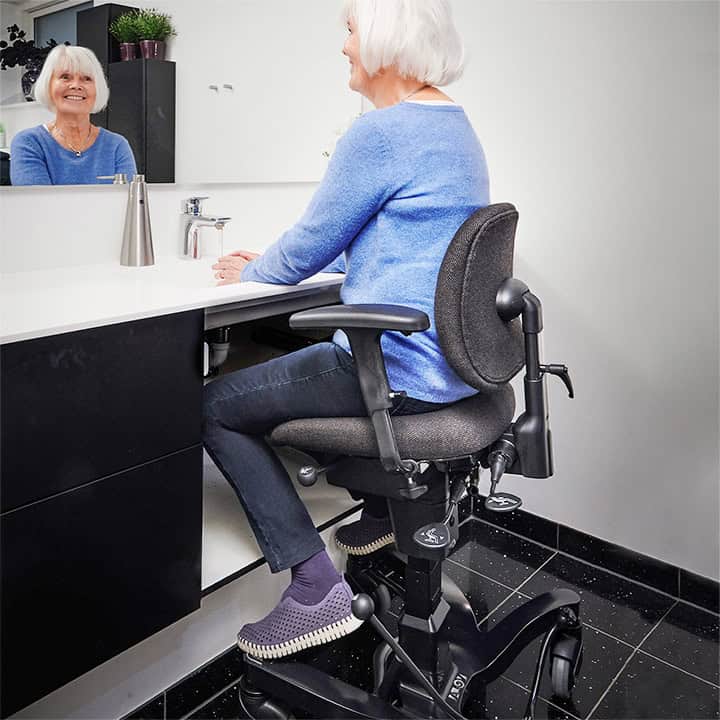
In the face of challenges that nursing homes often struggle with, such as maintaining independence in personal spaces, solutions like assistive devices are vital for older adults who prefer to remain in their homes. This is where devices like VELA chairs come into play, offering one potential avenue for enhancing independence. VELA is a medically approved mobility chair specifically designed for home use. It provides enhanced safety and freedom of movement while seated, supporting daily activities such as cooking, dressing, or transferring — all while reducing the load on informal caregivers.
Recent trends in adult day care reveal strong growth in the use of advanced assistive technologies, such as AI-powered mobility aids, wearables for real-time health monitoring, and rehabilitation robotics. These technologies support tailored rehabilitation, individualized fall prevention, and facilitate greater functional independence.[6][3] Centers prioritize adaptive and personalized solutions, reflecting the preference for technology-enhanced, person-centered care among both participants and caregivers.[6]
In addition to the VELA solution, day care settings increasingly feature ergonomic innovations such as adjustable seating, adaptable support systems, and equipment supporting multisensory engagement, all designed to meet diverse participant needs.[3][6] Rehabilitation plans are now often individualized and integrated with technology and telehealth support, enabling regular six-monthly review and greater reach into home environments.[3][6]
Mobility solutions like VELA Chairs significantly contribute to the ability of seniors to remain independent longer in their own homes. These chairs feature a central brake system for enhanced safety, electric height adjustability for comfortable transfers, and smooth movement while seated, addressing previously discussed concerns such as safety, energy, and ease of transfer. By providing such support, VELA Chairs can delay the transition to nursing home care, offering dignity and freedom to older adults. Imagine the everyday life of preparing meals or enjoying leisure activities made easier with the aid of a VELA Chair. While VELA is a practical and proven solution, it is not the only option available; however, its benefits in providing support and independence are well-recognized in enhancing the quality of life for seniors living at home.
Summary of Elderly day care requirements
Navigating the landscape of elderly day care requirements involves a keen understanding of regulatory compliance, participant rights, and operational excellence. According to the HHS OIG Report, consistent adherence to health and safety standards not only aligns with legal frameworks but ensures a supportive, enriching environment for those seeking day care services. Current federal guidance and oversight reports highlight the continued need for strong quality control, updated individualized care plans, and wider community-based access.[1][2][3][4][5][6][7]
This exploration serves as a comprehensive guide for families and caregivers, emphasizing the significance of regulatory adherence, quality improvement, and care excellence within elderly day care settings. By balancing potential benefits and limitations, the information underscores the importance of current and accurate know-how in choosing the right care for loved ones.