

Updated January 2026: We have updated the article with critical 2025-2026 Texas regulatory changes, including mandatory dementia training for all day care staff serving residents with dementia, required disaster registry enrollment by April 2025, new emergency preparedness standards, the latest 2026 Medicaid DAHS eligibility and financial limits ($2,982/month income and $2,000 asset cap), updated observations on nursing home staffing reductions, and guidance on how these measures affect compliance and care for mobility-impaired seniors.
Understanding Elderly Day Care Requirements in Texas: Legal and Operational Foundations
Navigating the regulatory landscape of elderly day care services in Texas is crucial for ensuring compliance and delivering high-quality care. Texas’s burgeoning senior population is projected to grow by 88% from 2023 to 2050, necessitating a robust infrastructure to support their needs. According to Texas Demographic Center, understanding the legal and operational requirements for elderly day care centers becomes imperative as part of this expansion.
Licensing and Operational Standards
According to Texas Health and Human Services, all adult day care centers in Texas must obtain a license through the TULIP portal, adhering to specific safety and care standards. These standards ensure that facilities provide safe environments and quality services to seniors. Compliance with the Texas Administrative Code, which includes meeting the Life Safety Code and construction standards, is also mandatory. The journey to obtaining a license typically involves comprehensive planning, documentation, and an understanding of the regulatory framework, culminating in a thorough inspection process.
In 2025, a federal audit by the Office of Inspector General (OIG) found widespread noncompliance in Texas DAHS facilities, with only 1 out of 20 providers fully meeting health, safety, or administrative requirements. This has prompted increased regulatory oversight from the Texas Health and Human Services Commission (HHSC), which is now committed to strengthening facility monitoring, staff training, and infrastructure improvements to elevate elderly day care standards statewide.
Additional references: Office of Inspector General – Texas DAHS Audit 2025; Texas Health and Human Services Commission (HHSC) Updates 2025
As of 2025, new state mandates require all staff in facilities serving residents with dementia to complete dementia-specific training to strengthen care quality and mitigate risks for this vulnerable population.
Additionally, HHSC now requires all Texas elderly day care programs to enroll in the disaster registry by April 1, 2025. This measure supports improved tracking, communication, and coordinated disaster planning for high-risk adult clients. Emergency preparedness standards have also been updated, requiring written plans addressing eight core disaster functions. Providers should review their compliance to avoid common violations involving incomplete disaster plans or inadequate training.
Reference: Texas Assisted Living Compliance: The Complete 2025 Provider Guide
There is increased emphasis on staff training in the use of assistive technology in adult day care centers. The integration of advanced ergonomic technologies, such as smart mobility aids with fall-detection sensors and AI-driven rehabilitation devices, continues to be encouraged for supporting independence and safety. Rehabilitation practices increasingly adopt personalized therapy tools like wearable biosensors and virtual reality (VR) for adaptive care, supporting more inclusive program development for elderly users. However, no new research on assistive technologies or federal regulation changes beyond 2025 was found in authoritative sources.
References: Texas Assisted Living Compliance: The Complete 2025 Provider Guide
Key Eligibility Criteria for Texas Day Activity and Health Services (DAHS)
Medicaid plays a significant role in facilitating access to elder care services. According to Medicaid Planning Assistance, eligibility for Texas Day Activity and Health Services (DAHS) is tied to several factors, including residency and financial thresholds connected to SSI approval. Applicants must live either at home, with family, or in adult foster care to qualify, emphasizing the non-institutional setting essential for this program.
As of 2026, Medicaid eligibility for DAHS requires Texas residency, a chronic functional medical need, and enrollment in both Medicaid and Supplemental Security Income (SSI). Applicants must also meet updated income and asset thresholds—$2,982 per month in gross income for single individuals and an asset cap of $2,000.
DAHS continues to be available for up to 10 hours per day of adult day care, supporting seniors and adults with disabilities in remaining in the community instead of entering nursing homes. Services include nursing, socialization, therapies, and personal assistance, with coverage available through Medicaid’s Day Activity and Health Services program for those who meet a nursing home level of care.
Additional references: Texas Medicaid’s Day Activity and Health Services (DAHS) Program; Texas Medicaid Eligibility: 2026 Income & Assets Limits; Medicaid Benefits for Adult Day Care
DAHS facilities offer a range of services such as health monitoring, therapeutic activities, and opportunities for socialization, all designed to support elderly individuals in community settings. For instance, consider the case of Mrs. Ramirez, a senior benefiting from DAHS. Through Medicaid, she accessed a program offering essential health services and social interaction, enhancing her quality of life.
Clinical recommendations continue to endorse technology-assisted rehabilitation and advanced mobility supports for daily care in adult day care settings, ensuring inclusive and adaptive environments for users with varying abilities.
References: Texas Assisted Living Compliance: The Complete 2025 Provider Guide
State Licensing and Staffing Standards for Texas Adult Day Care
The Texas Administrative Code provides detailed requirements for staffing ratios and training, ensuring that personnel are adequately prepared to deliver high-quality care. These staffing standards are critical for maintaining a safe and compliant environment. A practical example is “Amazing Place” in Houston, where rigorous staff training and strategic staffing ratios are employed to align with these standards.
The 2025 OIG audit revealed challenges related to facility oversight and staff compliance with health and safety requirements, underscoring a need for robust, ongoing staff education. The Texas HHSC has since strengthened provider monitoring, highlighted best practices for dementia care training, and required staff participation in disaster and emergency preparedness programs. Additional HHSC violation trends since 2025 include incomplete disaster plans and medication errors, providing practical guidance for centers.
Facilities must now also comply with the new dementia training mandate and complete timely registration on the state disaster registry. Emergency plans must address eight core disaster and recovery functions. Providers should ensure all staff understand and are trained in assistive device use for mobility-impaired participants.
In 2026, Texas enacted a law reducing mandatory nursing home staffing ratios to address statewide labor shortages. While DAHS facilities continue to be required to provide “sufficient staff” without fixed ratios, staff must remain attentive to prevent the kinds of risks observed in nursing facilities—such as delayed assistance for mobility-impaired seniors or gaps in medication monitoring. Family members and caregivers should remain vigilant regarding staffing levels, especially for those relying on assistive mobility devices.
References: Texas Assisted Living Compliance: The Complete 2025 Provider Guide
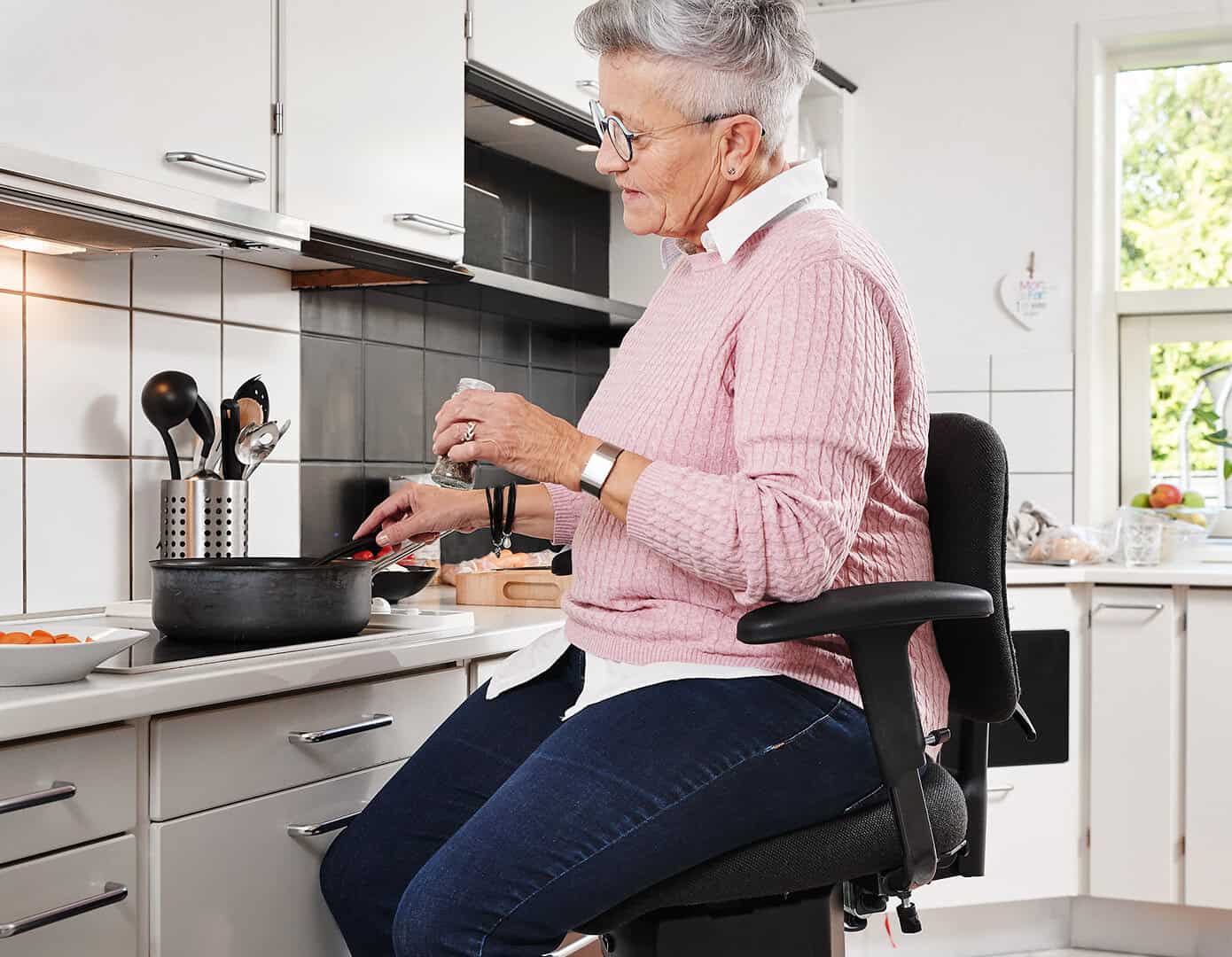
In addition to these staffing and safety protocols, enhancements in mobility support can significantly elevate the quality of life for seniors. While nursing homes provide a spectrum of care services, many older adults express a preference to remain in their homes, fostering familiarity and independence. Here, medically approved mobility aids such as the VELA Independence Chair can be transformative. This chair is designed for home use, offering features that ensure safety, support movement, and aid with daily activities like cooking or dressing, thereby easing the physical and emotional load on informal caregivers.
Financial Access: Medicaid and Private Pay Options in Texas
Financial accessibility remains a key consideration for families seeking day care services. In Texas, the cost of adult day care services typically ranges from $50 to $100 per day. Fortunately, Medicaid can cover these expenses for eligible participants. According to Medicaid Planning Assistance, for those ineligible for Medicaid, private pay options and financial assistance programs are available, particularly beneficial for low-income seniors.
For 2026, Medicaid applicants must meet the updated income limit of $2,982/month and an individual asset limit of $2,000 for long-term care or DAHS adult day care coverage. Private pay and sliding-fee arrangements remain important options for those who do not qualify.
References: Texas Medicaid Eligibility: 2026 Income & Assets Limits
Comparing costs between urban and rural centers reveals that urban facilities generally incur higher expenses due to increased operational costs. However, rural programs often incorporate community-driven support, reducing overhead and offering sliding-scale fees.
Enhanced Legal Protections for Elderly and Disabled in Texas
In September 2025, Texas enacted updated legal protections for elderly and disabled adults receiving care, with significant increases in criminal penalties for assault against this population. These new provisions are designed to further safeguard the well-being of seniors in adult day care and community-based programs. Day care providers are required to comply with these measures, ensuring reporting protocols and protective environments for all participants.
Reference: Versus Texas – Elder/Disabled Protections 2025
Conclusion
The elderly day care requirements in Texas involve a balance between regulatory compliance and practical care solutions. By adhering to the Texas Administrative Code and leveraging financial options like Medicaid, facilities can better serve the state’s growing elderly population. Recent advances encourage integrating smart mobility aids, wearable sensors, VR rehabilitation, and continuous staff education in assistive technology to create safer, more adaptive caregiving environments. Facilities must also respond to increased scrutiny and updated oversight, as highlighted by the 2025 federal audit, by prioritizing compliance and investing in training and facility quality. The addition of dementia training mandates, disaster preparedness registration, and more stringent emergency planning standards further strengthen care quality and preparedness. Facilities and families should also remain mindful of workforce trends, as reduced nursing staffing ratios may increase risks for delayed response, particularly for seniors with mobility challenges. Understanding these requirements and integrating innovative solutions like VELA chairs can ensure a safe, supportive environment for seniors, preserving their well-being and autonomy. As Texas continues to prepare for its rapidly expanding senior demographic, staying informed and compliant with these regulations and best practices will be paramount.