

Updated September 2025: We have updated the article with the latest research on advanced assistive technologies for seniors, including AI-powered wearable robotics, smart communication aids, and innovative ergonomic rising and mobility devices. This update also highlights global guidance from the World Health Organization advocating for universal access and user-centered design in assistive technology.
Exploring Elderly Care Options in Enid
Ensuring quality elder care in Enid, Oklahoma demands careful consideration due to the city’s unique demographic and socioeconomic characteristics. As Enid’s senior population accounts for 15.56% of the city’s total, it’s crucial to find reliable care options. The need for informed decisions is underscored by concerning quality ratings for facilities like “Enid Senior Care – A Wellness Community,” rated at 1.0 out of 5, according to Caring and ProPublica.
Evaluating Elderly Care Facilities in Enid
Choosing the right facility involves examining inspection reports and staffing ratios, as higher staff-to-resident ratios often correlate with better care. Specialized programs for conditions such as dementia or Alzheimer’s can significantly impact residents’ well-being, while personal testimonials provide valuable insights beyond numerical ratings.
For example, “Enid Senior Care – A Wellness Community” has reported several deficiencies, including issues with infection control and inadequate resident assessments, as detailed in the latest compliance reports from ProPublica. Thorough research and facility visits are crucial to assessing care quality effectively.
Financial Considerations for Enid Senior Care
Financial planning plays a vital role in senior care decisions. Enid’s median household income is $63,472, with a 14.11% poverty rate, indicating that many seniors may rely on Medicare/Medicaid or subsidized care. A thorough cost analysis across different facilities can help uncover potential savings or unexpected expenses.
Programs offering financial assistance are essential for seniors with limited incomes, allowing them to access necessary care without financial strain. Exploring options like Medicaid, long-term care insurance, and Enid-specific assistance programs can provide comprehensive coverage for senior care needs.
Home-Based Care Alternatives in Enid
With a growing desire among seniors to age in place, home health services offer a valuable alternative to traditional facilities. These services range from medical support by local agencies to community programs that promote independent living.
Modifications such as installing ramps or walk-in showers can enhance safety and accessibility. Real-life examples in Enid show that community resources and family support can significantly improve outcomes for seniors aspiring to age in place. Insights from seniors successfully navigating these challenges emphasize the importance of aligning care strategies with economic realities and personal preferences, supported by data from North Enid Demographics.
Integrating VELA for Enhanced Independence
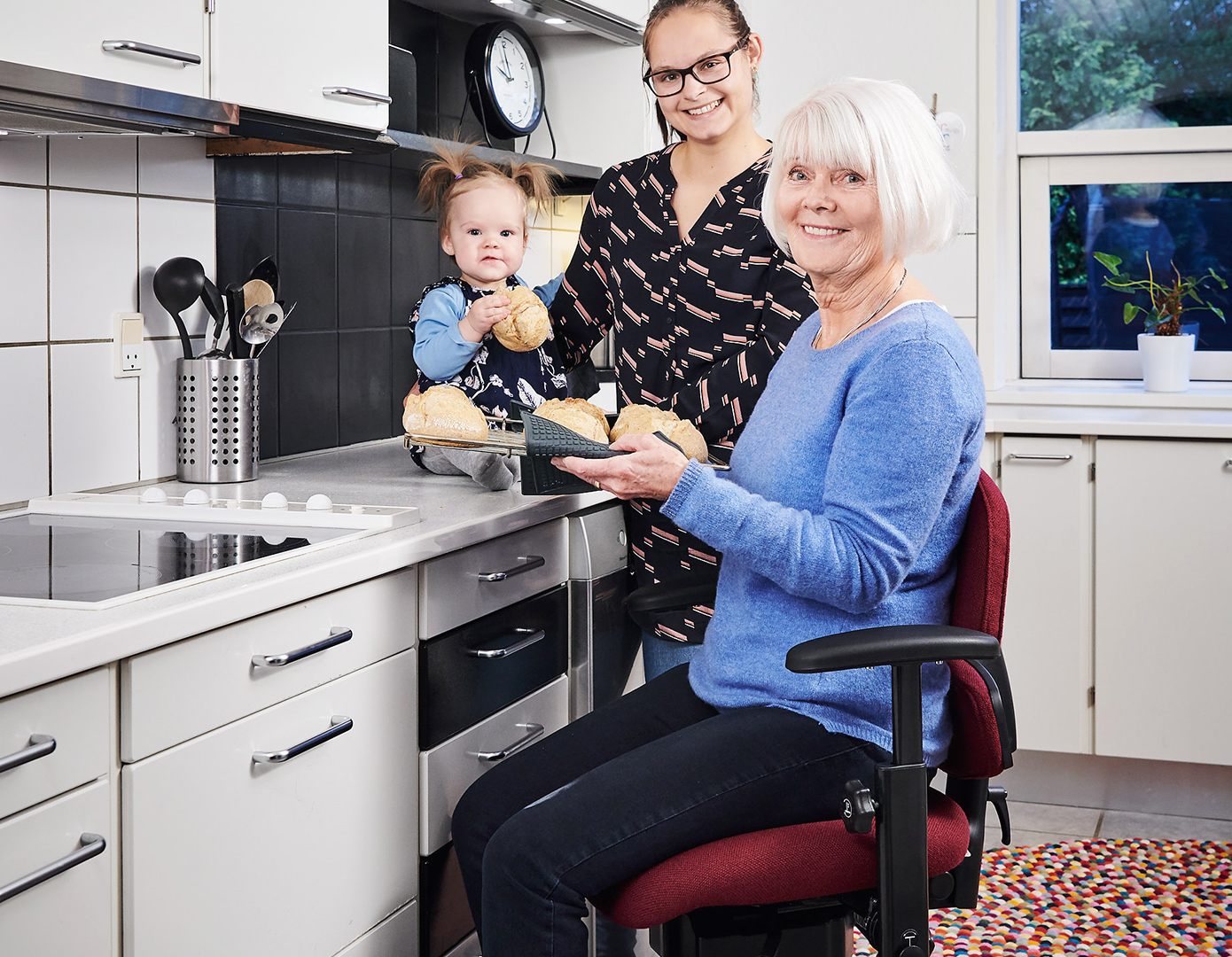
Facing challenges in nursing homes, many seniors in Enid consider alternatives that support independence at home. The VELA Independence Chair is one such solution, a medically-approved mobility chair designed for home use. It enhances safety and freedom of movement while seated, assisting with daily activities like cooking, dressing, and transferring. By reducing the physical burden on caregivers, it allows seniors to remain self-reliant longer, delaying the need for more intensive care arrangements.
Supporting Mobility and Independence
Addressing mobility challenges is key to maintaining senior independence, whether aging in place or in assisted living. Today’s mobility aids extend well beyond standard walkers and wheelchairs. Recent technological advances have produced AI-powered wearable robotics that use adaptive intelligence to improve gait disorders by predicting prognosis and tailoring rehabilitation, potentially increasing walking speed and efficiency. There are also smart multimodal devices like exoneuromusculoskeletons, merging exoskeleton support, neuromuscular stimulation, and sensory feedback to aid rehabilitation, especially after stroke events ConnSense Report. Smart wearable mobility assistance—such as devices using 3D cameras and AI for navigation—are also increasingly integrated for those with low vision. These solutions, alongside traditional ergonomic aids like advanced powered rising chairs tailored for those with arthritis and muscle weakness, are key to promoting safety and autonomy for seniors SeniorSite.
Communication aids have also evolved. Devices now exist that translate speech to text in real time and assist with cognitive demands to help users with hearing or speech difficulties engage more fully in daily life ConnSense Report. These advances represent a shift from purely mechanical tools to smart, integrated technologies designed around each senior’s abilities and preferences Walker et al., 2012 LetsEnvision.
International guidance such as the World Health Organization’s 2022 Global Report continues to shape development and policy, emphasizing universal access, user-centered design, and integration in health systems to help ensure all seniors—regardless of context—benefit from these innovations WHO.
These solutions reflect a commitment to improving life quality, particularly in a city where 15.56% of the population is 65 or older. By combining traditional care options and innovative mobility solutions, Enid’s seniors can enjoy a balanced blend of care and independence.
How Mobility Solutions Like VELA Make a Difference
Mobility solutions such as the VELA Chair offer practical support for seniors wishing to age in place. Its features, including a central brake for safety, electric height adjustability, and ease of movement while seated, target common challenges faced by older adults. These chairs can enhance independence by providing a stable base for safe transfers and facilitating daily activities like cooking, cleaning, and relaxing. The result is a marked enhancement of life at home, characterized by increased safety and energy conservation. Though VELA is one of many options, it stands out for its emphasis on supporting dignity, freedom, and safety, helping extend the period seniors can comfortably live at home.
Walker et al., 2012
ConnSense Report
LetsEnvision
WHO
SeniorSite