

Updated September 2025: We have updated the article to reflect the latest advancements in assistive technology, including AI-powered smart glasses, integrated digital assistants, evolving ergonomic and inclusive design standards, recent accessibility regulations, and global trends in aging-in-place solutions.
The Growing Importance of Family Senior Care in 2025
In 2025, the landscape of senior care is more crucial than ever, shaped by a rapidly aging population. Family senior care is at the forefront, providing pivotal support systems for elderly individuals who wish to maintain independence and dignity in their later years. According to SeniorLiving.org, 55.8 million Americans will be aged 65 and older in 2025—an urgent call for sustainable and compassionate senior care strategies.
A staggering 70% of seniors will require some form of long-term care, as reported by Single Care, making family-based senior care solutions indispensable. These solutions offer a blend of emotional support and practical care, tailored to keep seniors in a familiar environment while managing their health needs.
Evolving Preferences for Aging in Place
Aging in place remains a preferred choice, with 77% of adults over 50 opting to remain in their homes, as noted by Aging Population Statistics. This preference is driven by the comfort and security of familiar environments. Families are increasingly modifying homes—by installing stair lifts or accessible bathrooms—to meet their loved ones’ evolving needs. Recent advances in assistive technologies, including AI-powered smart glasses and integrated smart home features, are enabling seniors with visual or mobility challenges to navigate home environments with greater safety and autonomy.[1][5]
Consider the example of the Johnson family, who adapted their home to accommodate their grandmother’s declining mobility by remodeling the bathroom with grab bars and a walk-in bath. They also collaborated with local home care services for additional support. Such measures improve not only the safety but also the quality of life for seniors.
The Expanding Role of Family Caregivers
As our elderly population expands, so does the role of caregivers. The community of family caregivers has seen a 32% increase from 18.2 million in 2011 to 24.1 million in 2022, based on findings from Johns Hopkins Public Health. Despite this growth, challenges remain, such as balancing caregiving duties with full-time employment.
An example is Mary Rodriguez, a caregiver who successfully manages her mother’s health needs, including chronic arthritis, while maintaining her career. Her efforts exemplify the necessity for supportive measures like flexible work policies that acknowledge the dual roles many caregivers navigate. The surge in user-friendly, AI-driven digital assistants has further equipped caregivers to monitor and provide support remotely, reducing complexity and fostering more autonomy for both caregiver and recipient.[3]
Economic Pressures and Senior Care Choices
Economic challenges add complexity to senior care decisions. The poverty rate among seniors had reached 14.1% in 2022, influenced by economic pressures that strain the affordability of quality care options, reported by McKnight’s Senior Living. Families often rely on a combination of long-term care insurance and government assistance, such as Medicaid, to bridge this gap—an approach that offers financial relief while ensuring comprehensive support.
The Martin family is an illustrative case; they leveraged Medicaid and VA benefits to provide for their elderly father, a retired veteran, covering the costs of caregiving while also accessing community resource services. Increasing availability and affordability of assistive technologies, enabled by regulatory reforms and expanding market access, provide further support for families seeking reliable solutions at home.[2][7]
VELA Mobility Chair: Enhancing Independence at Home
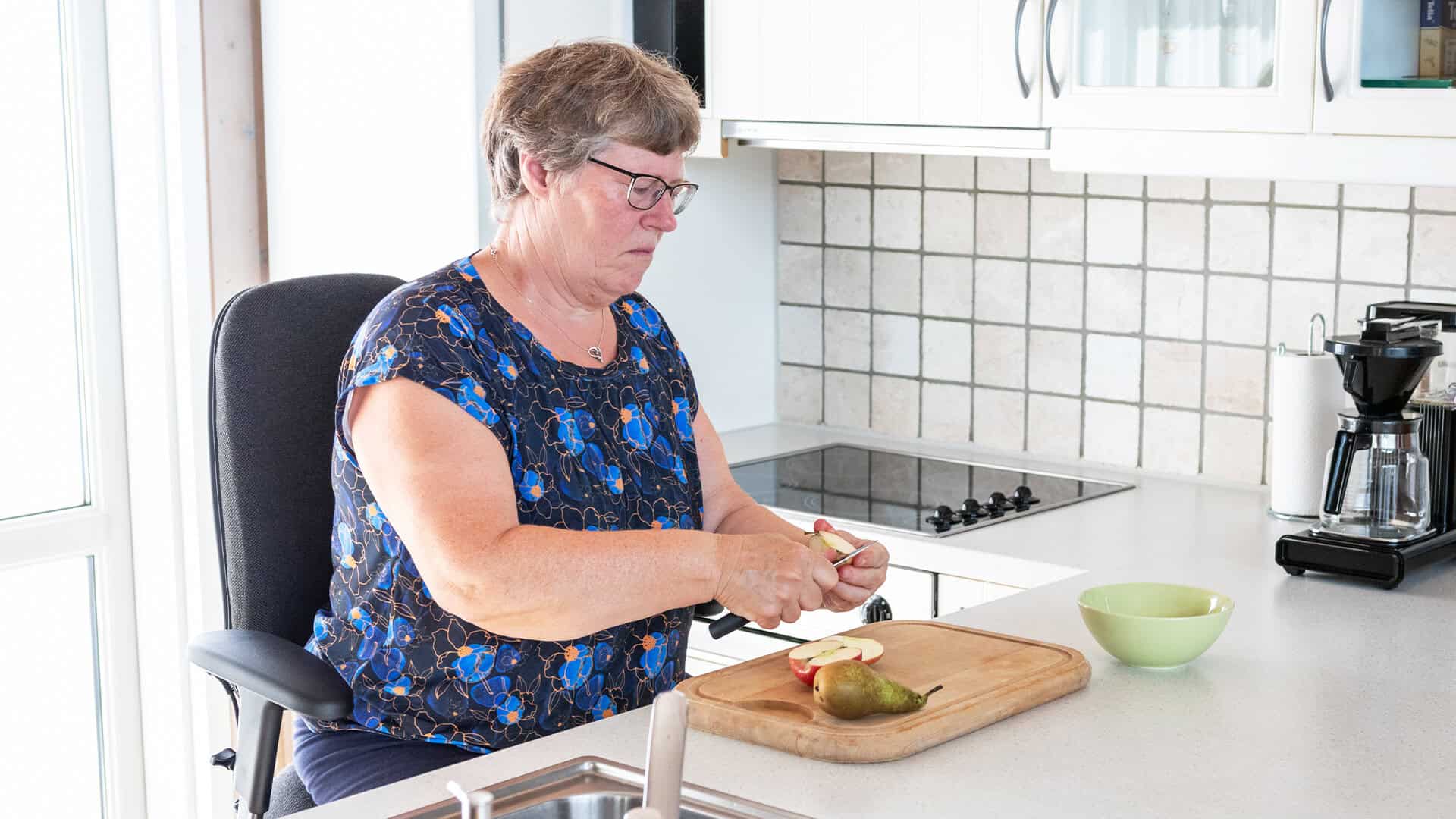
Given the challenges that nursing homes pose, such as limited personal freedom and the high cost of care, many families are seeking alternatives that allow seniors to remain independent at home. As people strive to provide help for seniors at home, innovative solutions like the VELA Mobility Chair emerge as valuable assets. This medically approved mobility chair is specifically designed for home use, enhancing safety, freedom of movement while seated, and supporting daily activities like cooking, dressing, or transferring. Moreover, it significantly eases the burden on informal caregivers by allowing seniors a greater degree of autonomy. Contemporary assistive products increasingly feature inclusive, ergonomic design and are compatible with smart home systems, supporting cognitive, sensory, and physical needs for diverse user profiles.[6][5]
Embracing the Future of Family Senior Care
As demographics shift, the importance of family senior care is expected to skyrocket. The desire to age in place remains unwavering among seniors, underscoring the need for diverse care options that respect personal preferences, health requirements, and financial constraints. Understanding these dynamics and leveraging resources like the VELA Mobility Chair can help families craft an environment that honors the dignity and independence of their elderly loved ones.
In summary, family senior care continues to be a favored option, bolstered by community resources and technological advancements. For further insights into care options and strategies, refer to the comprehensive recommendations offered by SeniorLiving.org for authoritative guidance on navigating the complexities of senior care. With rapid developments in AI-powered devices, indoor navigation aids, and integrated digital assistant support, families have more practical, inclusive, and intuitive tools at their disposal than ever before.[1][4]
Supporting Aging in Place: A Practical Option
Innovations like the VELA Chair enable seniors to maintain their independence at home for longer periods, thereby delaying the transition to nursing home care. Key features, including the central brake for enhanced safety, electric height adjustability for ease of transfers, and the smooth maneuverability of the seat, address common mobility challenges faced by the elderly. By offering comfort and support, the chair conserves energy for seniors, allowing them to engage in day-to-day activities such as cooking, cleaning, and relaxing with minimal strain. The trend toward fully integrated, AI-enabled assistive devices and inclusive ergonomic design continues to create new possibilities for safe, satisfying aging in place.[3][6]
The contrast between life with and without a VELA Chair is stark; without it, even simple tasks can become daunting. Although not the only solution available, the VELA Chair stands as a proven and practical option for caring for the elderly with mobility challenges, promoting dignity, freedom, and safety for seniors choosing to age in place.