

Updated September 2025: We have updated the article to reflect significant new trends in Florida’s elderly home care, including the widespread integration of AI-powered health monitoring, personalized and tech-enabled care plans, advances in ergonomic product design, critical workforce shortages, upcoming Medicare policy changes, and the growth of flexible, wellness-focused senior living models.
Comprehensive Insights into Florida’s Elderly Home Care Landscape
Florida, often celebrated for its sunny skies and retiree-friendly locales, is also home to a rapidly growing elderly population. With 20.9% of its residents aged 65 and older, the demand for in-home elderly care is more pressing than ever. According to the Florida Department of Elder Affairs, the state recently amplified its support by increasing funding by $11 million to expand Community Care for the Elderly (CCE) and Home Care for the Elderly (HCE) programs, reflecting a steadfast commitment to senior care.
Overview of Elderly Care Needs in Florida
Florida’s elderly population not only contributes to its unique demographic profile but also presents specific healthcare challenges. Conditions such as Alzheimer’s and dementia are common, necessitating tailored care approaches. With residents hailing from diverse socio-economic backgrounds, many rely on state-funded community care programs. Take, for instance, Mary, a senior in Naples who is experiencing mobility issues and chronic arthritis. Access to in-home care is pivotal for Mary, allowing her to maintain autonomy and avoid long-term institutionalization Florida State Plan on Aging 2022–2025.
Understanding Florida’s Home Care Services and Programs
The spectrum of home care services available in Florida has expanded significantly in recent years. Alongside established personal care and medical support, there is widespread adoption of advanced assistive technologies, including AI-powered health monitoring and telehealth integration, which enable continuous remote assessment and early intervention for seniors with mobility or cognitive impairments.[1][8] These solutions complement state-backed initiatives like CCE and HCE, which continue to facilitate at-home living arrangements for seniors. For example, Jane, a retiree in Orlando, now benefits from both traditional support and interactive technologies that tailor her care to individual preferences, boosting her independence and emotional well-being.[2] The Florida Department of Elder Affairs actively champions these initiatives, ensuring seniors receive essential, up-to-date assistance in their communities.
Navigating Costs and Financial Assistance for In-Home Elderly Care
The cost of home care in Florida can vary significantly, with hourly rates ranging from $24 to $43, according to the 2025 Home Care Cost Guide. For seniors like Thomas in Tampa, financial assistance is crucial to help manage these expenses. Subsidies and support programs enable him to afford consistent in-home care without straining his fixed income. Many utilize a mix of personal funds, state assistance, and insurance to cover these essential services.
Looking forward, a proposed expansion of federal Medicare coverage for in-home care services, home modifications, and caregiver compensation is under legislative review.[6] If enacted, this policy shift is expected to extend subsidized care to millions of seniors and reduce the need for institutionalization, making home care more accessible and affordable throughout Florida.
Specialized Care for Alzheimer’s and Dementia Patients in Florida
Specialized programs, such as the Alzheimer’s Disease Initiative, play an indispensable role for those affected by cognitive disorders. Tailored in-home care is vital, addressing the unique challenges posed by these conditions. For example, the Smith family in Miami uses resources from the Florida Alzheimer’s Center of Excellence to support their father, George, who lives with dementia. Increasingly, memory care integrates digital and interactive technologies to develop individualized care plans, further promoting independence and improving emotional well-being for both patients and caregivers.[2][8]
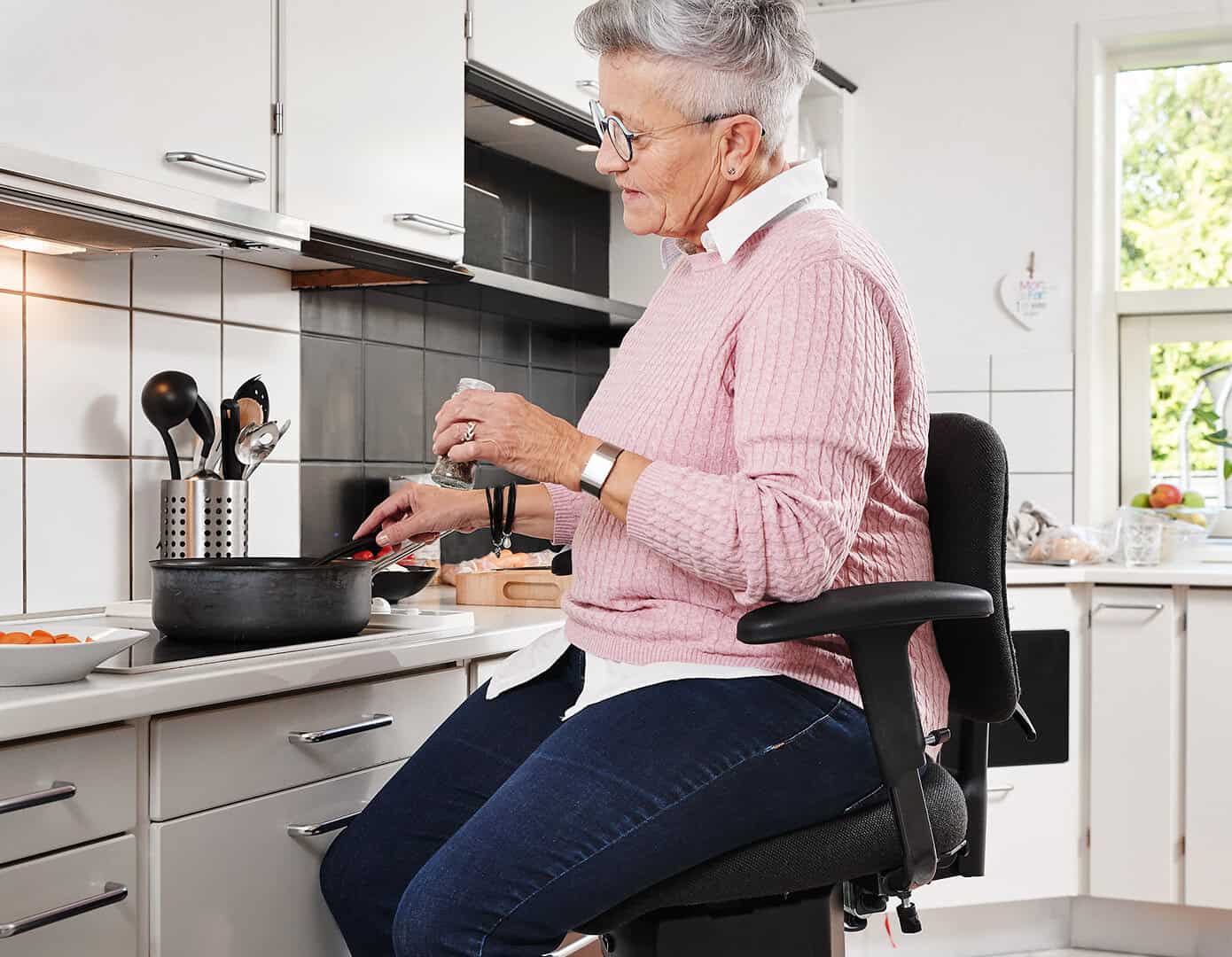
To address the challenges of maintaining independence for seniors, mobility solutions such as the VELA Independence Chair offer an effective alternative to nursing homes. This medically approved mobility chair is particularly advantageous for those wishing to remain in their residences, offering enhanced safety and freedom of movement while seated. Recent advances in ergonomic and inclusive product design focus on adaptability and comfort for individuals with disabilities or reduced mobility, in line with clinical rehabilitation insights.[1][7] The VELA chair supports numerous daily activities like cooking, dressing, or transferring, reducing the physical demands on informal caregivers. Through ergonomic design and supportive functionality, the VELA chair can significantly alleviate common issues faced by older adults, promoting a more independent lifestyle at home.
Supporting Aging in Place: A Practical Option
Staying independent at home longer is a wish for many seniors, and mobility solutions like the VELA Independence Chair can make this a practical reality. By integrating features that emphasize safety, such as a central brake to prevent falls, electric height adjustability for effortless sitting and standing, and ease of movement within the home, the VELA chair addresses key concerns highlighted earlier. A life with a VELA Chair means older adults can continue cooking, cleaning, or relaxing with greater autonomy and confidence. This not only enhances their daily living but also delays the necessity of moving into a nursing home. While the VELA Chair is one of many options, its proven design emphasizes dignity, freedom, and safety, making it a valuable asset for aging individuals and their caregivers. Recent trends underscore the importance of wellness, sustainability, and social engagement as core components of senior care in Florida, with communities adopting comprehensive strategies to enhance quality of life.[4][8] For more insights, explore resources on Mobility Solutions for Seniors and Fall Prevention Strategies for Seniors.
Key Challenges and Evolving Senior Living Models
Florida currently faces a critical shortage of home health aides, ranking at the bottom nationwide for available personal care workers.[5] This workforce gap increasingly impacts access to and quality of in-home services, making staff recruitment and retention a top policy concern for the state. In response, new senior living models have emerged to offer flexible, affordable, and socially supportive environments, such as active adult communities, co-housing, and continuing care at home.[3][7] These options reflect the growing demand for settings that foster wellness, independence, and community engagement, further shaping Florida’s dynamic elderly care landscape.
Sources
- Synchrony Home Health Care, “The Future of Home Health Care: Trends to Watch in 2025” [1]
- Comfort Keepers, “7 Key Trends in Memory Care for Seniors in Punta Gorda in 2025” [2]
- Align Senior Care, “Senior Living Trends for 2025” [3]
- Provider Magazine, “Long Term Care 2025 Trends and Outlook” [4]
- Home Care Association of Florida, “Florida’s Home Care Crisis Deepens” [5]
- Home Care Industry Stats 2025, “Federal Medicare Expansion Proposal Signals Policy Shift” [6]
- Health Dimensions Group, “2025 Top Trends in Aging Services” [7]
- Bridge Senior Living, “Senior Living Trends for 2025” [8]
- Florida Department of Elder Affairs
- Florida State Plan on Aging 2022–2025
- 2025 Home Care Cost Guide