

Updated September 2025: We have updated the article to include the latest advances in assistive technology for seniors and those with reduced mobility, such as AI-powered smart devices, brain-controlled prosthetics, and autonomous smart wheelchairs. The article now reflects recent trends in ergonomic and inclusive design, updated policy initiatives to improve device affordability and access, and the integration of intelligence and user-centered features that enhance independence and quality of life.
GHI Senior Care: Comprehensive Elderly Care Coverage in New York City
Navigating healthcare options as a retiree in New York City demands careful consideration, especially when it involves supplemental insurance plans like GHI Senior Care. As a crucial extension of Medicare, GHI Senior Care provides retirees with an extensive network and comprehensive coverage options, which are essential in a bustling metropolis like NYC. According to NYC Health + Hospitals, this plan is accepted at eleven NYC Health + Hospitals locations and numerous Gotham Health Centers, offering widespread access to medical services for those who are most in need.
Navigating GHI Senior Care Coverage and Benefits in NYC
GHI Senior Care stands out as a dependable Medicare supplemental insurance plan that collaborates with Medicare to bridge the coverage gaps often encountered by retirees. Starting January 1, 2025, there will be several updates, including the distribution of new ID cards and the introduction of a modest $15 copayment for certain services. These updates underscore an ongoing dedication to evolving to meet retirees’ changing needs while maintaining a strong support system. EmblemHealth provides detailed insights into these updates, highlighting the program’s strategic enhancements.
Consider the situation of a retiree like Ms. Jane Doe, who manages chronic health conditions: having in-network specialists within the GHI Senior Care framework can significantly augment her quality of life. Real-world scenarios where retirees seamlessly integrate specialized care with their existing benefits demonstrate the plan’s effectiveness in eliminating barriers to essential medical services.
Navigating the Cost Structure of GHI Senior Care
Financial planning is critical for retirees managing healthcare needs. GHI Senior Care supports this through various cost-sharing mechanisms, including the reimbursement for Medicare Part B premiums—provided by the City of New York to qualifying members. Understanding these financial dynamics—such as the $50 GHI Senior Care deductible and the newly introduced $15 copayments—is vital for retirees in NYC to effectively plan their healthcare budgets. According to NYC Office of Labor Relations Health Benefits Program, eligibility conditions, including being a City pension check recipient, are pivotal in accessing these benefits.
Consider a retiree, Mr. John Smith, who meticulously budgets his expenses: by anticipating these costs, he can better allocate resources, ensuring continued access to vital healthcare services without financial strain.
Essential Support Resources for GHI Senior Care Members
An integral part of GHI Senior Care’s value proposition is its dedicated support network, designed to assist members in efficiently navigating their healthcare needs. EmblemHealth’s support options include comprehensive phone and email assistance, with expanded Medicare Advantage support hours catering specifically to retirees. Additionally, members can access personalized assistance at Neighborhood Care locations across New York City, offering direct interaction with Customer Care Navigators and Social Worker Case Managers (for more information, visit EmblemHealth’s contact page).
For example, a member like Mr. Robert Johnson, facing a complex billing issue, can benefit by having all the necessary information on hand—such as his Social Security and pension numbers—ensuring swift and efficient service when contacting support.
Enhancing Independence with VELA Mobility Solutions and the Latest Assistive Technologies
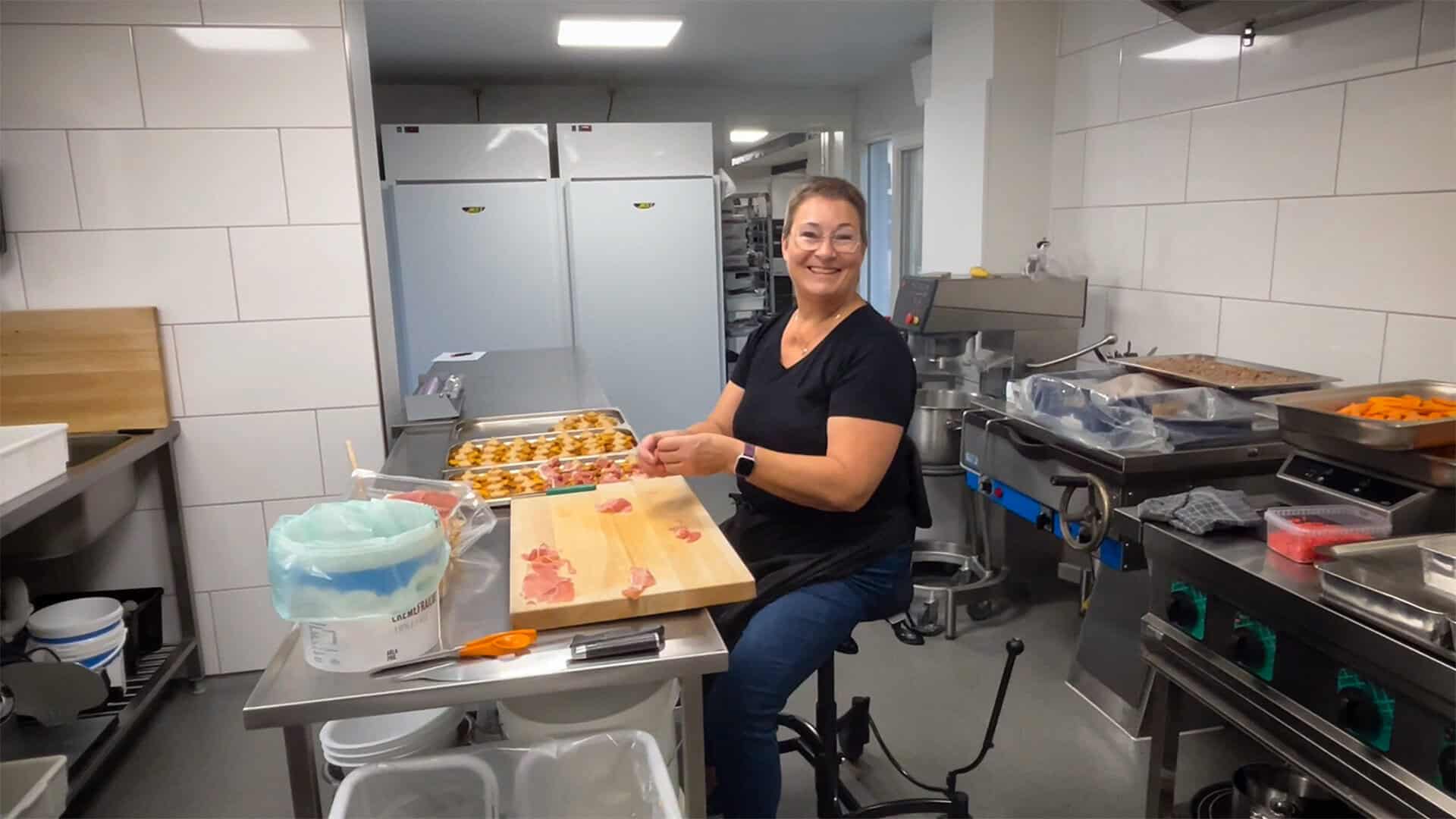
While nursing homes present challenges such as limited personal space and autonomy, there are solutions designed to help older adults remain independent in their own homes. One such innovative solution is the VELA chair—a medically approved mobility chair designed for home use, which enhances safety, provides freedom of movement while seated, and supports daily activities like cooking, dressing, or transferring. This chair not only reduces the physical strain for users but also lessens the caregiving load, enabling individuals to age in place with dignity and freedom.
Recent advancements in assistive technologies for seniors and people with reduced mobility have brought forth AI-driven smart wearables, brain-computer interface prosthetics, and autonomous smart wheelchairs. Notably, AI-powered smart glasses, such as VisionX AI Glasses, assist the visually impaired by providing real-time environment descriptions and navigation guidance. Brain-controlled prosthetics like the NeuroGrip Arm enable greater natural movement through direct neural input, and hands-free devices such as GlassOuse make it possible to control computers and environmental aids using head movements. Wearable devices like Ara offer obstacle detection with haptic feedback, and smart wheelchairs now feature autonomous navigation, pressure monitoring, and app-based controls to further support user comfort and independence.[1][2][3][4][5]
Emerging trends focus on ergonomic improvements and seamless integration between users and technology. Devices are being designed for intuitive operation, with shared control that adapts to the user’s intent while delivering enhanced safety and reliability. Policy developments and community support initiatives, including streamlined distribution programs and affordability measures, continue to expand access to these life-improving technologies—especially in urban settings such as NYC.[4]
For elderly individuals determined to remain in their own homes, mobility solutions like the VELA Chair can significantly enhance quality of life. Equipped with features such as a central brake for safety, electric height adjustability, and ease of movement while seated, these chairs address common aging challenges like safety concerns and limited energy. Using a VELA Chair can delay the need for a nursing home by enabling users to perform daily tasks such as cooking and dressing with greater independence, reducing reliance on caregivers. While not the only solution, VELA represents a proven, practical option for those seeking to uphold dignity, safety, and autonomy in their everyday life.