

Updated September 2025: We have updated the article with the latest trends in AI-powered assistive technology, wearable health devices, telemedicine, and smart home automation for seniors. The article now emphasizes the integration of these technologies into personalized in-home care, recent advances in ergonomic and customizable mobility devices, the role of inclusive design, regulatory support for digital health, and current challenges in technology usability for seniors.
Grace at Home Senior Care: A Holistic Approach to Elderly Support in Maricopa County
Navigating the world of senior care can be daunting, but Grace at Home Senior Care streamlines this journey for residents of Maricopa County, Arizona, by offering personalized, non-medical in-home care services. According to Centers for Medicare & Medicaid Services, approximately 70% of individuals turning 65 will need some form of long-term care services, underscoring the critical need for tailored care solutions like those provided by Grace at Home Senior Care.
Understanding Grace at Home Senior Care: Services, Mission, and Philosophy
Grace at Home Senior Care offers a range of services, from companionship to daily living assistance and emotional support. Their unique faith-based mission enhances spiritual well-being and fosters an environment akin to family life. Endorsements from clients, such as Ken, who praised the caregivers for becoming akin to family, reflect the deep connections and trust established through their service. According to Arizona Department of Health Services, such providers are regulated to ensure quality and safety.
Who Needs In-Home Senior Care? Typical Client Needs and Family Profiles
Understanding the typical needs of clients is vital to appreciating Grace at Home’s dedicated service model. Clients often face challenges such as mobility restrictions, chronic illnesses, and cognitive impairments. Families, often led by adult children, are the primary coordinators of care and frequently seek respite support to alleviate the burden of caregiving. The National Institute on Aging emphasizes the growing necessity of in-home care in delaying institutional care, allowing seniors to maintain dignity and comfort in a familiar setting.
Key Benefits: Why Non-Medical, Personalized Care Makes a Difference
Grace at Home’s personalized care plans translate into benefits like reduced hospital readmissions and improved life quality. The Journal of the American Geriatrics Society notes such benefits in their study. Moreover, emotional and spiritual support enriches the care experience, supporting the CDC’s findings on the importance of home-based care.
In addition to traditional supports, recent advancements in in-home senior care now place AI-powered technologies, wearables, and robust telemedicine solutions at the forefront of maintaining safety, health, and well-being in the home. Smart home systems can provide real-time fall detection and alerting, smart access control, and personalized automation of lighting and climate settings—all critical for a secure and comfortable living environment. Wearable health devices allow for continuous remote health monitoring, supporting both medical and mental health needs through telehealth platforms. Integrated AI assistants offer intuitive daily support, improving communication, medication reminders, and accessibility for seniors with different disability levels. Despite significant progress, studies continue to underscore the importance of ergonomic, inclusive design and the need for user training, as usability challenges remain, particularly among users with severe disabilities (Heisinger Bluffs; ButterflyMX; Market.us Media).
Choosing a Provider: Safety, Trust, and Caregiver Vetting
Selecting a caregiver involves considerable trust, particularly in ensuring safety and compatibility. Grace at Home Senior Care prioritizes comprehensive background checks, thorough insurance coverage, and caregiver-client matchmaking. This meticulous approach, governed by the Arizona Department of Health Services, ensures peace of mind and a reassuring care environment. Families frequently express relief in discovering the secure, compassionate care provided.
Dr. Lisa Santoro, a board-certified geriatrician, emphasizes that “Individualized, non-medical care has a profound impact on the well-being of seniors, aiding families in managing caregiving responsibilities.”
Such personalized care plans enable seniors to age in comfort and dignity, underscoring Grace at Home’s invaluable role in meeting elder care needs.
The growing support for telemedicine and digital health integration—in line with evolving regulatory and clinical standards—has become essential to in-home care delivery. Providers now routinely utilize remote consultations, digital health records, and AI screening to enhance care coordination, accessibility, and compliance with best practice guidelines (Health Dimensions Group).
In summary, Grace at Home Senior Care exemplifies a superior standard of non-medical in-home care by focusing on personal connection, trust, and adaptability, while incorporating current advances in technology and inclusive design. This ensures seniors can remain comfortably and securely in the place they call home, with the latest innovations supporting their independence.
How Mobility Solutions Like VELA Make a Difference
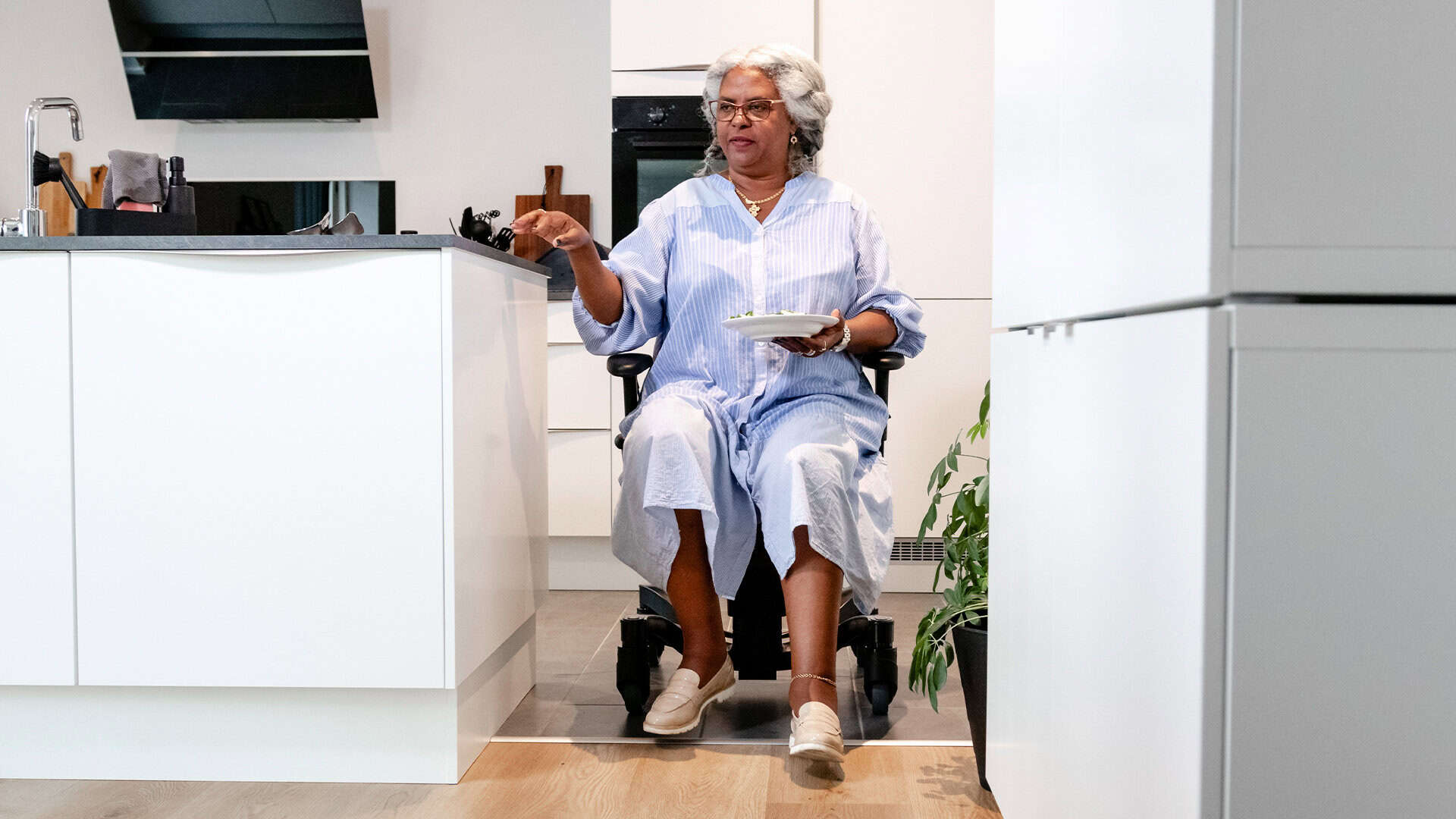
Innovative mobility solutions like VELA Chairs are instrumental in supporting seniors to stay independent longer at home. With features designed to meet the specific challenges of aging, such as a central brake for enhanced safety, electric height adjustability, and ease of movement while seated, these chairs significantly reduce risks associated with daily tasks. By providing stability and mobility assistance, VELA Chairs facilitate activities ranging from cooking and cleaning to mere relaxation, thus minimizing the need for nursing home placement. This supports seniors in living with dignity and freedom, while also alleviating caregiver stress. Choosing the right mobility aid, such as mobility assistance, underscores the potential of practical solutions to enhance independent living for seniors. Although not the only solution available, VELA stands out as a proven, practical option for those seeking to age gracefully in place.
References and Further Reading
- Heisinger Bluffs: The Future of Senior Living: Trends to Watch in 2025
- ButterflyMX: Senior Living Technology Trends 2025
- Next Market Research: Disabled and Elderly Assistive Device Market 2025-2030
- Envision Community Blog: Future of Assistive Technology & AI Assistants 2025
- Market.us Media: Assistive Technology Statistics and Facts (2025)
- Seniors Blue Book: A Guide to Useful Technology for Older Adults in 2025
- Health Dimensions Group: 2025 Top Trends in Aging Services