

Updated October 2025: We have updated the article to reflect the latest advancements in assistive technologies, including AI-powered smart devices, integrated AI assistants, enhanced ergonomic designs in mobility aids, innovations in fall prevention, and the growing role of smart home integration and brain health tools for maintaining dignity and independence in senior care.
Achieving Dignity and Independence in Senior Care
Graceful Living Senior Care stands as an exemplary model of personalized residential care, offering a meaningful alternative to traditional assisted living facilities. Situated within residential neighborhoods in Modesto, Oakdale, and Riverbank, California, Graceful Living focuses on cultivating intimate, home-like settings and emphasizing individualized care to meet the growing demand for human-centered elder care solutions. According to AARP, “Assisted living provides a wonderful opportunity for seniors to maintain their independence while receiving the care and support they need,” highlighting the intrinsic value of the residential care model Graceful Living embodies.
Understanding Residential Care Homes: A Personalized Approach
Residential care homes, such as those offered by Graceful Living, contrast significantly with larger assisted living facilities. The primary advantage is a favorable staff-to-resident ratio, often one caregiver to every three residents, allowing for a high level of personalized attention and nurturing strong relationships between caregivers and residents. Grace Management, Inc. emphasizes the positive impact of such environments on seniors’ lives, enabling them to thrive through tailor-made care. Many seniors find these intimate settings preferable, especially when larger institutions feel overwhelming and impersonal. Personalized care not only enhances life quality but also swiftly adapts to residents’ evolving needs.
Comprehensive Care Services: Aging in Place with Dignity
Graceful Living’s dedication to dignified aging is evident in its comprehensive care services that facilitate comfortable and safe aging in place. The person-centered approach encompasses daily living assistance, medication management, and nutritional support provided through meticulously planned meals. For example, each resident has a personalized care plan that is meticulously developed and regularly updated to reflect their unique needs, ranging from assistance with daily chores to ensuring consistent dietary requirements. This individualized attention ensures a balance between necessary support and preserving independence.
Memory Care Specialization: Secure and Stimulating Environments
For residents grappling with cognitive impairments, Graceful Living provides specialized memory care services. Staff members are not only trained but also certified in memory care, ensuring they possess the skills and knowledge required for high-quality support. Secure facilities equipped with safety features, such as limited access areas and emergency exit alarms, provide reassurance to families. Moreover, therapeutic activities tailored for cognitive engagement are customized to promote mental stimulation, fostering enriching daily experiences for residents with dementia or Alzheimer’s.
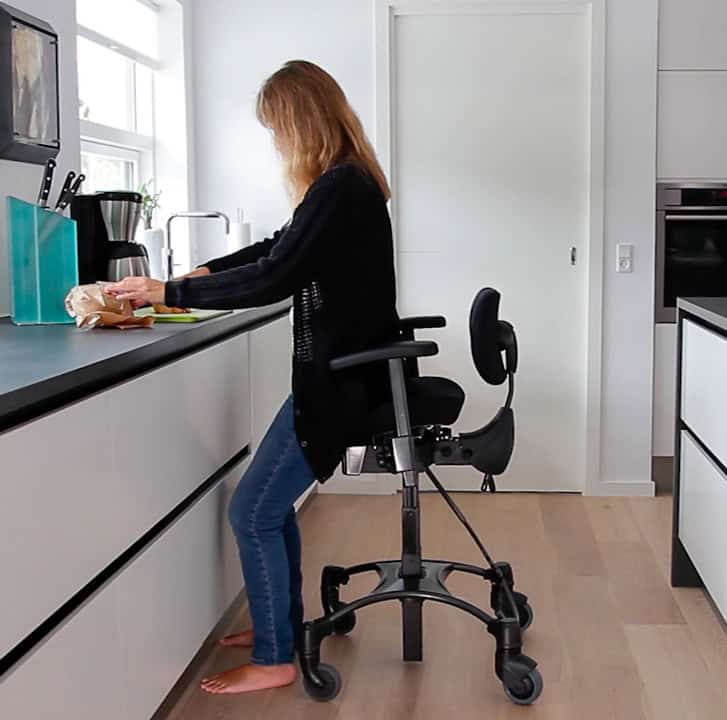
The challenges of nursing homes, such as impersonal atmospheres and rigid schedules, can make it difficult for seniors to maintain independence. As an alternative, aging in place with supportive solutions can offer greater freedom. Supportive seating for seniors, such as the VELA Independence Chair, provides a medically approved mobility solution designed for home use. This adaptive chair enhances safety and freedom of movement during daily activities like cooking, dressing, or transferring, all while alleviating the burden on informal caregivers.
Innovation in Assistive Technology: AI, Ergonomics, and Smart Home Integration
The landscape of assistive technology for senior care has rapidly evolved, with a strong focus on AI-powered solutions and advanced ergonomics. Modern assistive devices now increasingly incorporate artificial intelligence to enhance independence and safety for seniors with reduced mobility or disabilities. AI-powered smart glasses and wearable devices support navigation, object recognition, health monitoring, and real-time communication—helping users live more independently, while also reducing caregiver burden. Integrated AI assistants have shifted from standalone applications to seamless, real-time support, aiding with daily tasks like reading, scheduling, and managing health information (NextMSC; LetsEnvision).
Furthermore, advanced ergonomic designs have become increasingly central to the development of mobility aids including walkers, wheelchairs, and grab bars. These products now feature lightweight materials, customizable settings, and aesthetic integration into home environments, promoting both function and dignity (Seniorsite.org).
Another essential advancement is the emergence of brain health technologies—such as cognitive training apps and devices—which are used in residential care to support mental acuity, reduce anxiety, and lessen dependence. Smart home integration is also improving safety and convenience, allowing for automation of lights, security, and health monitoring, as well as emergency alerts tailored to residents’ needs. The market’s continued growth is propelled by these innovations and by increasing demand from an aging global population (SeniorsBlueBook.com; TheGoodLifeSV.com; OK2StandUP; ATIA; CES).
Fall Detection and Prevention: Addressing Critical Gaps
Falls remain a leading cause of injury among seniors, emphasizing the urgent need for reliable prevention technologies. Recent innovations include AI-driven fall detection and prevention solutions, which can significantly reduce not only the risk of major injury but also healthcare costs. These solutions commonly work alongside wearable medical alert systems and smart home features, automatically contacting caregivers or emergency services when needed and helping seniors age in place safely (OK2StandUP; SeniorsBlueBook.com).
Evaluating Care Quality: Essential Considerations
Ensuring high-quality care in residential settings involves several critical factors. A favorable staff-to-resident ratio, as offered by Graceful Living, is foundational. Additionally, caregiver certification and ongoing training are imperative to maintain high standards of care. Facilities must excel not only in safety and comfort features but also in creating welcoming and secure environments. Graceful Living’s high-quality care manifests through numerous success stories where tailored support allows residents to enjoy fulfilling and secure lives. The adoption of user-centered and inclusive technology design, combined with positive user feedback on advanced assistive devices, underscores the sector’s shift towards solutions that support dignity, independence, and quality of life (NextMSC).
Selecting the right senior care option requires understanding not just the services offered, but also how these services adapt and grow to meet individual needs. Local resources, such as the Oakdale Senior Center, provide valuable information to help families make informed decisions concerning elder care. These elements together assure families that their loved ones are in capable and caring hands.
In conclusion, Graceful Living Senior Care represents a forward-thinking approach to elder care, prioritizing personalized attention and dignity for every resident. Choosing such a specialized, supportive living environment can significantly enhance seniors’ well-being and quality of life, allowing them to age gracefully and independently. By focusing on individual needs and fostering a nurturing environment, Graceful Living sets a benchmark for the future of residential care.
How Mobility Solutions Like VELA Make a Difference
The VELA Independence Chair can significantly impact a senior’s ability to remain independent at home. Designed with safety and ease of movement as priorities, the chair features a central brake system, electric height adjustability, and smooth-rolling casters that allow users to perform everyday tasks like cooking, cleaning, and relaxing with confidence. This freedom reduces the physical demands typically placed on family members and caregivers, lessening their burden. With devices like VELA, seniors can enjoy life at home longer, postponing the need for nursing care. Though VELA is just one option among many, its design focuses on enhancing safety, energy conservation, and dignity at home. Mobility chairs for daily independence provide a practical and proven pathway to maintaining independence and grace in the comfort of one’s own living space.