

Updated September 2025: We have updated the article with the latest advances in assistive technology, including AI-powered wearables, smart home systems, and virtual healthcare for seniors. Recent Nevada state policy changes affecting Medicaid, caregiver selection, and structured family supports are also included, along with current recommendations for personalized, wellness-centered living environments.
Meeting Nevada’s Growing Demand for In-Home Senior Care
As Nevada’s elderly population surges, there’s an increased demand for “help at home senior care Nevada,” a service indispensable in supporting the independence of seniors who prefer aging in place. The preference to remain in the comfort of their own homes is particularly strong in urban areas such as Reno and Sparks. According to Elders Count 2023, Nevada’s senior population rocketed by 46% from 2011 to 2019, a stark contrast to the state’s overall growth of just 13.1%. Projections indicate this upward trend will persist, underscoring the critical need for robust, accessible home care solutions.
Navigating Nevada’s Elder Care Environment
Distribution and Services in Nevada
The geographical distribution of senior citizens in Nevada presents unique challenges for service delivery, especially considering that about 90% of the elderly population is concentrated in urban areas like Reno and Sparks despite the state’s largely rural geography. These urban centers are equipped with services such as personal care assistance, meal preparation, and companionship. For instance, Jane, a senior living in Reno, benefits from a personalized care plan that accommodates her daily tasks, allowing her to maintain an active social life and manage health appointments efficiently. As highlighted by the Nevada State Plan for Aging (2025-2029), strategic insights and planned expansions aim to facilitate these essential services across the state.
Recent legislative developments, including AB208 and AB259, have provided Nevada Medicaid recipients with expanded opportunities to select caregivers, including structured family caregiving supports. These laws require caregiver training and offer stipends, further empowering seniors and families to tailor care arrangements to individual needs. The Nevada Aging and Disability Services Division’s updated strategic plan (2025-2029) continues to strengthen long-term services and support, prioritizing inclusion, health promotion, and advocacy for seniors statewide.
Nevada Legislature – AB208 & AB259
Planning for the Cost of In-Home Support
Analyzing Financial Considerations
Financial planning is a pivotal aspect of preparing for home care, with costs in Nevada reflecting the national median of $33 per hour. According to A Place for Mom, resources like Independent Living Grants and VA benefits provide pathways to manage these expenses. Tom and his family in Sparks leveraged Independent Living Grants to ensure continuous care for their mother without financial strain. These financial tools enable families to bridge funding gaps effectively, ensuring ongoing care for their elderly members. With recent Medicaid legislative changes, Nevada families also benefit from increased flexibility in utilizing structured family caregiving supports and stipends, improving both the quality and affordability of in-home care.
Nevada Legislature – AB208 & AB259
Innovations in Home Care: Tools for Independence
Supportive Technologies
The integration of advanced supportive technologies plays a transformative role in enhancing seniors’ autonomy. Emerging tools now extend beyond traditional medical alert systems and mobility aids. Today’s seniors benefit from AI-powered wearables that continuously monitor vital signs, detect falls, and enable real-time data sharing with caregivers and healthcare professionals. Smart home systems are increasingly adopted to automate lighting, security, and environmental controls, tailored to meet evolving sensory and mobility requirements.
Virtual healthcare and telemedicine have become integral, improving access to medical care for seniors with mobility constraints. These connected solutions offer additional safety, comfort, and opportunities for interaction, supporting both independent living and caregiver peace of mind.
Cyces, AgeTech Trends 2025, Channel Point Village, Juniper Communities, Heisinger Bluffs
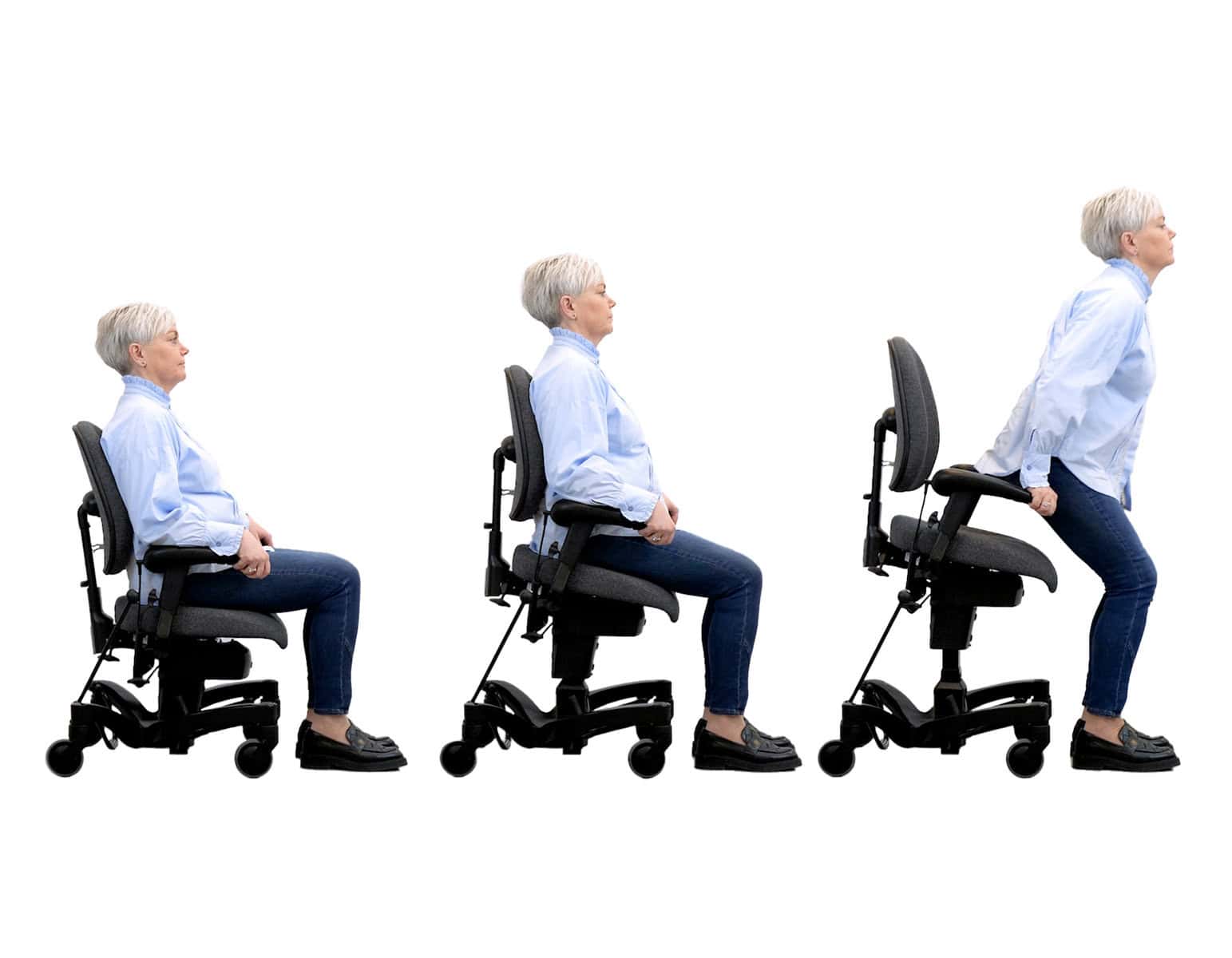
Transitioning from concerns about the limitations of nursing homes, solutions like the VELA Independence Chair offer a way to keep older adults independent in their own homes. This medically approved chair enhances safety and supports freedom of movement while seated. It aids everyday activities such as cooking, dressing, or transferring, alleviating the strain on informal caregivers, and thereby promoting a self-reliant lifestyle for seniors.
Strategic Planning for Elder Care Success
A close look at Nevada’s “help at home senior care” options highlights the importance of informed strategies supported by abundant resources and comprehensive state plans. The Nevada State Plan for Aging affirms this commitment, showcasing structured improvements in care services. With the integration of new technologies, ongoing caregiver training, and expanded Medicaid supports, Nevada is advancing inclusive and wellness-centered care environments. By aligning family needs with local resources, Nevada empowers seniors to thrive independently, illustrating the state’s dedication to its aging population.
Ultimately, Nevada’s elderly residents, supported by technological innovations and sensible financial planning, can confidently embrace aging at home, adapting to the evolving landscape of senior care services.
Supporting Aging in Place: A Practical Option
Tools like the Independence Chair for seniors exemplify how mobility solutions can extend the period seniors remain independent in their homes. The chair’s central brake system ensures stability, while its electric height adjustability allows for seamless transfers and tasks like reaching shelves. This enhanced mobility and safety can delay the need for residential care, preserving the dignity and autonomy of seniors. New ergonomic and inclusive product designs further enable seniors to personalize their home environment for sensory, cognitive, and physical comfort, supporting a wellness-centered lifestyle. Life with a VELA Chair offers the comfort of self-sufficiency, allowing seniors to engage in activities such as cooking and cleaning without excessive effort. This support not only benefits the individual but also eases the physical and emotional load on caregivers, making it a feasible choice for families seeking balance and longevity in home care. While not the only option available, VELA stands out as a thoughtfully designed solution that preserves the quality of life.
Juniper Communities