

Updated October 2025: We have updated the article with the latest insights on AI-driven, IoT-connected, and brain-computer interface-equipped assistive devices, recent advances in robotic and ergonomic mobility aids, as well as new policy, affordability, and user experience trends that are shaping integrated and holistic senior care today.
Holistic Senior Care: A Comprehensive Guide to Integrated Elderly Wellness
Holistic senior care embodies an all-around approach to improving elderly wellness by addressing physical, mental, emotional, and spiritual dimensions. With an increase in the aging population, there is a growing shift towards personalized and integrated care for seniors to preserve dignity and enhance quality of life. According to Village Shalom, addressing these multiple aspects of wellness can significantly improve health outcomes and overall satisfaction for seniors.
Understanding the Pillars of Holistic Senior Care
Holistic senior care revolves around four primary dimensions: physical, mental, emotional, and spiritual wellness. Each pillar plays a crucial role:
- Physical: Maintaining health through proper nutrition, exercise, and medical attention.
- Mental: Fostering cognitive health and mental acuity through activities like puzzles and educational pursuits.
- Emotional: Ensuring emotional expression and psychological support through regular interaction and therapy.
- Spiritual: Enabling connection to personal beliefs and values with access to religious or spiritual activities.
In practice, holistic senior care can be seen in senior living communities that integrate yoga, meditation, and social activities to promote well-being. For instance, communities like the one outlined by Greater Good Health offer diverse programs to ensure a comprehensive approach to senior wellness.
Enhancing Physical Health in Holistic Senior Care
Physical health is a cornerstone of holistic senior care. It involves:
- Personalized Nutrition: Planning tailored diet plans to meet unique dietary needs and preferences.
- Exercise Programs: Implementing gentle exercise routines, such as tai chi or water aerobics, that accommodate seniors’ mobility limitations.
- Alternative Therapies: Incorporating therapies like acupuncture and massage for pain management and stress relief.
Nurturing Mental and Emotional Well-being
Mental wellness is vital for aging individuals. Strategies for enhancement include:
- Cognitive Exercises: Activities such as memory games and workshops to maintain mental agility and counter cognitive decline.
- Mindfulness Practices: Techniques like meditation and guided relaxation to reduce stress and enhance focus.
- Emotional Therapies: Engaging in emotional expression activities, including art or music therapy, to foster emotional health.
Participating in community art classes has been shown to enhance cognitive function, as seen in seniors engaged in programs highlighted by Vista Springs Living.
Fostering Spiritual Enrichment and Social Connections
Spirituality and social engagement are often intertwined, impacting seniors’ quality of life:
- Spiritual Practices: Activities that respect and reflect personal beliefs, such as meditation groups or spiritual counseling.
- Social Activities: Organizing group outings and events like book clubs or exercise classes to foster companionship and community.
A senior center providing interfaith services and arranging various social events illustrates the importance of supporting spiritual and social dimensions in holistic care Serenity Living.
Enhancing Mobility and Independence
The field of assistive devices is evolving rapidly, highlighted by the integration of artificial intelligence (AI), Internet of Things (IoT), and brain-computer interfaces (BCI) into mobility solutions for seniors. Smart mobility aids today include autonomous wheelchairs with navigation systems, AI-powered hearing and vision devices, and interconnected platforms for real-time monitoring and remote customization. These innovations provide adaptive assistance based on user behavior, predictive navigation, health and environment tracking, and highly personalized device settings, substantially improving independence and safety while reducing caregiver burden[1, 2, 3].
Recent developments feature lightweight, ergonomic wearable robotics and BCIs that support mobility and sensory needs. IoT-enabled devices deliver proactive fall detection, remote monitoring, and medication management—capabilities especially important in home-based and post-pandemic care scenarios. The rise in user-centered, data-driven design also means rehabilitation professionals are frequently updating best practices and integrating these tools into everyday care, ensuring improved outcomes and greater satisfaction for both seniors and caregivers[2, 3, 4].
Governments in various regions, notably India and Singapore, are implementing affordability programs and streamlining the distribution of advanced assistive devices, making these new solutions increasingly accessible. Advances in 3D printing allow for highly customizable, comfortable, and cost-effective mobility aids—helping seniors of diverse backgrounds to maintain independence and dignity[3, 5]. These multi-functional solutions support everyday routines and reflect the latest in ergonomic design for energy conservation and ease of use.
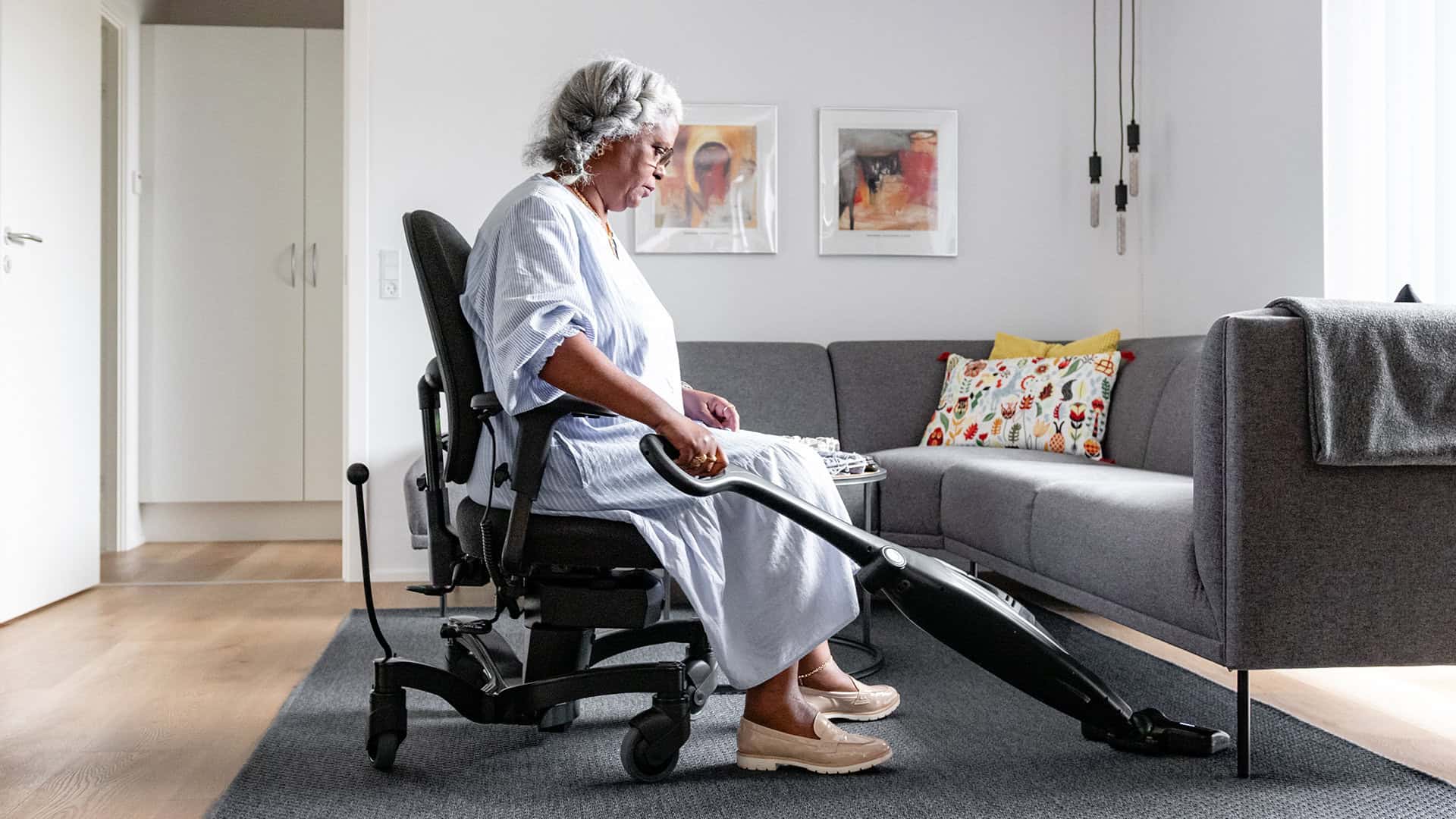
In addressing the limitations often found in conventional nursing homes, many seniors seek solutions that allow them to remain independent within their own residences. Maintaining this independence is paramount to preserving quality of life, dignity, and autonomy. The VELA Mobility Chair represents a viable solution, specifically engineered for home use. This medically approved chair enhances safety and freedom of movement while seated, supporting daily activities such as cooking, dressing, or transferring. It not only promotes greater independence but also reduces the burden on informal caregivers.
For more information, see Enhancing Independence at Home.
Supporting Aging in Place: A Practical Option
The trend toward aging-in-place is supported by innovative technology and improved policies. Home-based assistive solutions—such as smart-home controls, IoT-connected mobility aids, and real-time health systems—enable seniors to live longer and more safely in familiar environments. COVID-19 accelerated adoption of these devices and shifted best practices toward home-focused care models, including expanded access through government initiatives and community-based labs[2, 3, 5]. These changes are influencing regulatory and clinical guideline updates to foster easier device approval and integration into daily care plans.
Aging in place with mobility solutions like the VELA Chair can drastically improve seniors’ daily lives by fostering independence and security. Designed with features like a central brake for stability, electric height adjustability, and an ergonomic build, the VELA Chair allows seniors to perform everyday tasks with ease, whether it’s cooking, cleaning, or relaxing. This not only delays the need for transitioning to a nursing home but also enhances living standards by providing a safe and energy-saving tool for maintaining daily routines. The ability to move comfortably around the house while seated supports dignity and freedom. Although VELA is one of several options available, it stands out as a proven and practical aid in promoting well-being and reducing caregiver load while honoring the individual’s desire to live independently.
Future Outlook
The global assistive technology market for seniors is experiencing robust growth, with advances in AI, IoT, robotics, ergonomic design, and regulatory support making holistic care increasingly viable and accessible. Improved affordability and inclusive distribution ensure a wider reach for these solutions, while ongoing market expansion and clinical innovation indicate a future where personalized, smart assistive devices are fundamental to senior wellness programs worldwide[1, 2, 3, 5, 6].
References
- “Global Senior Mobility Aid Devices Market Trends 2025-2034,” Global Market Insights, 2025 [Link 1]
- “Assistive Technology Market Report 2025 (Global Edition),” Cognitive Market Research, 2025 [Link 2]
- “Disabled and Elderly Assistive Device Market Overview,” Next Move Strategy Consulting, 2025 [Link 3]
- “Assistive Technology and Independent Living for Older Adults,” PMC, 2025 [Link 4]
- “Geriatric Assistive Devices: Technology, Trends, Outlook,” iHealthcareAnalyst, 2025 [Link 5]
- “Disabled and Elderly Assistive Technology Market Size and Impact, 2025-2034,” Custom Market Insights, 2025 [Link 6]