

Updated January 2026: We have updated the article with the latest advancements in AI-powered assistive technologies, smart integration in mobility aids, wearable and remote health monitoring, AI-driven personalization for health and rehabilitation, voice-activated solutions for low-dexterity users, caregiver relief through remote data sharing, and integration of telehealth home care models to better address aging-in-place preferences and independence.
Supporting Aging in Place with Home Care Aids
As America’s population continues to age, the demand for home care aids for the elderly is escalating. By 2030, the U.S. Census Bureau projects that one in five Americans will be 65 years old or older, underlining the importance of evolving home care solutions. For this demographic, home care aids are crucial for promoting independence and ensuring safety within their homes. According to the National Council on Aging, there were approximately 57.8 million adults aged 65+ in the U.S. in 2022, underscoring the scale of this need.
What Are Home Care Aids for the Elderly? Definitions and Types
Home care aids serve as a fundamental component in enabling seniors to live comfortably and safely at home. They range from non-medical support, such as assistance with daily activities, to skilled medical care provided by licensed professionals. Non-medical assistance often involves everyday tasks like bathing, meal preparation, and housekeeping. For example, a senior who has limited mobility may utilize a caregiver to help with shopping and meal preparation, allowing them to maintain a greater degree of independence. According to NCH Stats, the home care industry continues to grow, addressing the varied needs of the elderly population.
Demographic Shifts and Their Impact on Elderly Home Care Needs
The United States is witnessing significant demographic changes with an ever-increasing elderly population. This shift brings heightened healthcare needs, especially given the prevalence of chronic conditions such as diabetes and dementia. As per the National Council on Aging, 90% of older adults have at least one chronic disease, highlighting the critical role of customized home care solutions. Families are increasingly faced with decisions about securing suitable care options for parents suffering from Alzheimer’s, aligning with both health needs and personal circumstances.
Practical Solutions for Age-Related Health Challenges at Home
Home care aids provide pragmatic solutions for seniors facing age-related health challenges. They play a vital role in aiding mobility and addressing cognitive impairments. Assistive devices like grab bars, walkers, and specialized chairs enhance safety and comfort, making daily tasks more manageable. An exemplary case involves Mrs. Thompson, a senior with mild dementia, who uses voice-activated smart devices for reminders and assistance, thereby elevating daily self-sufficiency. For more insightful data, visit SAGA Pixel.
Recent advancements in assistive technologies now feature AI-powered devices, smart home systems, and wearable health monitors, providing real-time support and safety. Modern mobility aids such as walkers and wheelchairs increasingly offer integrated smart features including fall detection, GPS, and AI-driven reminders. Wearables and sensors allow for proactive health monitoring, enabling predictive analytics to identify health trends and coordinate early interventions.[1][2][3][4][5][6] Lightweight robotic exoskeletons support gait training and muscle strength, while new voice-activated technologies help users with low dexterity more easily access support. Smart beds and chairs with connectivity features offer auto-emergency calls and caregiver alerts, enhancing safety further. Telehealth innovations, including hospital-at-home care with services like remote IV therapy and wound care, make it possible for a greater number of elderly individuals to remain in their homes safely. Inclusive, ergonomic, and highly customizable mobility aids—including affordable wheelchairs developed by new startups—reflect a major trend towards user-centric design. Surveys indicate that 94% of seniors want to age in place, with more individuals adopting fall detectors, remote monitoring, and other technologies to support independence at home.[1][2][3][4][5][6][7]
Navigating the Costs of Elderly Home Care: A State-by-State Guide
Understanding the financial implications of home care is a crucial factor for families arranging elderly care. Costs can vary widely based on state and agency, with a national median cost of approximately $33 per hour for non-medical in-home care, as detailed by A Place for Mom. For instance, states like California and New York have higher costs, averaging $43 per hour, whereas others like Texas might fall closer to $24 per hour. Many families explore financial aid options, such as Medicare and Medicaid, to mitigate these expenses. An example is the Johnson family in California, who reviewed budgeting options for in-home care, focusing on both quality and affordability.
The policy and insurance landscape for home care is also evolving, with increased support for home modifications and a broader range of assistive technologies now covered by insurance plans. This expansion improves access to essential devices and upgrades that allow seniors to remain safely and comfortably at home. Regulatory shifts are also supporting mainstream adoption of remote monitoring, AI-powered solutions, and telehealth models, making these technologies more accessible to families.[2][4][5][6]
Transition to VELA Integration
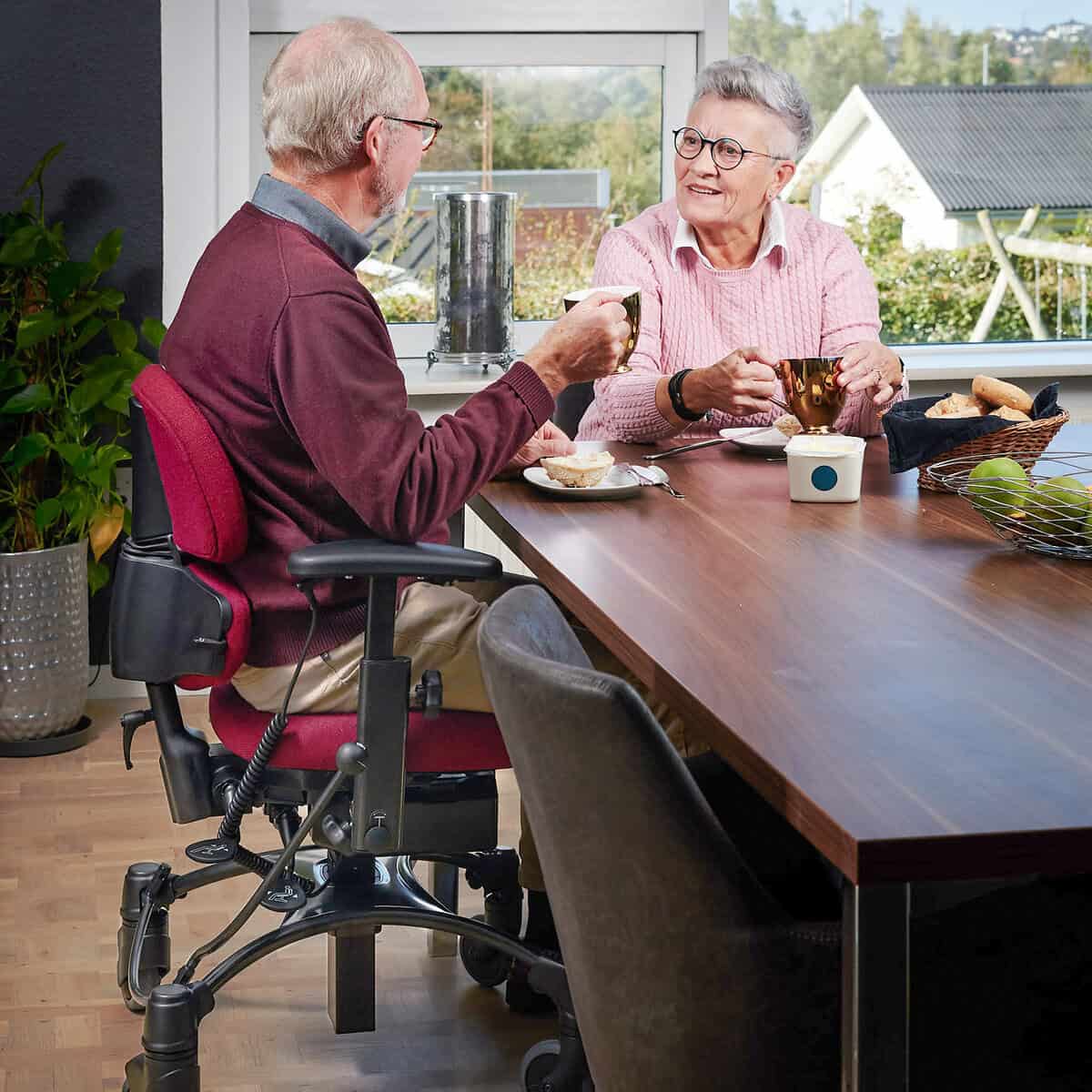
Transitioning from traditional nursing home care to more personalized solutions at home not only respects the desire for independence among seniors but also addresses the unique challenges they face within familiar environments. Supporting older adults to remain in their own homes safely hinges on solving mobility issues that often lead to tragic falls or dependency on others. One innovative option enhancing this independence is the VELA chair. Medically approved and designed for home use, the VELA chair offers heightened safety, the ability to move freely while seated, and critical support for daily activities like cooking, dressing, and transferring. Its features reduce the burden on informal caregivers and promote a dignified, self-reliant lifestyle for seniors.
The integration of smart home ecosystems, AI-powered sensors, and remote monitoring complements modern mobility products like VELA, providing seamless safety, social engagement, and health support for elderly users. Telehealth and AI-driven systems now deliver predictive health insights and reassurance to both users and caregivers via remote data sharing, further improving independence and reducing caregiver workload. These combined solutions make it increasingly possible for seniors to age safely and independently in place.[1][2][3][4][5][6][7]
As the American population ages and the need for home care aids for the elderly grows, these services continue to play an essential role in ensuring seniors can age with dignity and independence at home. According to McKnight’s Home Care, about 70% of individuals aged 65+ will need some form of long-term care during their lifetime. By leveraging personalized care, assistive technologies, and strategic financial planning, families can ensure the best possible outcomes for their elderly loved ones.
This comprehensive overview underscores the importance of well-rounded home care strategies and solutions tailored to the unique needs of the aging population, ensuring their comfort, safety, and happiness at home.
Mobility solutions like the VELA Chair represent a practical approach for seniors striving to maintain independence at home. With features that enhance safety, such as a central brake for stability and ease of movement while seated, these chairs directly address common problems faced by the elderly, including fall risks and energy conservation during daily activities. Electric height adjustability further facilitates tasks like cooking and reaching items safely. By providing such targeted support, VELA Chairs can significantly delay the need for nursing home care, allowing seniors to enjoy the dignity and freedom of their homes longer. While VELA is just one option, it exemplifies how smart seating can ease caregiver burdens and promote self-sufficiency. Learn more about these benefits on Mobility Aids for Elderly.
Sources
- MyCareConcierge, “How Technology will Transform Senior Care in 2025” – insights on telemedicine, wearables, and AI integration in eldercare (2025-02-24)
- ButterflyMX, “Senior Living Technology Trends 2025” – covering AI predictive analytics, telehealth, and remote monitoring adoption in senior care (2025-07-11)
- NextMSC, “Disabled and Elderly Assistive Device Market 2025–2030” – market growth, AI-powered smart glasses, affordable customizable wheelchairs (2025-05-20)
- U.S. News & World Report survey summary, “94% of Seniors Want to Age in Place” highlighting assistive tech adoption and policy trends (2025-07-14)
- BCC Research, “Disabled and Elderly Assist Technologies Market Analysis” – market size projections, competitive landscape, technology reviews (2025-01-01)
- Let’s Envision blog, “The Future of Assistive Technology & AI Assistants in 2025” – detailed AI assistant capabilities improving accessibility, especially for vision-impaired users (2024-12-28)
- Market.us, “Assistive Technology Statistics and Facts (2025)” – comprehensive global market stats, including mobility aid market size and regional trends (2025-01-14)
- AANP: Top Five Health Care Trends for 2026 – Nurse practitioner-led insights on wearables, AI, and healthy aging (2026-01-15)
- AgeInPlaceTech: AI and Older Adults in 2026 – Analysis of AI adoption for self-care amid caregiver shortages (2026-01-20)
- LeadingAge: Trends in Senior Care Technology – Institutional overview of in-home tech for independence (2026-01-05)