

Updated January 2026: We have updated the article with the latest advancements in AI-powered mobility aids, smart walkers with gait-monitoring sensors, predictive fall detection technologies, modular seating and pressure-relief systems, voice-activated smart home integration, and app-based safety features in elderly home care. This update reflects 2026 trends in assistive devices, home automation, and proactive fall prevention.
Understanding the rising need for home care for the elderly
As the demand for home care for elderly individuals continues to rise, families across the nation are seeking reliable, personalized solutions to help their loved ones age comfortably within their homes. This trend is underscored by a striking statistic: approximately 70% of older adults will require some form of care during their lifetime, according to the National Council on Aging. With the U.S. elderly population projected to swell to 71.4 million by 2029, the need for effective home care services is more crucial than ever McKnight’s Home Care.
Rising demand: why home care services are essential
The aging baby boomer generation significantly influences the growing necessity for home care services. As more individuals enter their senior years, families often find themselves balancing their lives while caring for aging parents. Home care services provide vital support, allowing elderly individuals to maintain their independence and reducing the strain on family caregivers. For example, imagine the Smith family, comprising two working parents who struggle to manage their busy schedules while providing consistent care for an elderly parent. Integrating home care allows the Smiths relief, ensuring their loved one receives professional attention and personalized care at home McKnight’s Home Care.
The role of technology in modern home care
Technological advancements have revolutionized home care, enhancing the quality and efficiency of services provided. The field now features advanced smart mobility aids. For instance, smart wheelchairs now include AI-based navigation, real-time health monitoring, adaptive seating, modular pressure-relief cushions, and both voice and touch controls to improve independent mobility and user safety James Medical Universal Health Products. Power-assist add-ons, such as the WheelMove device launching in 2026, enable easier propulsion for manual wheelchair users, offering an upgrade path without requiring a completely new device Mobility Management. All-terrain AI wheelchairs like the XSTO X12 are now designed for navigating stairs and slopes, greatly expanding independence and access.
Walkers and rollators have seen significant improvements, incorporating smart sensors for gait monitoring, GPS tracking, and AI-powered alerts for potential instability or falls. Predictive fall detection wearables analyze movement and gait patterns in real time, alerting caregivers before a fall occurs AllSeniors.org McKnight’s Home Care. Walkers also continue to feature neurological support technologies such as rhythm metronomes, vibration cues, and laser guides for conditions like Parkinson’s disease.
Home safety enhancements now leverage voice-activated smart home systems, allowing elderly and caregivers to control lights, thermostats, and alarms with simple commands. Smart video doorbells, connected smoke and carbon monoxide detectors, and motion-activated lighting work together with mobility devices to reduce fall risks and improve emergency response University of Florida, Online Aging Institute AllSeniors.org. Advanced stairlifts and chair lifts now feature app-based controls and obstacle detection for added accessibility and security Universal Health Products.
Recent ergonomic and modular design improvements in grab bars, mobility aids, and seating systems focus on adjustability, pressure management, and user-specific comfort. These enable caregivers and therapists to adapt equipment as needs evolve, improving rehabilitation outcomes and user quality of life SeniorSite.org Universal Health Products. Rehabilitation guidelines now emphasize expert personalized fitting, ongoing monitoring, caregiver alert options, and smart app integration for safety and support McKnight’s Home Care.
Telehealth-compatible monitors and remote customization via mobile apps further reduce the need for hospital visits, allowing elderly people to manage chronic conditions proactively and safely from home. Recent evidence confirms these devices’ ability to prevent falls and injuries, improve safety, and promote aging in place AllSeniors.org James Medical. Market data also highlights a strong demand from caregivers for modular, upgradeable equipment that can be configured for ongoing changes in user condition and home environment AllSeniors.org.
Consider the case of Joan, a 78-year-old with chronic heart failure. By using telehealth monitoring, Joan’s caregivers can catch early warning signs and successfully prevent potential hospitalizations—a significant advancement in modern elderly care. In addition to health monitoring, the introduction of integrated smart home technologies—including smart smoke detectors, motion-activated lighting, and video doorbells—combined with modern mobility aids further reduces accident and fall risks for elderly individuals wishing to age in place University of Florida, Online Aging Institute.
Navigating the financial landscape of home care
Understanding the financial aspects of home care is essential for families. Costs can vary widely based on the type of care and service levels required. Medicare and Medicaid are often instrumental in mitigating these expenses. For example, the Programs of All-Inclusive Care for the Elderly (PACE) enable families to sustain home care for loved ones who might otherwise require nursing home care America’s Health Rankings. Market trends show that global demand for assistive devices and technology in home care continues to grow, driven by aging populations and increasing government support for community-based elder care, which may include insurance coverage or subsidies for smart mobility and safety devices iHealthcareAnalyst.com GlobeNewswire. A notable success story involves the Johnsons, who used long-term care insurance to ensure their elderly parent received consistent, quality home care without financial worries.
Locating quality home care services in your area
Finding the right home care services involves utilizing available resources effectively. The Department of Health & Human Services’ Eldercare Locator is a valuable tool for families seeking local home care providers Massachusetts Government. Through this resource, one family navigated local directories and successfully found a reputable provider that offered personalized care for their grandmother’s needs. By researching and using these tools, families can secure high-quality home care tailored to their unique situations.
Enhancing independence with VELA mobility chairs
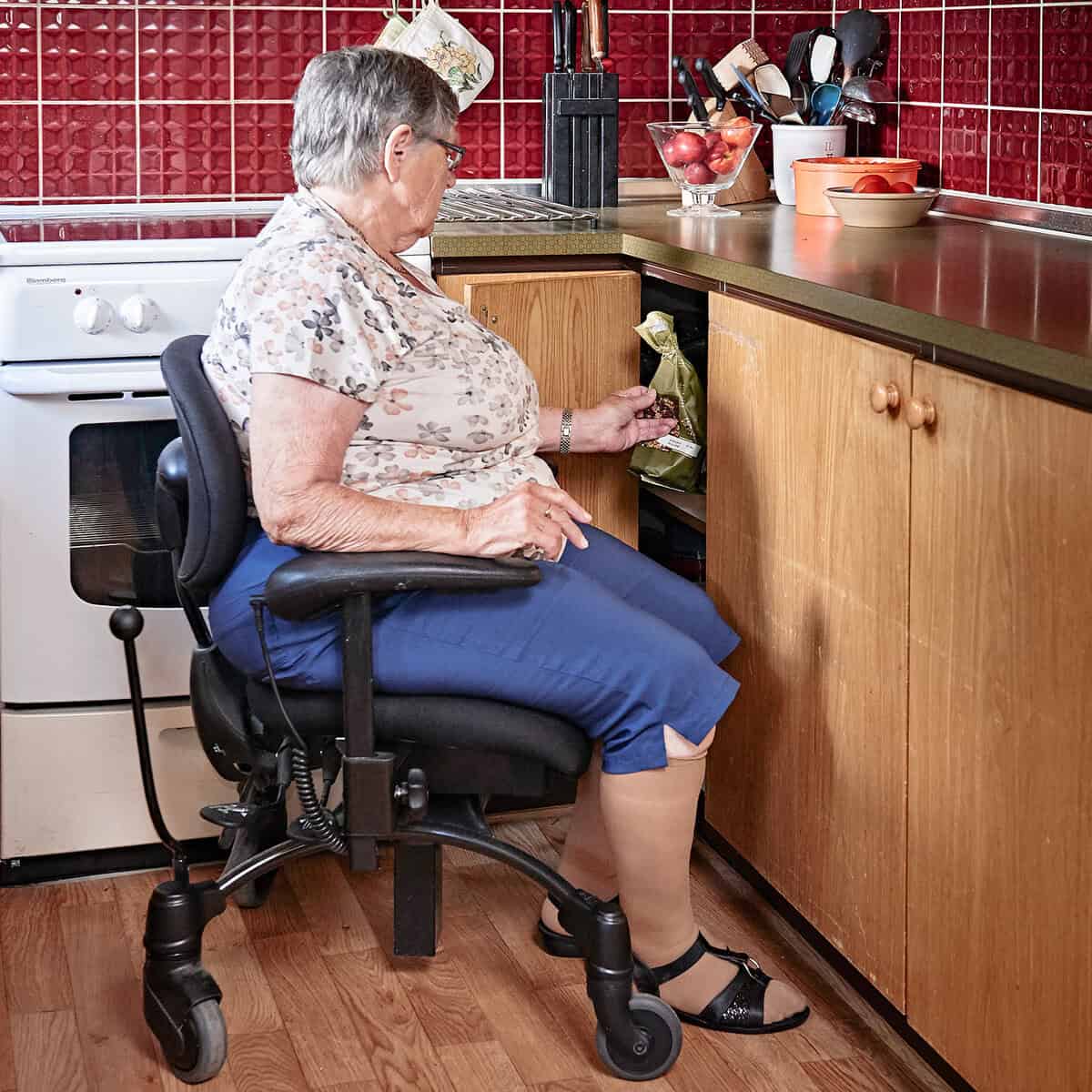
For individuals who prefer to stay out of nursing homes, maintaining independence at home becomes a critical focus, especially with the challenges associated with aging. To support this need, families and caregivers are looking for practical solutions that assist older adults in living independently and safely in their own homes. The VELA Independence Chair is an example of such a solution. This medically approved mobility chair is designed specifically for home use, providing enhanced safety and freedom of movement while seated. It supports daily activities like cooking, dressing, and transferring, all while reducing the physical demands placed on informal caregivers. Ergonomic innovations, customizable modular seating, pressure-relief cushions, and lightweight, durable materials now offer improved comfort, reduced strain, and adaptation to evolving needs, in line with the latest standards for assistive equipment Amada Senior Care Seniorsite.org Universal Health Products.
Emphasizing the importance of comprehensive home care
In conclusion, the landscape of home care for the elderly is ever-changing, driven by demographic shifts, technological advancements, and evolving financial programs. Recent years have brought AI-powered, adaptive mobility aids, modular ergonomic systems, predictive fall analytics, app-enabled safety features, and integrated home automation into the mainstream, reflecting the growing emphasis on personalized, effective support. As families face these challenges, understanding available resources, integrating innovative technologies, and ensuring comprehensive care solutions become paramount. As we emphasize such solutions, drawing from resources like the Executive Office of Aging & Independence, it is clear that the future of home care depends on effective coordination between families, care providers, and the evolving tools designed to support aging in place. By doing so, elderly individuals can continue to enjoy the independence, safety, and quality of life they deserve.
Frequently asked questions about home care
-
What services do home care providers typically offer?
Home care services typically range from personal care (bathing, dressing, medication management) to household assistance (meal preparation, light housekeeping) and companionship. Some providers also offer skilled nursing care for those with medical needs. -
How do I determine what level of care my elderly loved one needs?
Start with a comprehensive assessment by a healthcare professional. Many home care agencies offer free initial assessments to evaluate needs and recommend appropriate services. -
Can I combine home care with other senior services?
Yes, many families create a hybrid care approach that might include adult day services, meal delivery programs, transportation assistance, and in-home care to create a complete support system. -
What qualifications should I look for in home care providers?
Look for providers who are licensed, bonded, and insured. Ask about caregiver training, background checks, supervision protocols, and whether they have experience with any specific conditions your loved one may have.
By understanding these key aspects of elderly home care, families can make more informed decisions when seeking appropriate care solutions for their aging loved ones.
How mobility solutions like VELA make a difference
Mobility solutions like the VELA Chair can be transformative for individuals aiming to remain independent at home. With its focus on safety and practical functionality, the chair offers features like a central brake for stability, electric height adjustability for ease of transfers, and freedom of movement for daily tasks. These benefits not only reduce the risk of falls, a prevalent concern in elderly care VELA Fall Prevention Solutions, but also help conserve energy for individuals, allowing them to participate fully in activities like cooking or relaxing without excessive strain.
In addition to specialized chairs, the latest assistive devices now include AI-enabled adaptive wheelchairs, modular and ergonomic mobility aids, power-assist kits such as WheelMove for manual wheelchairs, walkers and rollators with smart sensors and neuro-support technologies, and grab bar systems designed for both safety and aesthetics in the home. These solutions now integrate real-time alerts and predictive analytics to further reduce fall risks and enable proactive intervention by caregivers James Medical SeniorSite.org Amada Senior Care AskSamie Mobility Management AllSeniors.org Universal Health Products McKnight’s Home Care. While many solutions exist for aging at home, the VELA Independence Chair stands out for its ability to significantly delay the need for nursing home care, offering dignity and autonomy for users and a lighter burden for caregivers.
Additional sources:
- Amada Senior Care: “What are the latest innovations in mobility aids for seniors in 2025?”
- Everything Medical Online: “The Latest Trends in Mobility Aid Technology for 2025”
- iHealthcareAnalyst.com: “Global Elderly and Disabled Assistive Devices Market”
- Seniorsite.org: “15 Best Assistive Devices for Elderly [Tested & Rated]”
- University of Florida, Online Aging Institute: “Assistive Technology Devices: Helping Seniors Age In Place”
- Asksamie.com: “Innovative Assistive Technology For Seniors in 2025”
- James Medical: “Smart Wheelchairs: Features to Look for in 2025”
- AskSamie: “The Best Assistive Technology for Aging in Place: A Caregiver’s Guide”
- GlobeNewswire: “U.S. Assistive Technologies for Older Adults Market Report”
- Mobility Management: “CES 2026: 4 Assistive Technology Exhibitors to Watch”
- AllSeniors.org: “Top Home Medical Equipment for Senior Care in 2026-2027”
- Universal Health Products: “Top Mobility Trends for 2026”
- McKnight’s Home Care: “Assistive Aging Technology Trends to Watch in 2026”