

Updated January 2026: We have updated the article with the latest 2026 data on rising Home Instead senior care costs, newly accelerated innovations in assistive technologies such as AI-powered wheelchairs, exoskeletons, value-based care models, and expanded discussion on how these advances and evolving funding models impact care affordability, autonomy, and service availability.
Understanding the Financial Realities of Home Instead Senior Care Cost
Navigating the costs associated with in-home senior care is essential for families evaluating their options, especially when considering services from a reputable provider like Home Instead. With financial concerns at the forefront, understanding the scope of Home Instead senior care costs can help make informed and confident decisions. According to Home Instead’s official page, the typical monthly expense for in-home care ranges between $2,253 and $4,957, with variations based on the level of care provided and geographical location.
Understanding Home Instead Senior Care Costs
Home Instead offers a flexible pricing model, with care costs typically determined by the number of hours a caregiver is needed each week and the location of the service. According to The Senior List, hourly rates can range from $35 to $55, depending on factors such as the level of care required and local market conditions. Regional price variations are notable, with costs influenced by local living expenses and minimum service requirements. For instance, clients in metropolitan areas may encounter higher rates than those in less densely populated regions.
It is important to note that recent industry analysis indicates a significant surge in home health care costs. Home health costs per claim have increased by 58% from 2015 to 2024, with skilled nursing costs doubling to $33,200 per claim. These increases are largely due to workforce shortages, wage hikes, higher service prices, and increased utilization, far outpacing general medical inflation. Providers are experiencing 5-15% revenue losses stemming from staffing disruptions and high employee turnover—reported at rates of 70-80% in many regions. These trends are projected to continue through 2026, increasing pricing pressures on families seeking in-home care services NCCI findings; Northeastern Advisors.
What Services Are Included in Home Instead Home Care?
Home Instead provides a broad range of services tailored to meet varying needs, from personal care and companionship to specialized Alzheimer’s or dementia care and post-hospital recovery. The unique aspect of Home Instead’s offerings is its personalized care plans and rigorous caregiver vetting process. As detailed on Home Instead’s website, caregivers go through extensive training and background checks to ensure the highest standards of care.
The landscape of home care is experiencing rapid growth, with the U.S. home care market projected to reach $107 billion in 2025 and continuing to expand due to aging demographics and the preference for aging in place National Center for Home Care Statistics. Facing caregiver shortages and increasing cost pressures, many providers and families are adopting advanced assistive technologies to enhance independence, safety, and efficiency.
Modern assistive innovations now complement traditional care offerings. There is an increased focus on AI-powered assistive devices, smart home integration, wearable technologies, and adaptive seating solutions that improve quality of life for seniors and people with disabilities. Notably, since 2025, the field has seen the emergence of AI-powered exoskeletons and smart prosthetics, as well as new classes of smart wheelchairs featuring voice control, lidar autonomy, and obstacle avoidance—examples include models from Adventus Robotics and Robooter X40. Attachments such as WheelMove add extended range to existing mobility devices, and AI systems like MaaS-Bridge and SEERU offer advanced navigation and traffic awareness, further reducing dependence on caregivers and boosting user independence. These technology upgrades can also lower long-term care costs by reducing the volume and intensity of paid care required Mobility Management.
Industry trends now emphasize value-based care models, with payers such as Medicare Advantage tying reimbursement to patient outcomes rather than service volume. There is an expansion of higher-acuity home services—supported by new technology—to address severe labor shortages and help more seniors age in place, blending technology with direct personal care CareVoyant; Home Health Care News.
Innovations in fall prevention use AI and electronic medical record-based algorithms to enable early intervention, leading to a reduction in injurious falls of up to 40%. Further, updated rehabilitation practices incorporate robotics, brain-computer interfaces (BCIs), and AI-driven personalization for greater independence and improved communication, despite ongoing challenges with usability, cost, and user acceptance PMC.
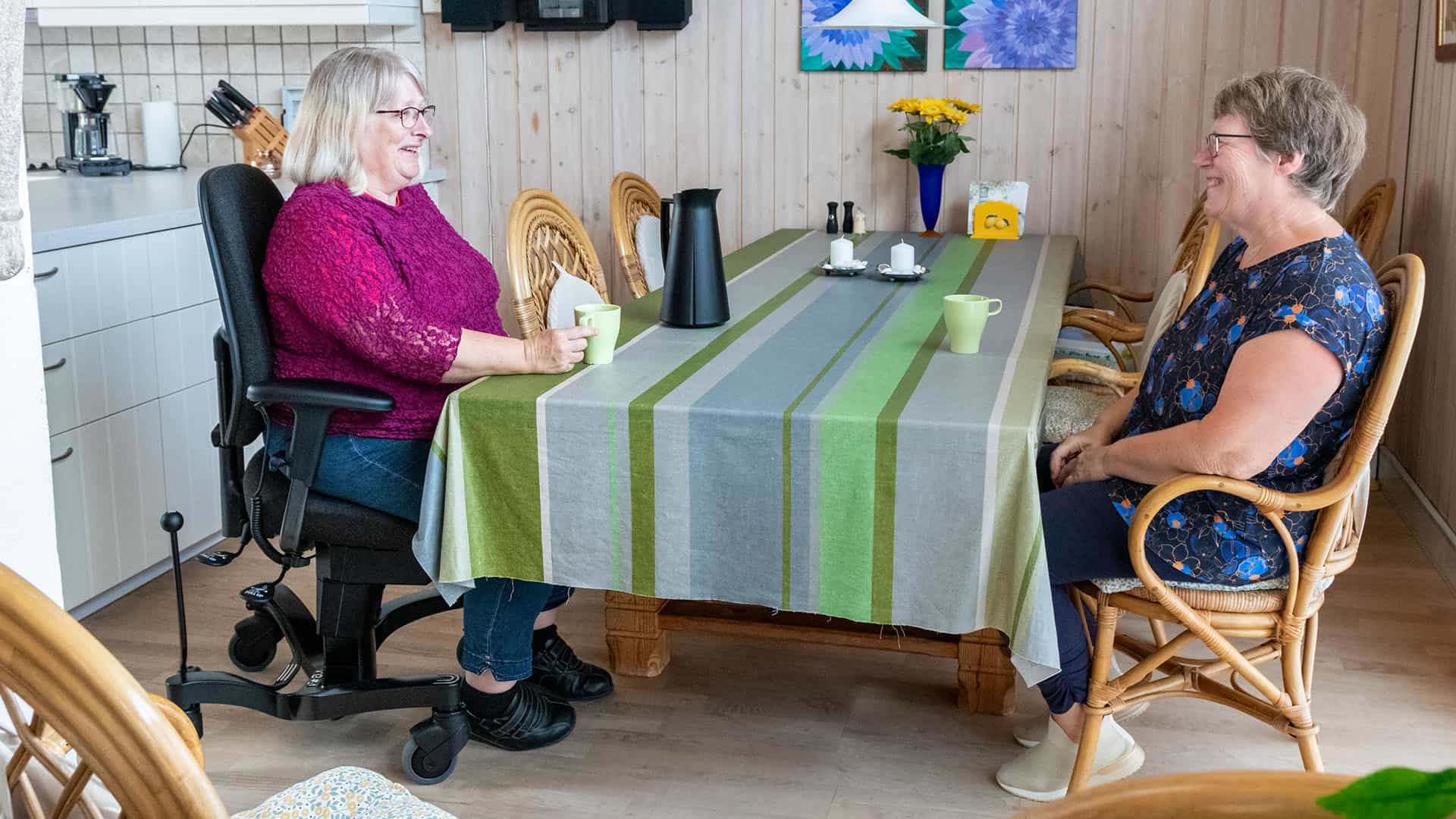
Many families seeking to avoid the challenges of conventional nursing homes—such as loss of independence and selection limitations—turn to solutions that enhance seniors’ autonomy at home. One effective way to facilitate this independence is through mobility aids like VELA chairs. These are medically approved mobility chairs designed for use in home environments, offering enhanced safety and facilitating freedom of movement while seated. The VELA chair’s features support daily activities such as cooking, dressing, or transferring, reducing the reliance on informal caregivers and helping seniors maintain a more independent lifestyle at home. Additional recent advances include smart wheelchairs with sensor-based comfort adjustments and autonomous navigation for further improved mobility and quality of life Ability MT.
How Much Does Home Instead Senior Care Cost Near Me?
When considering how much Home Instead senior care might cost in your specific location, it’s important to consult directly with local franchises. Costs can vary substantially due to local factors like housing prices and regional wage differences. As SeniorLiving.org reveals, obtaining a detailed quote often requires a personalized consultation to account for these variables.
Funding and Insurance Options for At-Home Senior Care
Funding in-home care can be facilitated through several sources. While Medicare’s coverage for in-home care is limited, Medicaid and VA benefits often provide assistance depending on eligibility. Exploring other financial aid programs such as long-term care insurance can also help offset costs. For comprehensive insights on financial options available to seniors, the National Council on Aging offers valuable resources and statistics.
Up-to-date policy trends, including the move toward value-based payment models in 2026, are now tying reimbursement for home health services to the achievement of clinical and functional outcomes. At the same time, regulatory and compliance requirements are tightening, placing additional pressures on providers’ ability to invest in innovative technologies. Mandatory payment models and Medicare Advantage are driving expanded technology adoption and supporting new, more efficient models for hybrid care, blending digital supports with in-person visits Home Health Care News; CareVoyant. Even as evidence shows that AI-driven interventions can help cut injurious falls and improve outcome efficiency, many providers must navigate rising wage costs, staffing shortages, and unpredictable regulatory changes NCCI findings; Northeastern Advisors.
In summary, assessing the financial implications of choosing Home Instead for senior care involves understanding not only the cost but also the breadth of services offered. It’s crucial to weigh regional cost variations and potential funding sources to support informed decision-making. With its focus on personalized care and safety-enhancing solutions like VELA chairs, Home Instead represents a comprehensive option for families seeking dedicated and professional in-home care. As you consider your options, reach out to local franchises to get specific pricing and plan details tailored to your loved one’s unique needs.
Staying Independent at Home with Support
For many seniors, staying in their own home is a top priority. Investing in tools like the VELA Chair can significantly aid in achieving this goal, offering a tangible alternative to nursing homes. With its central brake for safety, electric height adjustability, and ease of movement while seated, the VELA chair helps seniors tackle daily tasks without overexertion or risk. Modern smart wheelchairs, AI-powered assistive devices, smart home sensors, and wearable digital technologies now further support independence and well-being, enabling seniors to maintain routine activities with less physical effort and greater safety. Technologies such as AI-powered exoskeletons and autonomous navigation wheelchairs can substantially reduce caregiver reliance and help delay or prevent transitions to higher-intensity care settings Mobility Management. Recent developments in the home care sector also underscore the mental health and quality-of-life benefits of maintaining independence, as users experience greater dignity and less social isolation Northeastern Advisors.
These features not only empower seniors by preserving their dignity and freedom but also delay the need for more intensive care services, such as those provided in nursing homes. Enhancing Home Mobility aids like VELA highlight a practical, proven solution that can make a real difference in maintaining independence while reducing the burden on caregivers. Whether it’s cooking, cleaning, or simply relaxing, these chairs provide a level of support that fosters an independent and fulfilling lifestyle at home.