

Updated September 2025: We have updated the article to include the latest advancements in assistive technology for senior mobility and independent living. This includes coverage of AI-powered smart wheelchairs, intelligent ergonomic solutions like pressure-sensing seats, brain-computer interfaces for prosthetics, AI-enabled assistive eyewear, developments in autonomous navigation, new regulatory strategies for equitable access, and recent trends in funding to increase affordability of advanced assistive devices.
The Importance of HomeLife Senior Care in Meeting the Needs of an Aging Population
As the population in America ages, the demand for personalized in-home care services continues to grow. According to Centers for Disease Control and Prevention (CDC), by 2060, nearly 1 in 4 Americans will be 65 years and older; many will require some form of home-based care. This escalating need highlights the critical role of services like HomeLife Senior Care. Based in Brentwood, HomeLife Senior Care offers non-medical and personal care services that assist seniors in preserving their independence and dignity at home.
Understanding HomeLife Senior Care and Its Approach
HomeLife Senior Care distinguishes itself by emphasizing in-home care over traditional residential care models. Unlike facilities that house numerous residents, HomeLife provides personalized in-home assistance tailored to the specific needs of each senior. Their caregivers offer essential day-to-day support and serve as companions to their clients. This approach aligns with California’s rigorous standards, as asserted by the California Department of Social Services (CDSS), which requires all Home Care Organizations and aides to be licensed and pass background checks, ensuring high safety and quality standards.
Real-world experiences with HomeLife Senior Care confirm the success of this approach. Personalized care plans have feasibly enabled seniors with mobility challenges to regain control of their daily routines, as evidenced by user reviews on Caring.com.
Profiling the Typical Home Care Client
The typical clientele of HomeLife Senior Care includes individuals aged 65 and older, many managing health conditions such as Alzheimer’s, dementia, and chronic illnesses like diabetes or heart conditions. According to the Journal of the American Geriatrics Society, personalized home care can reduce hospitalizations among older adults significantly, promoting overall well-being and stability.
Unique Benefits of HomeLife Senior Care Services
HomeLife Senior Care offers several exclusive benefits, including personalized care planning and a dedicated employee caregiver model, with a strong emphasis on memory care. Accreditation and ongoing training for caregivers are integral to their service model, ensuring clients receive informed, compassionate care. Dr. Jane Hildebrand, a prominent geriatrician, emphasizes, “Effective caregiver training and continuous personal connection are essential for quality home care outcomes.”
Client stories highlight these benefits, showing that seniors receiving memory care services often enjoy improvements in cognitive engagement and quality of life, thanks to HomeLife’s structured training programs.
The agency consistently receives positive feedback for its tailored approach and robust support network.
Integrating modern assistive technology for better mobility outcomes
Recent developments in assistive technology have transformed the landscape of mobility and independence for older adults. Modern solutions now go beyond traditional aids to feature smart, AI-powered mobility devices such as intelligent wheelchairs with GPS navigation, automatic braking, and real-time health monitoring. These advanced wheelchairs adapt to user behavior, allow for customization through mobile apps, and provide features like voice control and Bluetooth connectivity, significantly elevating safety and independence for seniors and their caregivers Everything Medical Online Ability Montana Think Beyond the Chair.
In addition, ergonomic advancements like seat pressure sensors are now integrated into smart wheelchair systems, providing automatic seating adjustments to reduce pressure sores and enhance comfort for seniors with limited mobility ATOB Journal. Semi-autonomous navigation using lidar and other sensor technology enables assistive devices to move independently within the home, supporting those with pronounced motor impairments.
Assistive technologies now also include innovations such as brain-computer interface (BCI) controlled prosthetics that react to neural signals, giving users natural, intuitive movement and control. AI-powered smart glasses provide seniors with visual impairments real-time environmental descriptions, object recognition, obstacle detection (even at head height), and text-to-speech functions, enhancing both spatial awareness and daily safety PubMed Central ATOB Journal World Health Organization.
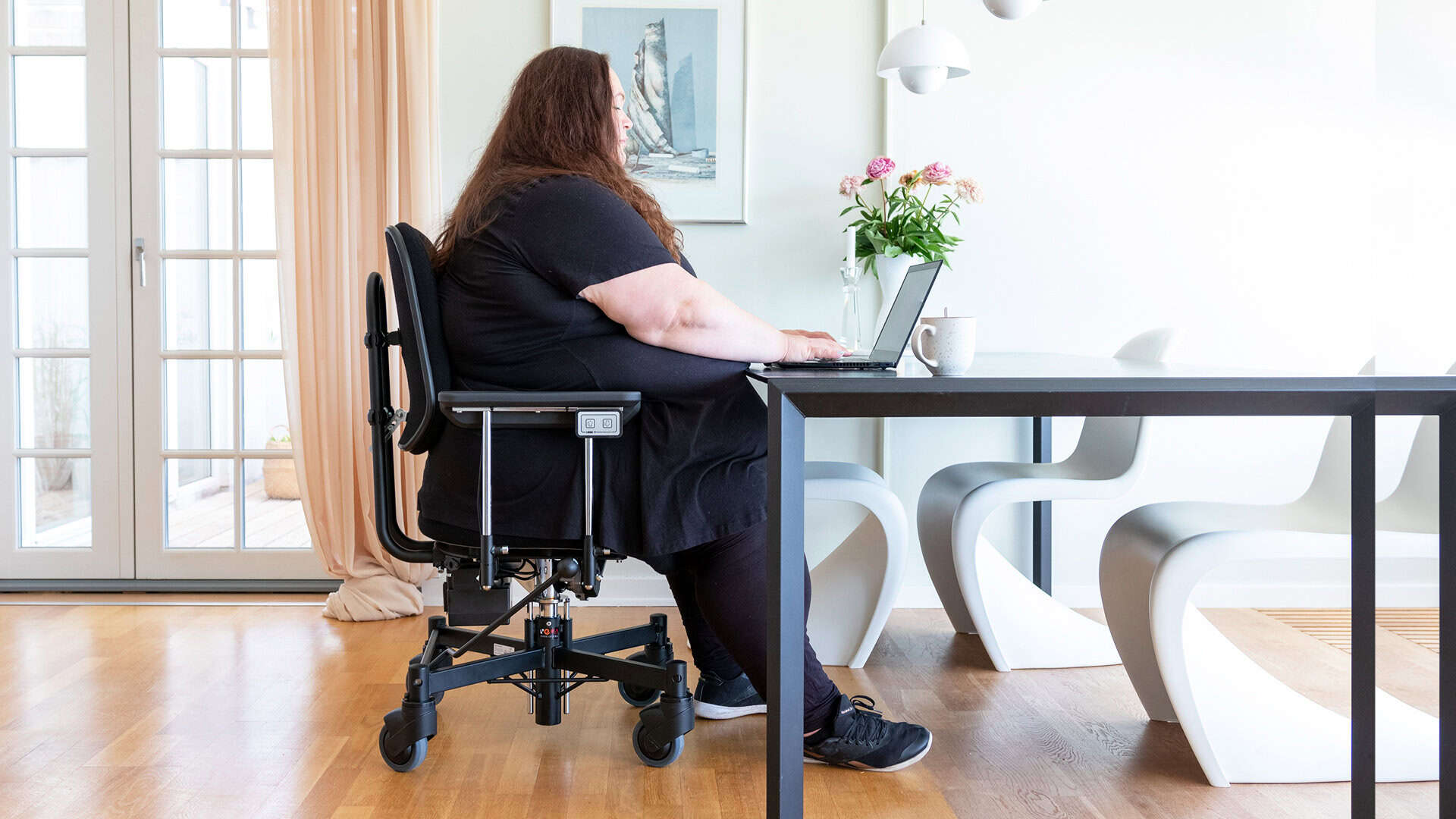
While traditional nursing homes often struggle to provide personalized attention and the comforts of home, solutions like VELA chairs empower older adults to stay independent within their own homes. VELA chairs remain a valuable option for enhancing seated mobility and independence in the home, providing medically approved ergonomic support. By integrating such cutting-edge options alongside intelligent mobility aids, services like HomeLife Senior Care can further promote client safety, comfort, and autonomy during daily activities. For more information, explore senior chairs designed for home safety and independence and helpful seating solutions for seniors living at home.
Costs of Home Care and Factors Influencing Pricing
Understanding the cost of home care is essential for families making decisions. Pricing for HomeLife Senior Care starts from $25 to $38 per hour, depending on care intensity and location. Medicare coverage options exist under specific conditions, such as for skilled nursing or physical therapy, as outlined on Medicare.gov. New trends highlight growing financial support from charitable foundations and government programs that help increase accessibility to advanced assistive devices, lowering the cost barrier for high-tech mobility upgrades and smart technology for older adults Ability Montana. Testimonials from clients often associate cost with value, noting the peace of mind, safety, and improved living conditions that substantiate the investment in comprehensive home care services.
A Holistic Approach to Senior Care
HomeLife Senior Care and similar services provide a vital lifeline to the aging population, concentrating on personalized care, independence, and safety. By integrating advanced mobility solutions and embracing the latest assistive technology innovations, they enhance the quality of life for seniors, enabling them to remain active and independent at home. The credibility and necessity of these services are supported by endorsements from institutions such as the CDC. Current regulatory initiatives from organizations like the World Health Organization focus on enabling universal access to assistive technologies, emphasizing user involvement in decision processes, safety standards, and workforce development for equitable care delivery World Health Organization. As such, these services remain indispensable for both current and future generations of seniors.