

Updated January 2026: We have updated the article with the latest 2026 assistive technology trends, including information on AI and IoT sensor integration in mobility devices, smart grab bars, remote monitoring, autonomous mobility solutions, and new vision assistance for seniors.
The Huntington Senior Care Network: A Legacy of Support
The Huntington Senior Care Network (SCN) has been a beacon of support for older adults since 1984. This esteemed organization offers a suite of services designed to enhance quality of life and maintain independence for seniors.
Personalized Care and Independence
Mrs. Johnson, age 87, initially resisted in-home care. SCN specialists conducted a home safety evaluation, assessing fall risks and recommending ergonomic adjustments. With these changes, she happily remains independent. The process of connecting seniors with SCN resources typically starts with a personal meeting, where a comprehensive senior care navigation team crafts individualized care assessments. This often includes geriatric care management and adaptive equipment consultations to develop tailored care plans addressing the unique health, mobility, and social needs of the elderly.
According to Huntington Health, the network has provided robust support for older adults since its inception in 1984.
While SCN offers extensive resources, potential waiting times for placement into certain service programs, especially during peak demand periods, are limitations worth considering while planning for senior care.
Innovative Solutions with VELA Integration
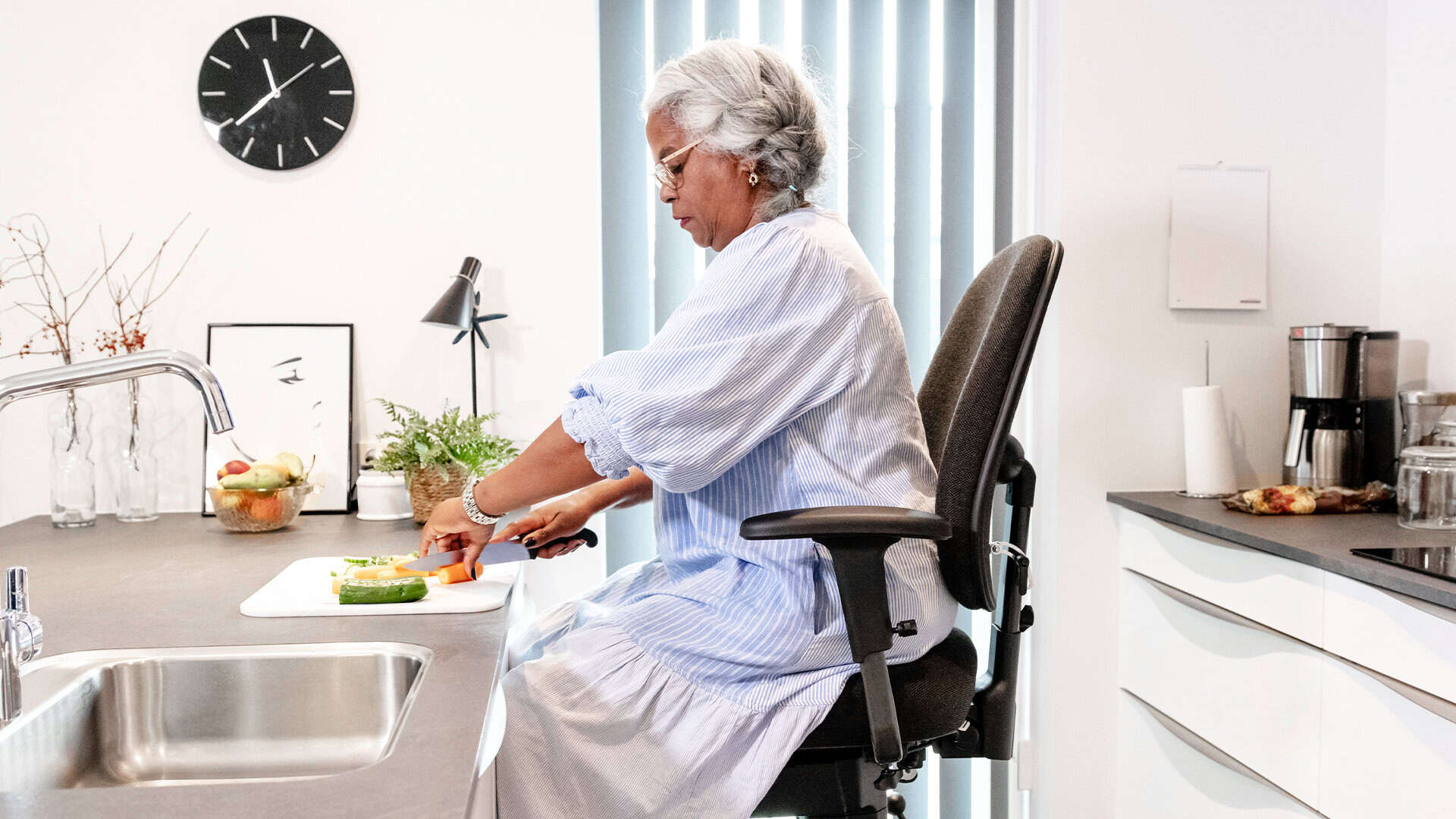
The VELA Independence Chair provides a unique solution, reducing the load on informal caregivers and ensuring seniors maintain their independence and dignity.
Supporting Aging in Place: A Practical Option
For those seeking alternatives to nursing homes, mobility solutions like the VELA Independence Chair make staying at home a viable option longer. The chair’s central brake ensures safety by preventing accidental slides, while electric height adjustability aids in seamless transfers without straining caregivers. These features encourage seniors to engage in everyday tasks like cooking, cleaning, and relaxing safely, preserving their energy and autonomy.
- Reduce fall risk and dependence on full-time caregiving
- Provide dignity, freedom, and safety through thoughtful design
With helpful seating for seniors at home, such as the VELA Independence Chair, seniors can delay the need for a nursing home. Investing in seating solutions for seniors living at home underscores a commitment to maintaining quality of life within the comfort of one’s own home.
Latest Assistive Technology Trends for Senior Independence
Recent advances in assistive technology continue to reshape the landscape for seniors seeking to maintain independence at home. In 2026, mobility devices—including wheelchairs, walkers, and scooters—are now widely available with AI and IoT sensor integration. These smart systems offer real-time terrain detection, obstacle avoidance, and fall risk monitoring. Powered wheelchairs can automatically adjust speed and braking based on movement patterns and environmental conditions. Voice-activated controls and smartphone connectivity allow for hands-free operation and remote adjustments, providing increased safety and convenience for both users and caregivers [7].
Autonomous mobility solutions, such as advanced wheelchairs equipped with lidar sensors, are enabling navigation through complex environments. All-terrain robotics now support stair-climbing and movement over rugged surfaces, while quick-attach electric propulsion systems, like the WheelMove system set for launch in Europe, enhance flexibility for manual wheelchair users [7].
Smart home safety innovations include grab bars with pressure sensors and anti-slip flooring embedded with lighting, helping to mitigate fall risks further. Adjustable-height shower seats linked to caregiver apps are also available, providing feedback to ensure user confidence and safety [7].
Telehealth and remote monitoring are now standard features in many assistive devices. Healthcare providers can track device usage and health metrics remotely, enabling proactive interventions and timely support for seniors [2].
New vision assistance technology, such as iSee assistive glasses, blends AI with wearable sensors to deliver audio feedback about the environment, enabling independent navigation for users who previously relied on guide dogs or canes [8].
Customizable ergonomic design, collaborative development with users and caregivers, and a focus on ethical data handling continue to drive adoption and long-term engagement with these advanced assistive technologies [3].
References
- Innovations in mobility aids and exoskeleton technology (April 2025)
- Assistive technologies, telehealth, and cognitive support in older adults (February 2025)
- Viewpoint on expanding assistive technology use among older adults and future research directions (July 2024)
- Shift to integrated AI-powered assistive technology and information access tools (December 2024)
- Award-winning assistive tech innovations including wearable rehab robots and neural control devices (February 2025)
- Smart home and voice-activated assistive technology for senior safety and connectivity (December 2023, ongoing trends)
- Innovations in Mobility Aids: Latest Technologies (2025)
- Best Assistive Tech Gadgets in 2025: Enhancing Independence (2025)
- Assistive Technologies for Individuals with Disability in Neurology (2025 review)
- Innovative New Technology Helps Seniors Age in Place (2025)
- Innovations in Assistive Technology (2025)