

Updated February 2026: We have updated the article with the latest trends in elderly care, including AI-driven remote monitoring, wearable sensors, smart home technologies, and proactive, home-based rehabilitation. The article now highlights advances from CES 2026, telehealth integration, and inclusive, ergonomic assistive devices supporting aging in place.
The Importance of Elderly Care
As the United States undergoes a demographic transformation, the significance of elderly care has become increasingly critical. The aging Baby Boomer generation means that by 2030, one in five Americans will be 65 or older, and this number could swell to 95 million by 2060. According to the World Health Organization, by 2030, one in six people worldwide will be aged 60 years or over. Grasping the impact of these changes is crucial for families, caregivers, and healthcare providers.
The rising need for comprehensive elderly care services
The expanding elderly population intensifies the demand for comprehensive care services. According to a report by Cypress Homecare, demographic changes are reshaping healthcare demands in the U.S. The healthcare system is challenged by a projected shortage of healthcare professionals and rising care costs, as highlighted by Provider Magazine. New trends indicate an increasing integration of technology and a focus on personalized, holistic care to address these challenges and enhance care delivery Health Dimensions Group.
Consider the Johnson family, confronted with numerous options for their aging matriarch, Margaret. Balancing logistical, emotional, and financial aspects of care planning illustrates the complexity families experience today.
Supporting seniors’ desire to age in place
An emerging trend in elderly care is the preference to age in place, with seniors opting for home-based care over institutional settings. This trend is driven by increasing demand for services that promote independence, as noted by Ultimate Care NY. Critical services include home modifications and caregiver support. Recent developments highlight the importance of wellness programs, mental health initiatives, and environments that support independence and mobility for individuals with varying needs Heisinger Bluffs. Personalized approaches, integrating home-based rehabilitation supported by virtual monitoring, have gained traction and are proven to reduce rehospitalizations and promote sustained independence AANP.
Technologies such as wearable sensors and smart home devices, including automated medication dispensers and voice-activated systems, now play a key role in supporting seniors’ daily routines and safety. These ergonomic and inclusive designs cater to varying levels of dexterity and mobility, helping a greater number of older adults maintain independence at home LeadingAge.
Take Mrs. Davis, for example, who ages in place successfully with the help of comprehensive home care services, allowing her both independence and support. Her story exemplifies the advantages of personalized care for seniors wishing to stay in their own homes.
Leveraging technology to enhance elderly care
Technological advancements are revolutionizing elderly care, offering innovative solutions for improved quality and efficiency. Since 2025, the integration of telehealth, wearable sensors, and AI-driven remote monitoring has become increasingly mainstream, enabling ongoing care and proactive interventions without requiring physical presence. These tools facilitate personalized care, real-time fall detection, and early identification of health risks, supporting both seniors and caregivers AANP.
Recent innovations highlighted at CES 2026—such as smart toilet seats that monitor health fluctuations, digital glasses for the visually impaired, and AI-powered caregiver companions—demonstrate the shift toward proactive, predictive healthcare and enhanced independence at home Age in Place Tech. Smart home technologies are now central to addressing not only mobility and safety but also social connectivity and daily living challenges.
Mr. Thompson, a senior managing chronic health conditions, effectively uses telehealth and remote health devices to actively oversee his health, demonstrating how technology empowers seniors with autonomy over their healthcare choices. In senior care facilities, digital automation and AI-driven operational support enable staff to focus on personal, patient-centered care, even amidst staffing shortages LeadingAge.
Bridging the gap between institutional care challenges and home independence
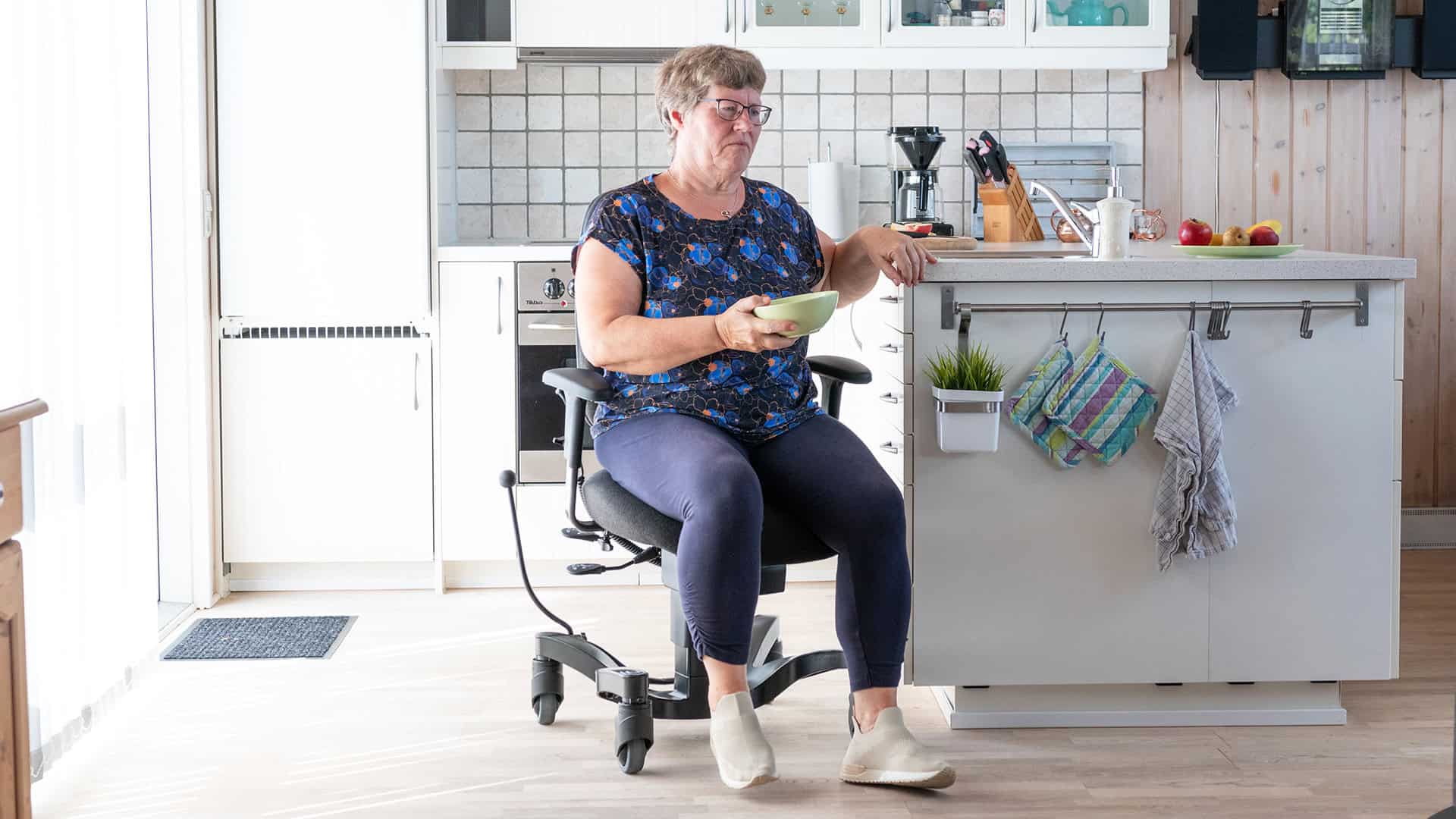
Transitioning from a broad discussion of elderly care, it’s evident that while nursing homes provide necessary support, they come with inherent challenges such as limited personal freedom and high costs. For many seniors, remaining independent and staying at home is a priority. Here, mobility solutions emerge as crucial tools in facilitating this independence. The VELA Independence Chair offers a medically approved option designed for in-home use, emphasizing safety and ease of movement. With features that include electric height adjustability and stable seating, the VELA chair assists with daily tasks like cooking, dressing, or transferring, while also reducing the burden on informal caregivers. New trends in assistive technology reinforce the importance of developing supportive devices and ergonomic environments that foster independence and quality of life for individuals with disabilities or age-related limitations Align Senior Care.
The latest innovations prioritize inclusivity and ergonomic design, with new sit-to-stand devices, dexterity-friendly controls, and voice-activated supports enabling individuals to manage more daily activities safely and efficiently. Home-based rehabilitation, guided virtually by care teams, is becoming a standard part of care models, blending professional oversight with patient-led routines AANP.
Embracing quality in elderly care
The importance of elderly care cannot be overstated. By 2030, with predictions indicating that 40 million Americans will be over age 65, as reported by NCOA, the need for robust and compassionate care services becomes critical. The industry’s embrace of innovative technologies, specialized care approaches, and dedicated support for aging in place reflects a commitment to quality care — a cornerstone in navigating this demographic shift. As the sector evolves, new models of care focus on wellness, mental health, social engagement, and holistic services for older adults Standards Sunrise Foundation.
Integrated care teams, often led by skilled nurse practitioners, are increasingly supported by AI and data analytics to deliver coordinated, policy-aligned approaches to healthy aging. These best practices ensure care is more responsive, preventative, and adapted to the evolving preferences and unique health profiles of seniors AANP.
By embracing these changes, the sector stands ready to meet the evolving demands of an aging population. Thoughtful planning, compassionate service delivery, and an openness to innovation will ensure all seniors can age with dignity and independence, honoring their care preferences while adapting to unique needs.
Staying independent at home with support
Seniors seeking alternatives to nursing homes often look towards solutions that facilitate independence at home. The VELA Independence Chair exemplifies a practical option for those wishing to remain self-sufficient while easing caregiver workload. Key features like electric height adjustments and a central brake system support crucial safety and energy-saving measures, allowing daily activities such as cooking or transferring to be more manageable. By providing ease of movement within the home, VELA chairs not only enhance safety but also delay the need for a transition to nursing home care. With benefits that preserve dignity and freedom, these solutions reflect a growing commitment to support aging in place, acknowledging that VELA is among many possible paths to a comfortable and independent life at home.