

Updated September 2025: We have updated the article with new findings on AI- and IoT-enabled assistive devices, ergonomic and customizable design advancements, regulatory and policy changes improving access and affordability, greater user and caregiver involvement in device development, and the integration of assistive technology with telehealth and smart home systems.
Understanding the True Costs of In-Home Health Care for Seniors
Understanding the costs associated with in-home health care is critical for families looking to provide quality care for elderly loved ones. The financial implications vary significantly based on geographic location and the specific needs of the senior involved. According to A Place For Mom, the national median cost for non-medical in-home care is projected to reach $33 per hour by 2025, with state median costs varying from $24 to $43 per hour. Factors such as urban versus rural settings play a significant role in these variations. Urban areas tend to have higher costs due to the increased cost of living and demand for healthcare workers.
Factors Driving the Cost of Elderly Home Care
Several elements influence the cost of home care services for the elderly. According to Focus Family Care, services in urban areas are typically 20-30% more expensive than in rural settings. This discrepancy can be attributed to the overall higher living expenses in cities. The type of care required also influences costs; while basic companion care might range from $20 to $30 per hour, specialized services such as skilled nursing can range from $50 to $80 per hour.
In real-life scenarios, consider a family in New York City facing the challenge of deciding between an independent caregiver and an agency. While the former might initially seem more affordable, as highlighted by Ultimate Care NY, agencies often provide backup caregivers and a structured service framework, reducing the risk of unplanned costs and providing a more predictable care environment.
How Do State Programs and Insurance Affect Out-of-Pocket Costs?
State programs and insurance are crucial in alleviating out-of-pocket expenses for home care. According to Medicare.gov, Medicare typically covers limited in-home health services focused on short-term skilled care. In contrast, Medicaid offers more extensive coverage with benefits and eligibility contingent on state-specific regulations. Long-term care insurance and veterans’ benefits further aid in managing expenses, though navigating these options requires careful planning and often the guidance of eldercare financial advisors to maximize available resources for the benefit of families and seniors alike.
Tools and Support to Maximize Home Care Outcomes
Navigating elderly care often means choosing between nursing homes and in-home solutions that support independence. Supporting seniors at home can prove beneficial, promoting well-being and reducing institutional costs. Recent advancements have introduced a range of assistive devices empowered by AI and IoT technology, including smart wheelchairs, fall detection sensors, exoskeletons with stabilization support, and health wearables that enable proactive health management through remote monitoring and real-time data feedback.[1][6] These technologies, alongside traditional supports, make independent living more secure and convenient, potentially reducing overall care costs.
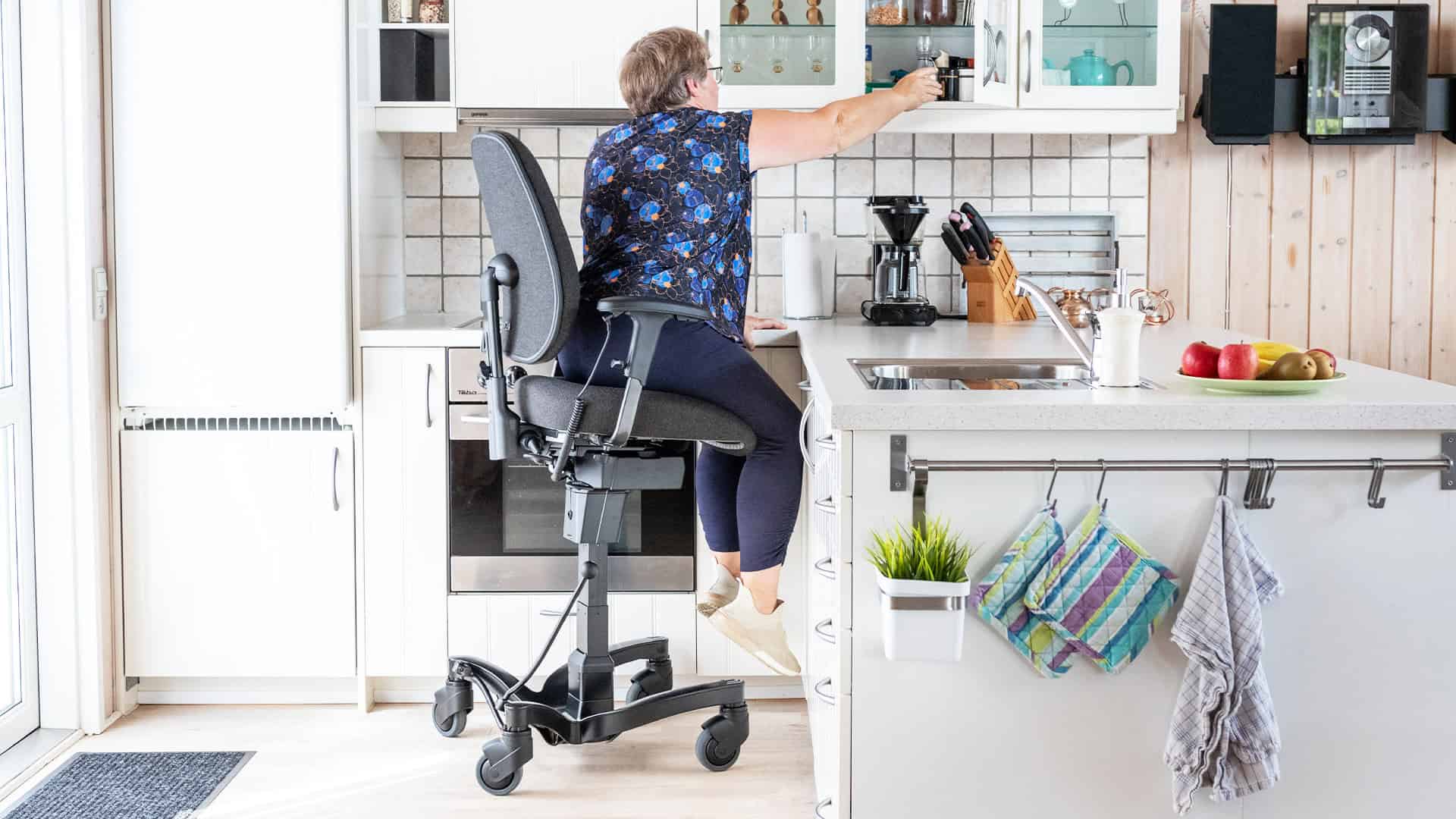
One practical option is the VELA Independence Chair, a medically approved mobility chair designed for use at home, providing enhanced safety, freedom of movement while seated, and support for daily activities like cooking, dressing, or transferring. This assists in alleviating the caregiving burden by enabling seniors to perform tasks independently, ultimately reducing the need for constant caregiver involvement. Newer devices now further emphasize ergonomic and user-friendly design, offering increased customization with options like 3D-printed and biomaterial components tailored to individual needs.[3][6]
Navigating Elderly Care Costs for Optimal Aging in Place
Providing in-home care for elderly loved ones involves understanding and strategizing around various cost factors, regional differences, and potential supports such as state programs and mobility aids. Today, there are more government initiatives and direct-to-consumer options aimed at increasing accessibility and affordability, including targeted programs such as India’s PM Divyasha Kendras and greater emphasis on online sales channels.[3][4] These changes help families find cost-effective solutions aligned with regulatory and policy improvements for sustainability and access.
By thoughtfully planning and utilizing the comprehensive information provided by sources like NIH/PubMed Central, families can devise cost-effective care plans that ensure comfort and dignity for seniors wishing to age in place. Moreover, employing strategic use of equipment like the VELA chair, as well as more recent AI-powered devices, could enhance senior independence, subsequently mitigating care costs by reducing the need for constant caregiver assistance.
Modern development in assistive devices increasingly involves users and caregivers in the design and testing process, ensuring products better match actual needs and deliver long-term satisfaction.[5] Integration with telehealth and smart home systems—such as automated environmental controls, medication reminders, and emergency alert capabilities—now contributes to safer, more responsive home environments.[1][6] By integrating practical experience, expert insights, and a balanced view of costs and solutions, this guide aims to empower families in making informed, strategic decisions about elderly care, ensuring a dignified and supportive environment for aging loved ones.
Supporting Aging in Place: A Practical Option
Mobility solutions like the VELA Independence Chair play a crucial role in helping seniors stay at home longer by providing essential support for daily activities. With features such as a central brake for increased safety, electric height adjustability, and ease of movement while seated, these chairs offer significant benefits in maintaining independence. Recent innovations across the industry focus on ergonomic, customizable, and eco-conscious design, utilizing technologies like 3D printing and biomaterials to better align with users’ specific physical and environmental needs.[3][6] By facilitating safer and more efficient transfers and allowing seniors to engage in activities like cooking and cleaning with less effort, the VELA chair helps preserve energy and reduce the risk of falls.
Furthermore, integration with smart home systems and telehealth platforms supports features such as automated reminders, remote care coordination, and digital emergency alerting, allowing for proactive intervention and potentially delaying the need for a nursing home.[1][6] These benefits can delay the need for institutionalization, providing dignity, freedom, and a sense of autonomy. While VELA is one effective option, it exemplifies how thoughtful design and digital integration in mobility aids can significantly enhance the quality of life for seniors wishing to age gracefully at home. For more insights on practical solutions for in-home care, explore Mobility Chairs for Home Use and Supporting Seniors with Mobility Issues.
Sources updated September 2025:
- INTCO Medical – Trends in AI-driven wearables and robotic mobility for seniors[1]
- Future Market Insights – Regulatory, market, and technology updates in mobility aids[2]
- Global Market Insights – Customization, online channels, and eco-friendly device innovation[3]
- NextMSC – Policy, affordability programs, and international access initiatives[4]
- PMC (PubMed Central, NIH) – User-centered design and participatory development in assistive tech[5]
- iHealthcareAnalyst – Advancements in AI, IoT, 3D printing, and smart home integration[6]