

Updated January 2026: We have updated the article with the latest findings on AI-integrated smart mobility aids, wearable and non-wearable health monitoring, voice-activated and gesture-based devices, robotic and VR/AR technology for rehabilitation, enhanced smart home ecosystem integration, mainstream telehealth in home-based care, and new trends reflecting increased technology adoption and personalized care plans for seniors in Roseville, CA.
Empowering Roseville Seniors to Age Gracefully at Home
As Roseville, CA, continues to attract an increasing number of seniors seeking to age in place, the demand for in-home senior care services is rising significantly. With approximately 17.15% of the city’s population aged 65 and over, a growing need for quality care options is apparent. Placer County Older Adult Advisory Commission provides insights into this trend, noting projections indicate that the 85+ population within Placer County will increase five-fold by 2040, necessitating a robust network of in-home care services to meet these evolving demands.
Understanding In-Home Senior Care in Roseville, CA
In-home senior care encompasses a variety of services aimed at allowing older adults to maintain their independence while living comfortably in their own homes. This care is vital for seniors who wish to continue enjoying familiar surroundings. There are two primary types of in-home care: non-medical support, which includes help with daily living activities like bathing and meal preparation, and medical support, involving skilled nursing and therapy services. According to Medicare.gov, these services are essential for managing chronic diseases and reducing hospital visits, enhancing the quality of life for seniors significantly.
Recent research now highlights a rapid evolution in in-home care through the adoption of AI-integrated smart mobility aids and comprehensive digital health solutions. Seniors are increasingly benefiting from advanced powered wheelchairs, mobility aids with GPS, integrated sensors, and health monitoring apps. Fall detection and health monitoring are now both wearable and non-wearable, offering clinical-grade tracking of falls, vitals, and oxygen levels, often accessible via user-friendly mobile applications. Voice-activated devices and gesture-based controls provide hands-free operation—supporting daily routines, medication reminders, and communication—further enabling aging in place. Robotic assistants are emerging as helpful tools for daily mobility and home tasks, while virtual and augmented reality (VR/AR) technologies are being used for rehabilitation and cognitive therapy. Integration with smart home ecosystems is standard, providing automation and remote support. Telehealth has also become mainstream, supported by extended policy incentives through January 2026, making it easier for seniors to access remote patient monitoring and care coordination from home. AI-driven personalized care plans are helping predict health declines and support early intervention, both improving independence and reducing hospital readmissions.AllSeniors.org, AllSeniors.org, AANP, AgeInPlaceTech, AARP
Roseville’s Senior Demographics: Who Needs Care?
The senior demographic profile in Roseville, CA, illustrates a diverse age distribution, with a significant number over 75 years old facing health challenges such as chronic conditions, cognitive decline, and mobility issues. Economic factors also play a role, as many seniors live on fixed incomes, influencing their care decisions and options available to them. Census Reporter highlights that with a median household income of $117,354 and a homeownership rate of 68.6%, many seniors are financially stable but require affordable and effective care solutions.
The adoption of advanced technologies emphasizes inclusive, non-intrusive, and customizable care for seniors. Today’s solutions incorporate smart home devices compatible with automated lighting, temperature, and security, which can be controlled by voice or gesture, reducing barriers for those with mobility or dexterity challenges. Wearable and contactless monitoring facilitate greater independence, and new AI-powered systems deliver tailored support without drawing attention to limitations. User surveys, including AARP data, reveal rapidly growing comfort with technology among adults aged 50+, indicating a shift in preference towards digital tools that support well-being and autonomy. The industry is tackling interoperability and integration challenges through greater collaboration, enabling smoother connections between devices, telehealth services, and care management platforms.AllSeniors.org, AARP, ButterflyMX Blog, Senior Housing News
How to Evaluate and Choose a Home Care Provider in Roseville
Selecting the right in-home care provider is crucial for ensuring quality and personalized care for seniors. Key criteria for evaluation include checking the provider’s licensing credentials, caregiver qualifications, and customer reviews. The state of California mandates that all home care organizations be licensed, and caregivers undergo background checks, as noted by the California Department of Social Services. Families have successfully chosen providers like Amada Senior Care based on their ability to offer customized care plans and high client satisfaction, exemplifying the importance of thorough vetting in making an informed decision.
Families should now prioritize providers demonstrating leadership in digital caregiving, including the use of AI-powered and smart home-compatible technology. These leading providers implement personalized care plans using predictive analytics, seamlessly integrate smart home and remote patient monitoring tools, and leverage telehealth to deliver efficient, convenient care at home. As regulatory and reimbursement policies further support these technologies, providers that ensure secure, interoperable platforms and continuous customization to individual needs are considered standout choices. Cybersecurity and user-friendly design remain key requirements, and those who deliver both advanced and traditional care services enable seniors to remain safe, healthy, and independent at home.AllSeniors.org, AANP, AARP
Enhancing Independence with Mobility Aids
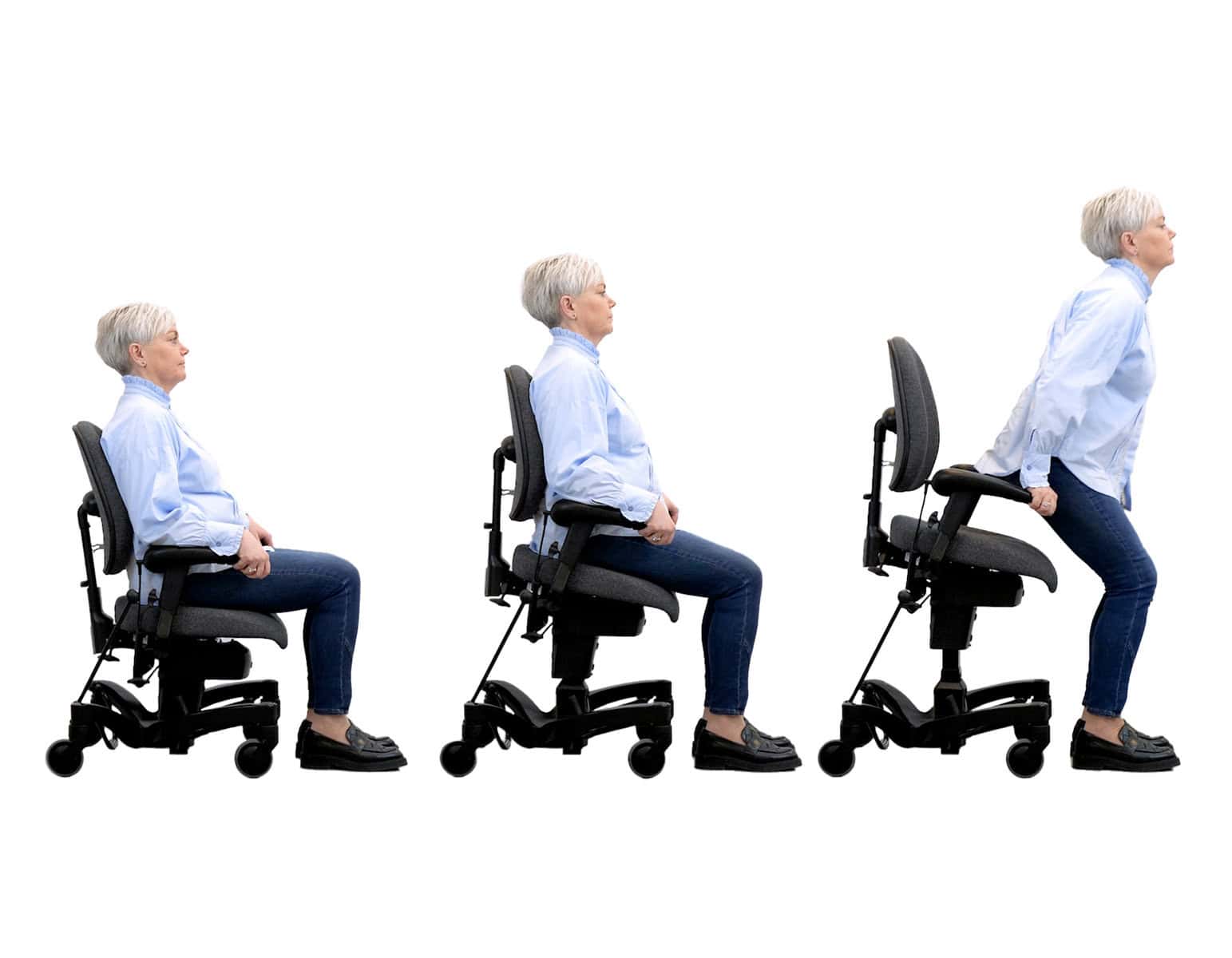
While the transition from nursing homes back to one’s own home presents various challenges, there are strategies to address these effectively. Ensuring seniors maintain independence in their daily lives is essential, not only for their sense of dignity but also for reducing caregiver burden. Among various solutions, the VELA medically approved mobility chair stands out. This chair is specifically designed for home use, offering enhanced safety and freedom of movement even while seated. It supports daily activities such as cooking, dressing, or transferring, all while helping to reduce the load on informal caregivers.
Today’s mobility aids are greatly enhanced by smart technology. AI-driven and robotic devices now provide non-wearable fall detection, integrated real-time alerts, and user-friendly home automation for lighting, doors, and communication—operable through both voice and gesture. Clinical-grade monitoring from mobility devices assists with proactive safety, and robotic assistants are increasingly supplementing other aids, offering both physical and practical task support for seniors. These are transforming the landscape of independence at home.AllSeniors.org, AllSeniors.org, AARP
Enhancing Home Independence with Safe Mobility Solutions
In-home care not only addresses health and personal care needs but also involves creating a safe living environment. Mobility aids like the VELA chair play a crucial role in this process, promoting safety and independence at home. With features such as stability, ergonomic design, and ease of use, these chairs help seniors navigate their homes more confidently. According to the Journal of the American Geriatrics Society, home care solutions that incorporate safe mobility aids significantly bolster the quality of life, as they support daily living activities, reduce fall risks, and enhance the overall well-being of seniors.
The importance of in-home senior care in Roseville, CA, cannot be overstated. With a variety of care options available, seniors can find the support they need to maintain a high quality of life. Mobility aids like VELA chairs further enhance this experience by ensuring safety and independence. Embracing these solutions means Roseville seniors can successfully age in place, enjoying the comfort and familiarity of their homes longer.
Supporting Aging in Place: A Practical Option
The VELA Chair empowers seniors in maintaining their independence at home, effectively extending the period before the necessity of entering a nursing home might arise. Enhancing senior independence is crucial, and VELA’s features are specifically designed to address mobility concerns. This includes a central brake for enhanced safety, electric height adjustability, and the ease of movement while seated, which collectively conserve energy and safeguard dignity. Without the VELA Chair, seniors might struggle with basic tasks such as cooking or moving between rooms; with it, they enjoy enhanced freedom and reduced caregiver dependence. While there are many solutions available, VELA remains a proven, effective choice that aligns with the values of autonomy, safety, and quality of life, fostering a brighter and more independent aging experience at home.
Sources
- AllSeniors.org, “Top Durable Medical Equipment Trends for Senior Caregivers in 2026” (2026)
- AllSeniors.org, “How Smart Tech is Revolutionizing Senior Community Living in 2026” (2026)
- AANP, “Top Five Health Care Trends for 2026: How New Technology is Transforming Patient Care” (2026)
- AgeInPlaceTech, “AI and Older Adults – What’s Now and Next in 2026” (2026)
- AARP, “Tech Trends and Older Adults Series” (2026)
- Harvard Business Review, “The Future of Senior Living: Trends to Watch in 2025” (Jan 2025)
- MyCareConcierge.org, “How Technology will Transform Senior Care in 2025” (Feb 2025)
- ButterflyMX Blog, “Senior Living Technology Trends 2025” (Jul 2025)
- Argentum and A Place for Mom, “The State of Technology Adoption in Senior Living” (Jul 2025)
- CLAconnect.com, “Senior Living and Care: Four Key Drivers of Activity in 2025” (Feb 2025)
- LeadingAge via HealthTech Magazine, Q&A on senior care technology predictions (Jan 2025)
- Juniper Communities, “Senior Living Trends in 2025” (Jul 2025)
- Aging and Health Technology Watch, “Market Overview 2025” (Jan 2025)
- Peters Creek Senior Care, “Embracing Independence: The Role of Assistive Technologies in Senior Care” (Aug 2025)
- UnitedHealthcare Community & State, “How Enabling Technology is Transforming Home-Based Care” (2025)
- Senior Housing News, “Argentum Technology Survey: Top Trends & Barriers in Senior Living” (Jul 2025)
- GlobeNewswire, “U.S. Assistive Technologies for Older Adults Market Analysis Report 2025” (Sep 2025)
- AARP, “2025 Technology Trends: Older Adults” (2025)