

Updated September 2025: We have updated the article to reflect the latest advances in assistive technologies for in-home senior care. This includes the integration of AI, IoT, and smart home systems, new trends in personalized support and remote monitoring, recent regulatory updates, and the growing role of user feedback in device design.
Thriving Through In-Home Senior Care in Tarpon Springs, FL
In Tarpon Springs, FL, the demand for personalized in-home senior care is unmistakable, influenced by the city’s notably high elderly demographic. With seniors constituting 31.08% of the local population, markedly higher than the national average of 16.84%, Census Reporter shows there’s a pronounced need to cater to their specific requirements. From addressing common health conditions to facilitating aging in place, providing quality care is paramount for this vibrant community.
Exploring the Elderly Demographic of Tarpon Springs
The Tarpon Springs elderly population presents unique characteristics, reflecting a community where aging in place is both a preferred and viable option. Here, an impressive 80.8% of residents own their homes, advocating for senior care solutions that enable individuals to remain comfortably in familiar surroundings, according to Data USA. Many confront challenges such as arthritis, heart disease, and cognitive impairments—increasingly common with age. These conditions necessitate a nuanced understanding and a tailored approach to care to maintain their quality of life.
Real-life situations further depict the challenges faced by seniors. For instance, a local senior, Mrs. Wilson, strives to manage her mobility issues following hip surgery. Her scenario underscores the critical need for personalized in-home care support like physical therapy and daily assistance, exemplifying the direct impact personalized care can have on recovery and quality of life.
Navigating In-Home Care Options in Tarpon Springs
In Tarpon Springs, a broad spectrum of in-home care services is available, ranging from medical to non-medical assistance. Local providers, such as Visiting Angels, exemplify how personalized care solutions can be seamlessly integrated into daily life to maintain seniors’ independence and dignity.
- Medical services encompass in-home nursing or physical therapy
- Non-medical assistance might include help with daily activities, companionship, or transport services
- Specialized care for conditions like dementia requires caregivers to hold state-specific credentials
This reinforces the importance of licensing requirements for caregivers in Florida, as emphasized by Senior Living Resources.
Understanding the Costs and Financial Options for In-Home Care
Financial considerations are pivotal when planning in-home care in Tarpon Springs. According to Amada Senior Care, the average cost for in-home care can vary significantly across the region. Services can range from $18 to $30 per hour depending on the level of care required. Medicare, insurance, and assistance programs may provide financial relief, with some families crafting creative budgeting strategies to meet their loved ones’ care needs, ensuring peace of mind without compromising their financial stability.
Criteria for Choosing the Right Care Provider
Selecting the appropriate in-home care provider involves meticulous evaluation. An effective checklist includes verifying caregiver credentials, experience, and conducting due diligence during interviews. It’s crucial to ask about their response to emergency situations, familiarity with specific health conditions, and compatibility with technology solutions for telehealth monitoring. Increasingly, providers are adopting digital tools and platform interoperability to optimize care delivery, enhance workflow efficiency, and support seamless collaboration among healthcare professionals and families CLA Connect, A Place for Mom.
Testimonials from local family members, who confidently vouch for providers, paint an encouraging picture. Mrs. Johnson, a resident who opted for in-home care for her father, shares her experience of successfully integrating a caregiver into their lives. She highlights the improved well-being and companionship her father now enjoys, showcasing the transformative power of effective elder care.
Facilitating Independence at Home
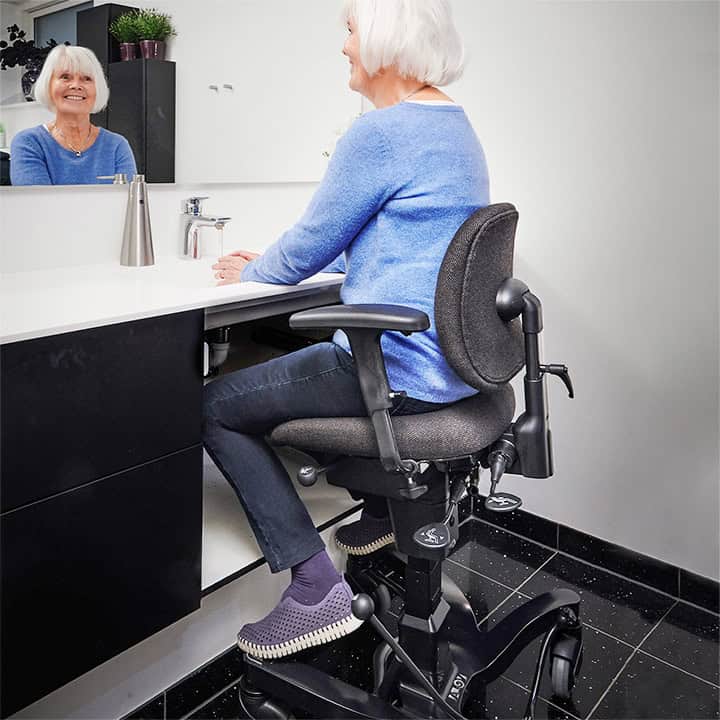
While nursing homes provide comprehensive care, many seniors prefer the comfort and familiarity of their home environments. Solutions that bolster home independence can be invaluable. VELA Independence Chairs present a medically approved mobility option that supports freedom of movement at home. These chairs are designed to enhance safety and assist with daily activities like cooking, dressing, or transferring, all while reducing the burden on informal caregivers. With features that accommodate home living, such as easy maneuverability and stability, VELA chairs can be an integral part of a care plan for those preferring to age in place.
Technology now plays a central role in facilitating independence. Smart home enhancements—including voice-activated assistants, automated lighting, remote health monitoring devices, and environmental controls—are being increasingly incorporated into in-home care. These digital and connected tools support safety and wellbeing by monitoring vital signs, detecting falls, and reminding users about medication adherence in real time Heisinger Bluffs, ButterflyMX.
Supporting Aging in Place: A Practical Option
VELA Chairs exemplify how assistive mobility solutions can empower seniors to maintain independence longer in their own homes. The design includes features such as a central brake for enhanced safety, electric height adjustability for ergonomic comfort, and the ability to move effortlessly while seated. This aids in activities like cooking, cleaning, and personal care, minimizing caregiver strain and delaying the need for nursing home admissions. Life with a VELA Chair emphasizes dignity, safety, and energy efficiency, offering seniors the chance to engage in everyday tasks without unwarranted risk. Alongside proven mobility solutions, the market also features new rehabilitation practices and adaptive assistive devices that are co-designed with users, leading to greater personalization and adoption NCBI.
Recent regulatory updates now prioritize data interoperability, cybersecurity, and expedited approval of assistive technologies to ensure safe, effective, and timely service delivery, especially in response to challenges arising from the COVID-19 pandemic Cognitive Market Research, A Place for Mom. This enhanced technology adoption, combined with cooperative care models and integration of predictive analytics, continues to reshape how in-home senior care is delivered in Tarpon Springs and beyond.
Sources: