

Updated October 2025: We have updated the article with the latest advancements in integrated AI-powered assistive devices, such as smart glasses and improved indoor navigation systems, as well as emerging trends in inclusive and accessible design practices for seniors.
Integrated Senior Care: Enhancing Quality of Life for Seniors
The increasing demand for integrated senior care reflects the evolving needs of our aging population. According to the American Psychological Association, integrated senior care has been shown to reduce depressive symptoms and enhance access to a variety of services. Additionally, the U.S. National Library of Medicine highlights its ability to decrease fragmentation by offering a seamless continuum of care. Understanding this approach is essential for those seeking comprehensive solutions for elderly care.
Understanding Integrated Senior Care: Concepts and Benefits
Integrated senior care is a holistic approach that combines medical, physical, emotional, and social services to meet the multifaceted needs of aging adults. This model not only improves the quality of care but also reduces healthcare costs, as noted by the American Psychological Association. For instance, I Care Communities exemplifies this model by providing personalized care plans that enhance senior independence through a combination of healthcare services and social engagement.
Key Components: Medical, Social, and Emotional Support
A core feature of integrated senior care is the use of multi-disciplinary teams to provide comprehensive care. This approach emphasizes the importance of integrating mental health support and chronic disease management. A case study from PACE illustrates a senior whose mental health significantly improved through regular participation in social engagement activities. Such activities are designed to improve not just physical health but also emotional well-being, highlighting the value of a supportive community in elder care.
How Integrated Care Improves Senior Independence and Well-Being
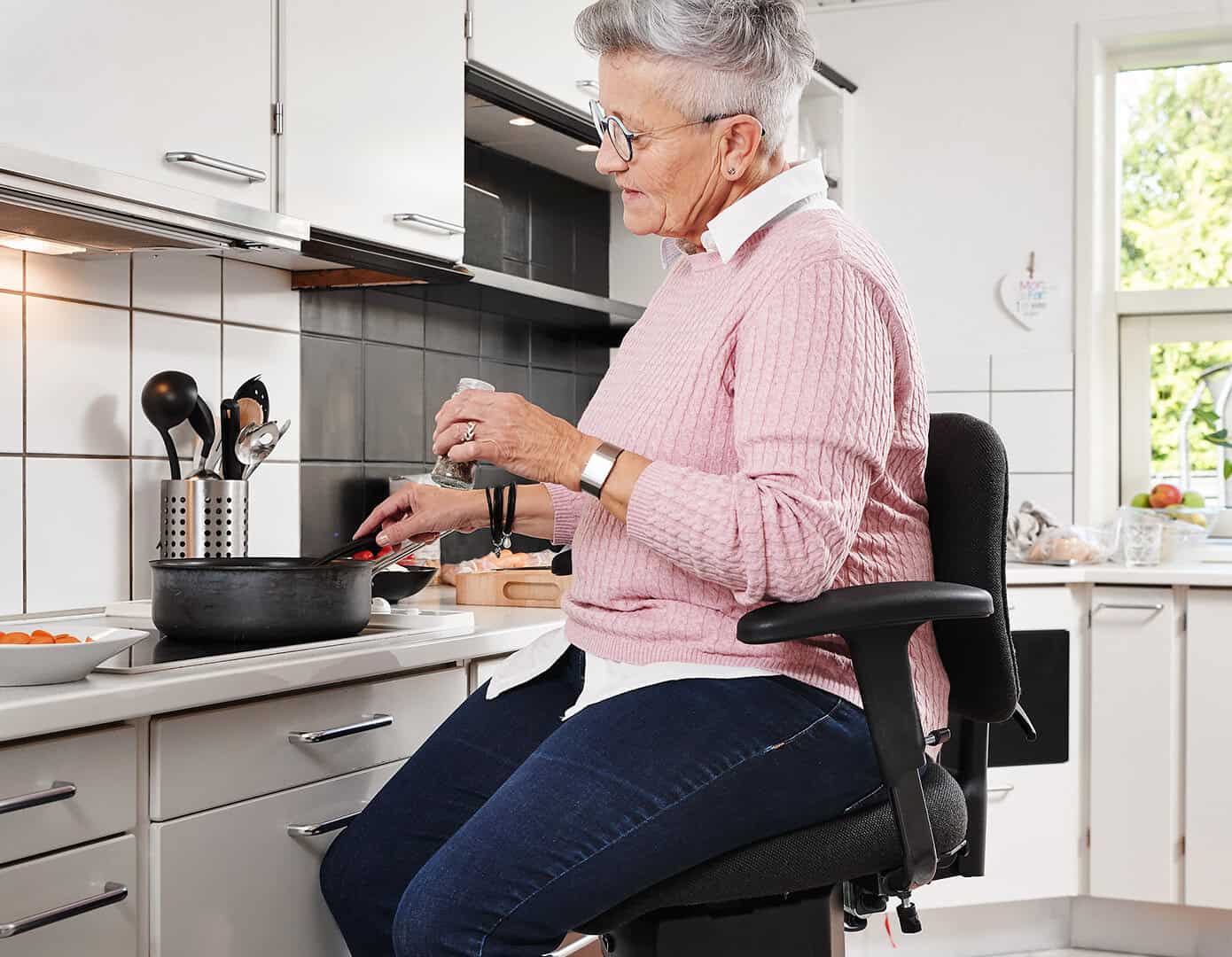
Integrated care plays a crucial role in helping seniors age in place, thus enhancing life expectancy. Home adaptations and assistive technology, like VELA chairs, support mobility and independence. These chairs are specifically designed to aid in fall prevention and enhance mobility, ensuring seniors’ safety and greater independence.
Recent advancements in assistive technology have transformed the potential for senior independence. The latest generation of devices includes integrated AI-powered assistants and wearable solutions, such as smart glasses with real-time object recognition and facial detection. These devices are increasingly able to deliver quick and intuitive support, in line with expert recommendations for greater speed and efficiency in assistive technology. Additionally, indoor navigation support has improved with technologies like Bluetooth beacons and LiDAR mapping, making large public spaces more accessible for seniors and individuals with visual impairments.
Florida Reading, Envision
As families navigate the challenges of finding suitable care options, nursing homes may seem a restrictive choice for some, due to their controlled environments. In contrast, providing solutions that promote autonomy at home can be more appealing, allowing older adults to thrive in familiar settings. The VELA Independence Chair is a medically approved mobility chair designed for domestic use, offering enhanced safety, freedom of movement while seated, and support for daily activities like cooking, dressing, or transferring—all while reducing the burden on informal caregivers.
Choosing a Local Integrated Senior Care Provider: What to Look For
Selecting the right local provider involves careful consideration. Key criteria include the provider’s ability to coordinate care and offer personalized plans. The significance of technology integration and safety modifications cannot be overstated. I Care Communities distinguishes itself with tech-supported home modifications that enhance seniors’ safety and lifestyle.
The design landscape is also evolving, with a greater focus on inclusive design and accessibility. More companies are involving accessibility consultants and engineers with lived experience of disability in developing new products and care environments, contributing to better, more usable assistive solutions for seniors. This shift supports the broader goals of integrated care by ensuring that both new and existing technologies address the diverse needs of aging adults.
Envision
Overall, integrated senior care offers a comprehensive approach that blends medical, social, and emotional support, significantly improving seniors’ quality of life. By understanding and implementing these practices, families can not only enhance the health and independence of their elderly loved ones but also reduce the complexity and cost of care. As highlighted by the U.S. National Library of Medicine, evidence-based integrated care models are pivotal in ensuring a seamless and effective continuum of care.
Incorporating senior care solutions like VELA chairs ensures that seniors remain safe, mobile, and independent, attesting to the collaborative success of integrated senior care systems.