

Updated January 2026: We have updated the article with the latest breakthroughs in AI-driven assistive technologies, including autonomous smart wheelchairs, advanced all-terrain mobility devices, AI-based environmental awareness tools, and new market projections for assistive tech through 2026. New sources highlight current innovations and trends empowering independence and access for seniors and individuals with disabilities.
Navigating Senior Care Choices with Confidence
As the landscape of senior care evolves, the concept of “living well senior care” has become increasingly centered on maintaining independence, dignity, and an enhanced quality of life for seniors. According to the Administration for Community Living, approximately 77% of seniors want to continue living in their current community, which underscores the importance of accessible and quality care options. This article explores the diverse approaches to senior care, offering insights for those seeking optimal solutions for themselves or their loved ones.
Embracing Independence and Quality of Life in Senior Care
Living well senior care is founded on the principles of independence and dignity. This philosophy prioritizes customized care plans that cater to individual needs, enabling seniors to retain control over their daily lives. For example, the National Institute on Aging (NIA) advocates for personalized care strategies that empower seniors, such as planning daily activities that cater to individual interests and abilities. Real-life instances, like a senior engaged in gardening facilitated by in-home care assistance, show the tangible impact of personalized care on their quality of life and mental well-being.
Tailored In-Home Care Solutions for Seniors
One common approach is comprehensive in-home care services, which support seniors who choose to age in place. These services include personal assistance and companionship, essential for daily living activities. For instance, Living Well Senior Care in Texas provides flexible care models, including hourly care without minimum requirements, offering seniors medication management and social interaction. This flexibility ensures that seniors receive the assistance they need, fostering an environment that promotes autonomy. Client testimonials from this provider highlight improvements in daily living experiences and overall well-being due to the tailored services offered.
Professional Guidance for Senior Living Transitions
Choosing the right senior living facility can be daunting, but professional guidance significantly eases this process. Placement services play an integral role in helping families navigate options that best suit their needs. A notable example is a family who utilized LIVE WELL Senior Care Connections in San Diego to find dementia care solutions. Such personalized guidance not only aids in finding suitable facilities but also offers continued support post-move, ensuring a smooth transition and peace of mind for families and seniors alike.
Enhancing Mobility and Independence with VELA Chairs
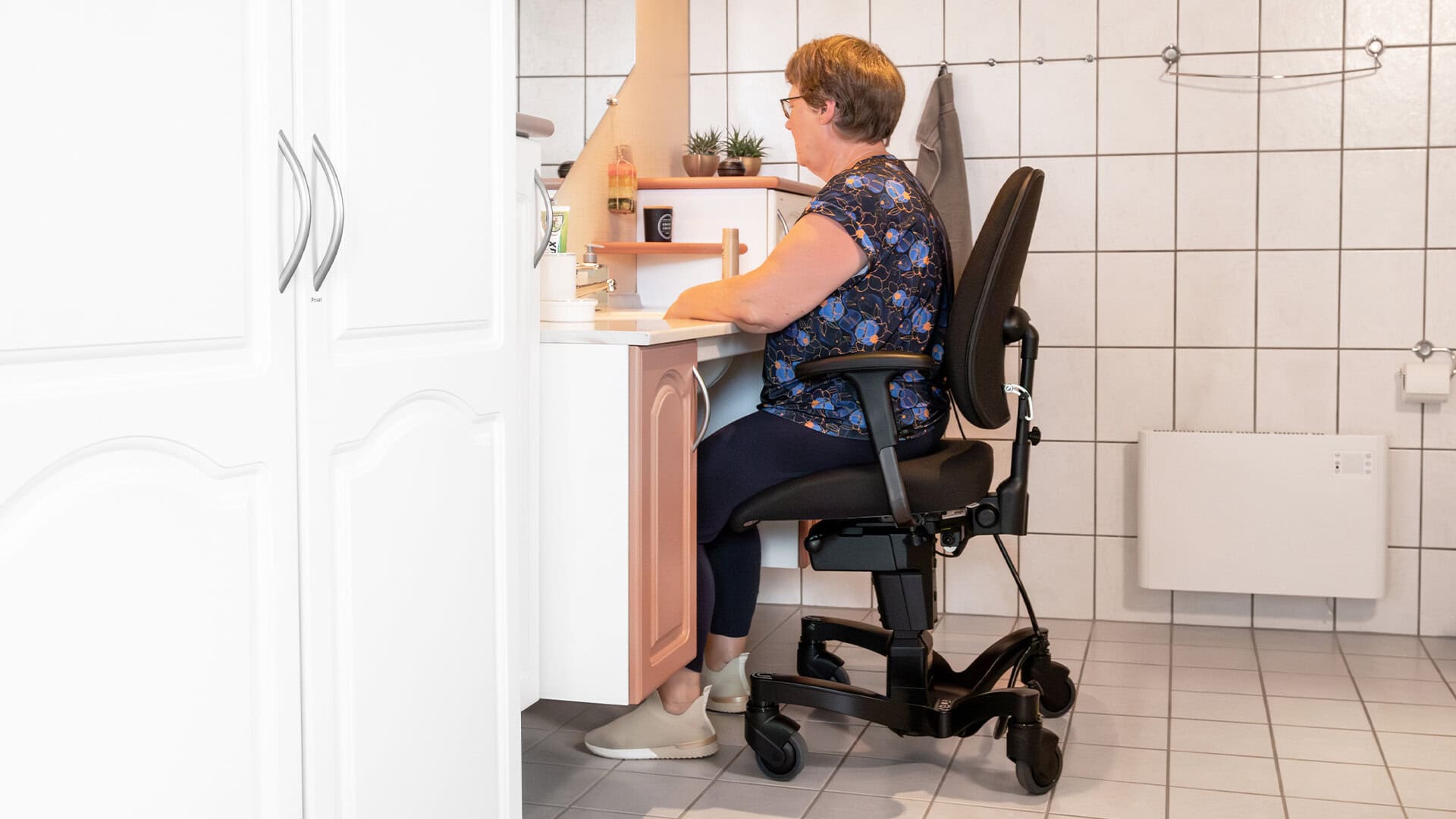
Transitioning from in-home care to mobility solutions, the role of adaptive equipment like VELA chairs is indispensable in promoting independence and preventing falls. These chairs are designed to meet the specific mobility needs of seniors, offering ergonomic support that alleviates common issues such as arthritis-related pain. Seniors who have incorporated VELA chairs into their daily routine report increased comfort and a sense of security when moving around their homes. For further details on how these chairs support mobility, visit VELA website.
While nursing homes play a crucial role in elder care, exploring alternatives that enable seniors to maintain their independence demands attention. VELA Chairs, equipped with features like a central brake for safety, electric height adjustability, and ease of movement while seated, offer substantial benefits in this regard. These features not only enhance freedom and safety but also delay the need for nursing home care by enabling seniors to handle daily tasks with dignity and ease. Imagine preparing meals, cleaning, or simply relaxing, all supported by smart seating that reduces caregiver burden and promotes higher energy levels. Though VELA is a proven and practical solution for many, it is just one of several viable options for those committed to supporting aging in place.
Advancements in assistive technology: promoting independence and quality of life
Recent breakthroughs in assistive technology are greatly expanding independence and daily options for seniors and people with disabilities. Artificial intelligence (AI) integration is now central, with innovations such as smart wheelchairs featuring autonomous navigation capabilities, real-time obstacle avoidance through LUCI sensors and lidar systems, as well as pressure monitoring to prevent injuries. Newer all-terrain power chairs, including stair-climbing models like the XSTO X12, enable users to go beyond paved environments and handle diverse terrain and stairs.[1][2][3]
Wheelchair add-ons such as the upcoming WheelMove dramatically extend operating range (up to 25 km per charge, launching in 2026) and offer compact, travel-friendly solutions. In CES 2026, inclusivity innovations like MaaS-Bridge AI emerged, integrating mobility aids with accessible points in autonomous transport, improving real-world accessibility for seniors and wheelchair users.[2]
AI-driven environmental awareness tools, such as SEERU for those with mobility and hearing challenges, and iSee glasses providing vision-independent navigation for users with low vision, are now enabling safer, more confident participation in both indoor and outdoor environments.[1][2]
Wearable and adaptive technologies—including smart glasses with obstacle detection, and user-interface innovations like custom adaptive keyboards and mouth-controlled input devices—are improving safety, comfort, and everyday usability. These dynamic technologies empower independence by responding to individual needs in real time.[1][4][7]
Rehabilitation and support frameworks continue to evolve through multidisciplinary integration. There is now greater emphasis on combining AI-powered devices with behavioral and physical therapies for more effective support. Assessments increasingly focus on practical adoption, affordability, and ethical considerations for sustainable, user-centric outcomes.[3][4]
The market for disabled and elderly assistive technology is projected to reach US$32.5 billion by 2026, with a 5.8% compound annual growth rate. Mobility aids alone are expected to grow at 6% annually, driven by aging populations, higher accident rates, and chronic conditions, especially in Europe and Asia-Pacific. Governments and global health organizations continue to expand funding, facilitate design input from users, and include assistive tech within public health initiatives, supporting broader adoption and long-term benefit.[2][3][5][6]
This dynamic, innovation-driven environment is helping reshape independence and quality of life for seniors, caregivers, and healthcare professionals, moving from static aids to adaptive, AI-supported solutions that foster true autonomy.[1][2][3][5][7][8]
Sources
- Carr, Dawn. “Revolutionizing Accessibility: The Latest Innovations in Assistive Technology 2025” (Nabroward.com, 2024-12-31)
- “The Best Assistive Tech Gadgets in 2025: Enhancing Independence Through Innovation” (ThinkBeyondTheChair.org, 2025-02-07)
- Robobionics. “How Assistive Tech Startups Are Shaping the Future of Disability Solutions 2025-2030” (Robobionics.in, 2025-02-20)
- Hammond, Felix R. “Recent Trends in Assistive Technology for Mobility” (PMC – National Library of Medicine, 2012)
- Equal Accessibility LLC. “Innovations In Assistive Technology” (EqualAccessibility.co, 2025-03-19)
- Ability MT. “Exciting Assistive Technology for People with Disabilities” (AbilityMT.org, 2025-08-01)
- Technavio Market Report. “Assistive Technology Market to Grow by USD 6.3 Billion from 2025 to 2029” (2025-02-07)
- ATIA. “Assistive Technology Innovations for Education, Employment, and Independent Living” (PDF report, June 2025)
- Narayanasamy S. et al. “Assistive Technologies for Individuals with Neurological Disabilities: Integration, efficacy, challenges.” (PMC Article, 2025) https://pmc.ncbi.nlm.nih.gov/articles/PMC12250080/
- World Health Organization (2022). “Assistive Technology: Global report and policy framework for universal access.” https://www.who.int/news-room/fact-sheets/detail/assistive-technology
- Digital Learning Institute (2025). “Revolutionising Accessibility with AI in Assistive Technology: Trends and challenges.” https://www.digitallearninginstitute.com/blog/revolutionising-accessibility:-the-role-of-ai-in-assistive-technology
- BeAccessible (2025). “Assistive Technologies for People with Disabilities: Inclusive and ergonomic innovations.” https://beaccessible.com/post/assistive-technology-examples/
- CES 2026: 4 Assistive Technology Exhibitors to Watch. https://mobilitymgmt.com/ces-2026-4-assistive-technology-exhibitors-to-watch/
- Disabled and Elderly Assistive Technology Market Report. https://www.factmr.com/report/disabled-and-elderly-assistive-technology-market