

Updated January 2026: We have updated the article with new research on AI-powered and sensor-integrated mobility aids, smart technology for fall detection and caregiver alerts, IoT and telehealth-enabled home monitoring, and the impact of robotics, 3D printing, and hyper-personalized rehabilitation solutions for older adults.
Marysville Senior Care: Navigating Options for Elderly Care
Marysville, Washington, has a diverse and growing senior population, necessitating comprehensive and accessible senior care options. With 13.29% of its population, approximately 9,511 individuals, aged 65 and older, Marysville faces the challenge of providing effective senior care services to meet the varied needs of its elderly residents. According to World Population Review, higher poverty rates among seniors, especially older women, accentuate the need for affordable care solutions in the area.
Understanding Marysville’s Senior Demographics
Marysville boasts a substantial senior community. Detailed statistics reveal particular vulnerabilities among older women, who face high poverty rates. For instance, women aged 75 and older represent a significant portion of those living in poverty, highlighting the necessity for accessible and cost-effective care. Areavibes provides valuable context for understanding these demographics, portraying a city where socioeconomic challenges intertwine with the aging process.
Real-life scenarios illustrate seniors managing financial hardship impacting their ability to secure needed care services. According to Neilsberg, families strategize to afford care for elder female relatives who might otherwise be overlooked. Community dedication is essential in innovating and streamlining available measures to address these issues.
Exploring Senior Care Options in Marysville
Marysville offers a range of senior care options tailored to meet the diverse needs of its aging population. These include adult family homes, assisted living facilities, and home care services. Adult family homes, like Marysville Senior Care AFH, provide personalized care within a residential setting, allowing for a homely atmosphere and individualized attention. Assisted living facilities offer a blend of independence and support, featuring amenities like personal apartments, communal meals, and assistance with daily activities.
Residents thriving in these environments often engage in community activities and social events, enhancing quality of life through social interactions and comprehensive support services. According to the Senior Care Authority, these facilities are vital resources for seniors and their families seeking a supportive living environment.
Financial and Mobility Considerations for Senior Care
Financial planning for senior care is crucial, given Marysville’s median household income and poverty levels among seniors. Families navigating this landscape must consider available financial assistance programs, which can significantly impact long-term care solutions. Equally crucial are mobility considerations, ensuring seniors remain independent and safe in their homes. The latest assistive technologies now combine AI-powered adaptive support with personalized features, integrating seamlessly with smart home systems, wearable sensors, and remote monitoring services. These systems enhance not only physical safety—such as fall detection and medication reminders—but also cognitive engagement and rehabilitation opportunities through user-friendly interfaces and telehealth applications.[1] [2] [3] [8] [9]
Recent advances also showcase integration with telehealth platforms and the Internet of Things (IoT), allowing caregivers and healthcare professionals to monitor real-time health data remotely. These technologies now deliver immediate alerts for falls, track mobility metrics, and can even provide personalized coaching for physical activity or safe navigation in the home. This has led to improved outcomes and reduced hospital visits for many aging in place.[10]
Success stories from residents who have utilized financial aid and mobility solutions highlight how these initiatives contribute to maintaining independence. Continuing to live within a familiar environment while receiving necessary care enhances both physical and mental well-being. Resources like Point2Homes provide critical data to support families in making informed decisions regarding senior care options in Marysville.
Supporting Independence with Innovative Mobility Solutions
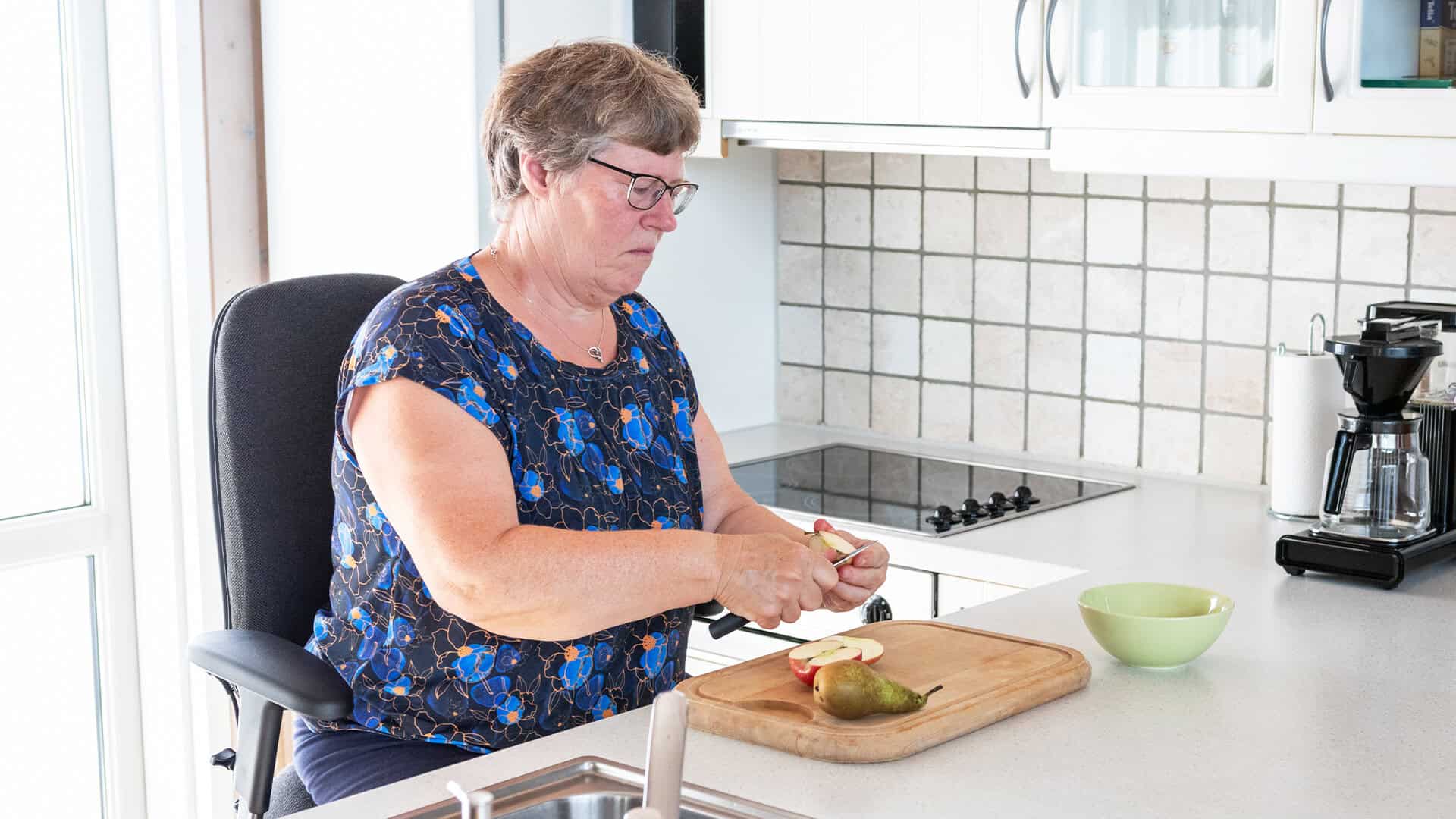
While traditional nursing homes provide essential support services, many seniors in Marysville prefer to remain in their own homes as long as possible. Innovative mobility solutions such as the VELA Independence Chair play a crucial role in enabling such preferences. This medically approved mobility chair is designed for home use, offering enhanced safety and freedom of movement while seated. It supports daily activities like cooking, dressing, or transferring, thereby reducing the load on informal caregivers and significantly delaying the transition to more comprehensive care environments.
- For more information on how these chairs help at home, visit: help for seniors at home
- To explore how VELA chairs support independent living, visit: seniors living independently
Recent technology trends show a surge in AI and sensor-enabled mobility aids, including smart walkers and exoskeletons with real-time fall detection, terrain adaptation, and voice-activated controls. These devices offer enhanced safety, independence, and convenience, instantly adjusting support based on the user’s environment and needs.[8] [9]
Robotic exoskeletons for rehabilitation and 3D-printed, custom-fit mobility devices are also emerging, further supporting seniors with chronic conditions. These smart technologies help blur the lines between home-based and facility care, enabling hyper-personalized, data-driven support that adapts over time.[4] [10]
Technologies for remote monitoring, virtual caregiver assistance, and integrated home automation enhance peace of mind for families and help delay institutional care. These solutions are increasingly crucial amid ongoing workforce shortages, providing proactive care and safety for seniors aging alone.[8]
Charting the Path Forward for Senior Care in Marysville
Strategic planning is vital for Marysville’s approach to senior care, ensuring affordable and supportive care environments tailored to its growing elderly population. Addressing the financial, mobility, and social needs of seniors is crucial for enhancing quality of life. Insights from the Washington Office of Financial Management suggest the county is poised for continuous demographic shifts, emphasizing the need for future-oriented care solutions.
Recent policy and regulatory updates reflect a sustained drive for inclusive, AI-enhanced, and sensor-based assistive devices, but no significant regulatory changes have occurred. Nevertheless, there is more investment in privacy, ethics, and affordability of these technologies, with initiatives focused on digital literacy for seniors and ensuring broad, equitable access.[7] [8]
Drivers such as the increased prevalence of chronic illness and the wish to age in place continue to shape the market, pushing the development of hyper-personalized, interconnected care. Workforce shortages are accelerating the adoption of AI-powered and telehealth solutions, redefining how home-based and facility care are delivered as families look for flexible and responsive support.[10]
Marysville families are encouraged to explore their options diligently, consider financial implications, and prioritize proximity to support networks when choosing care plans. By doing so, they ensure their loved ones receive the best possible care tailored to meet both current and future needs.
Staying Independent at Home with Support
Maintaining independence at home is a desire shared by many seniors, and mobility solutions like the VELA Chair can help make this aspiration a reality. These chairs offer specific features that enhance safety, such as a central brake, and provide electric height adjustability for ease of transfers and energy conservation. This smart seating empowers seniors to continue engaging in everyday activities like cooking and cleaning, fostering a sense of freedom and dignity. In 2026, even more advanced user-centered technologies are available, including AI-powered motion sensors, remote fall alerts, smart grab bars with sensors, companion robots, and AI-chat assistants for cognitive and social support.[7] [8]
Wearable devices and IoT-connected platforms now enable immediate communication with caregivers, and smart rehabilitation technologies offer personalized training at home. These advances help delay the need for nursing home care, supporting continued autonomy and well-being. Inclusive design, equitable digital access, and ongoing regulatory attention to privacy and ethics are shaping how these innovations reach Marysville’s senior community.[10]
While VELA chairs remain a proven and practical solution for comfortable, independent living, families are encouraged to stay informed of the latest smart mobility, telehealth, and assistive innovations for elderly support at home.
Sources
- Connected Nation, “How technology is enhancing the well-being of older adults,” 2025.
- AR Home Care, “7 Must-Have Assistive Devices for Elderly Parents in 2025,” 2025.
- UC Davis Health, “Interactive Care Platform for Cognitive Impairment and Family Connectivity,” 2025.
- PMC (NCBI), “Integrating AI and Assistive Technologies in Healthcare,” 2025.
- LetsEnvision.com, “What’s Next for 2025: The Future of Assistive Technology & AI Assistants,” 2025.
- The Good Life SV, “AgeTech 2025 coverage,” 2025.
- Seniors Blue Book, “A Guide to Useful Technology for Older Adults in 2025,” 2025.
- Geriatric Assistive Devices Market: Trends, Technologies & Outlook, 2026.
- Medtronic, “6 Healthcare Tech Trends for 2026,” 2026.
- Age in Place Tech, “AI and Older Adults — What’s Now and Next in 2026,” 2026.