

Updated January 2026: We have updated the article with the latest advancements in smart technology integration for mobility aids, including IoT sensors, AI-driven personalization, wearable robotics, telehealth-connected devices, and emerging exoskeletons. The article now reflects up-to-date trends in remote monitoring, caregiver support via smart home systems, and new policies on insurance coverage for smart assistive devices.
Addressing the Growing Need for Elderly Support in Memphis
As the population of seniors in the U.S. continues to rise, the demand for comprehensive care solutions also grows, particularly in the Mid-South region, including Memphis. This area faces unique challenges due to its high poverty rates and limited healthcare access, making the need for sustainable and adaptive care solutions more pressing. According to the Memphis Metropolitan Planning Organization (MPO), the population of adults aged 65 and older is steadily increasing in the area. Moreover, BlueCare Tennessee indicates that social determinants can influence health outcomes by over 40%, highlighting the importance of addressing these critical factors. With this context in mind, exploring the options for Mid-South senior care becomes not only vital but imperative.
Understanding the Senior Care Needs in the Mid-South Region
Navigating the landscape of senior care in the Mid-South requires a nuanced understanding of economic and social challenges specific to the region. Poverty significantly impacts healthcare access for seniors in Memphis. Social determinants such as income, education, and living conditions play critical roles in shaping health outcomes. According to Rev. Kenneth S. Robinson of the United Way of the Mid-South, tackling these factors is essential for improving health status. Consider an elderly individual in Memphis, struggling to afford transportation for routine check-ups, illustrating the barriers that social determinants create in accessing essential healthcare services.
Home Care and Assisted Living Options in Memphis
For seniors assessing their care options, home care and assisted living each present distinct advantages. Aging in place—remaining in a familiar home environment—provides comfort and continuity. Home care services, such as those from Premier Home Care, offer personalized assistance that fosters independence. Imagine an elderly woman in Memphis benefiting from at-home physical therapy sessions, enabling her to maintain mobility without the stress of relocating to a facility. Such individualized care plans can significantly improve the quality of life for seniors seeking to age in place.
Navigating Medicare and Medicaid Resources in Tennessee
Understanding and accessing Medicare and Medicaid benefits can be daunting for seniors. Mid-South Aging Consultant offers guidance in simplifying these complex systems, ensuring seniors receive the benefits they are entitled to. One senior’s testimonial from Mid-South Aging Consultant underscores the importance of professional help, revealing how expert guidance enabled her to maximize her Medicare benefits efficiently, highlighting the value of expert navigation in healthcare resources.
Enhancing Senior Mobility and Safety at Home
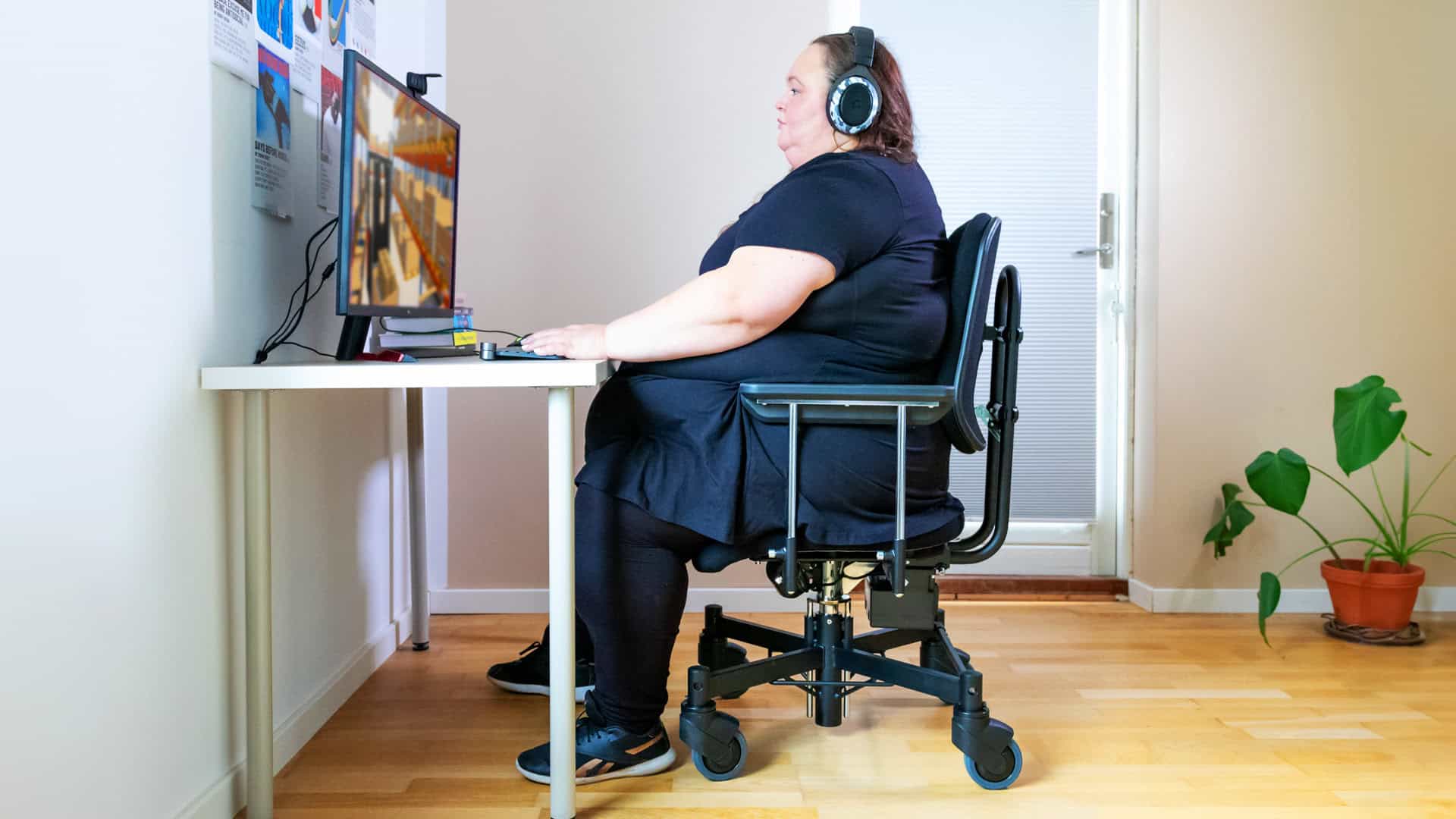
Safety at home is paramount for maintaining independence. Mobility solutions, including home safety modifications and fall prevention strategies, play crucial roles. Meeting the challenges presented by nursing homes, many seniors are looking for ways to remain independent in their own homes while ensuring safety and comfort. The introduction of innovative tools such as the VELA Independence Chair provides an effective alternative for those striving to maintain autonomy. This medically approved mobility chair is specifically designed for home use, enhancing safety with features like a central brake, offering freedom of movement while seated, and supporting daily activities like cooking or dressing. Its ability to reduce the demand on informal caregivers makes it an invaluable asset in the home care landscape.
Recent advancements in assistive technology now further support independent living for seniors. Current trends include the integration of smart technologies, such as IoT-connected mobility aids with real-time fall detection, GPS tracking, and caregiver alerts. AI-powered assistants provide voice-activated control for devices including wheelchairs, beds, and walkers, while robotic exoskeletons are emerging to support gait assistance, particularly for seniors with neurological conditions. Wearable robotics, predictive fall risk analytics, and AI-driven reminders for medication or exercise are now supporting rehabilitation and daily routines. Combined with telehealth and remote monitoring via smartwatches and home sensors, these technologies help reduce caregiver burden and promote aging in place.[1][2][4][5]
Safety monitoring solutions leverage discreet smart sensors and interconnected apps, allowing caregivers to receive instant alerts while maintaining the senior’s privacy. New advancements include adaptive device ergonomics, lightweight customizable designs equipped with sensor technology, and aging-in-place solutions like smart pill dispensers. Efforts to strengthen digital literacy ensure that seniors can adapt to and benefit from these technologies. These inclusive, user-centered innovations are co-created with feedback from older adults and healthcare professionals, maximizing accessibility and effectiveness.[3][7]
Comprehensive Solutions for Aging in Place in the Mid-South
In summary, the pathways to effective senior care in the Mid-South region are multifaceted, bridging personal, economic, and healthcare dimensions. From understanding the pivotal role of social determinants to evaluating home care versus assisted living, and from navigating healthcare resources to implementing mobility solutions, each aspect requires meticulous consideration. Resources like BlueCare Tennessee and Premier Home Care offer valuable insights and guidance for seniors endeavoring to navigate these challenges with dignity and independence. As we strive for comprehensive solutions, these efforts collectively contribute to a robust framework for aging in place, ensuring our seniors in the Mid-South embrace their golden years with the support and respect they deserve.
Recent regulatory and policy trends have begun to expand insurance coverage for smart durable medical equipment (DME), supporting the adoption of integrated assistive technologies. Clinical guidelines emphasize the importance of AI-enabled and remote rehabilitation for individualized support, and international industry events continue to showcase award-winning products that incorporate feedback from both users and caregivers. These converging trends foster inclusive, accessible, and adaptive technology for the senior population.[2][4][5][8]
Staying Independent at Home with Support
For many seniors, maintaining independence at home is preferable to transitioning to nursing homes. Tools like the Mobility Chairs for Seniors offer practical support to delay or even eliminate the need for such transitions. VELA Chairs, with features tailored to enhance safety, such as a central brake system, ease of movement, and electric height adjustability, help seniors navigate their daily tasks more efficiently. Imagine preparing a meal or performing simple chores without the strain of standing for long periods. With these chairs, essential activities become less burdensome, reducing the load on caregivers and preserving the dignity and freedom of the senior citizen. While VELA is not the only solution, it represents a proven, practical approach to supporting aging in place effectively and compassionately.
The rapidly evolving selection of assistive products now includes options such as wearable exoskeletons for gait support, IoT-enabled fall detection and GPS location, nanotechnology-enhanced self-repairing materials, and telehealth-linked devices for comprehensive health management. AI-driven features such as predictive analytics, personalized reminders, and remote monitoring via home sensors offer convenience and reassurance for both seniors and caregivers. These advancements continue to improve quality of life, empower independent living, and reflect a focus on user-centered, evidence-based design for confident and secure aging at home.[1][3][4][6][8]
References
- Sweeting A. “The Role of Assistive Technology in Enabling Older Adults…” PMC (2024). Access article
- Envision Community report “What’s Next for 2025: The Future of Assistive Technology & AI Assistants” (Dec 2024). Read more
- “15 Best Assistive Devices for Elderly [Tested & Rated]” SeniorSite (April 2025). See list
- Geriatric Assistive Devices Market: Trends, Technologies & Outlook (2025). Full report
- Assistive Technology Devices: Helping Seniors Age In Place, University of Florida (March 2025). Article
- “13 CES 2025 award-winning assistive tech innovations” ConnSense Report (Feb 2025). Full report
- Evmenova AS. “Assistive Technology Outcomes and Benefits – Volume 19” ATIA (June 2025). Download PDF
- AI and Older Adults — What’s Now and Next in 2026, AgeInPlaceTech. Report