

Updated February 2026: We have updated the article to reflect recent advancements in AI-driven predictive analytics for fall prevention, smart mobility aids including robotic exoskeletons and balance-assist wearables, voice-activated smart home systems, smart flooring for real-time instability detection, virtual/augmented reality for rehabilitation, integrated telehealth kits, and improvements in 5G/IoT connectivity—all enhancing nighttime safety, comfort, and independence for elderly individuals at home.
Night Care for Elderly at Home: Ensuring Safety, Comfort, and Independence
As the elderly population grows, more seniors prefer to age in place, leading to a higher demand for “night care for the elderly at home.” According to the U.S. Census Bureau, the senior demographic is expanding rapidly, which correlates with increased overnight care needs. The A Place for Mom – 2025 Home Care Costs Report predicts the median cost for nonmedical in-home care will reach $33 per hour by 2025. The National Institute on Aging highlights the importance of understanding diverse service offerings to ensure seniors enjoy a high quality of life at home.
Understanding Night Care for Elderly at Home
Night care involves professional assistance during nighttime hours to ensure seniors’ safety and well-being. This is particularly important for those with conditions such as dementia or chronic diseases that require constant nighttime supervision, preventing issues like wandering or medical emergencies. For instance, consider an elderly individual with Alzheimer’s who benefits from continuous night monitoring to prevent wandering. Guidelines for selecting reliable caregivers are available from the National Institute on Aging, stressing the importance of tailored caregiving.
Who Needs Nighttime Support? Key Health and Safety Triggers
Nighttime support becomes vital for seniors experiencing health conditions like fall risks, incontinence, or needing post-hospital discharge recovery. Professional support in these hours not only enhances physical safety but also boosts psychological well-being by offering peace of mind to families. For example, an elderly person recently out of the hospital may require help with mobility and medication management. Citing Family & Nursing Care, there’s an increasing tendency to focus on such complex care requirements.
Types of In-Home Night Care Services: Medical vs. Nonmedical
Medical night care services typically involve health professionals who monitor and manage health conditions, while nonmedical services provide companionship and aid with daily tasks. Each care plan should be individualized to promote ease of mind or improve sleep. Per A Place for Mom, personalizing caregiving approaches is paramount for their effectiveness. Consideration is given to seniors who may employ nonmedical care for companionship, helping to alleviate anxiety and enhance sleep.
Benefits of Night Care: Safety, Comfort, and Independence
The provision of night care offers numerous advantages, including minimizing fall risks and ensuring rapid responses to health crises. Additionally, it offers emotional comfort and a heightened sense of independence to seniors, knowing help is present if needed. Imagine a senior feeling secure knowing a caregiver can assist with nighttime bathroom trips. Premier Home Care suggests the growing demand for such services stems from an increasing preference to remain at home among seniors.
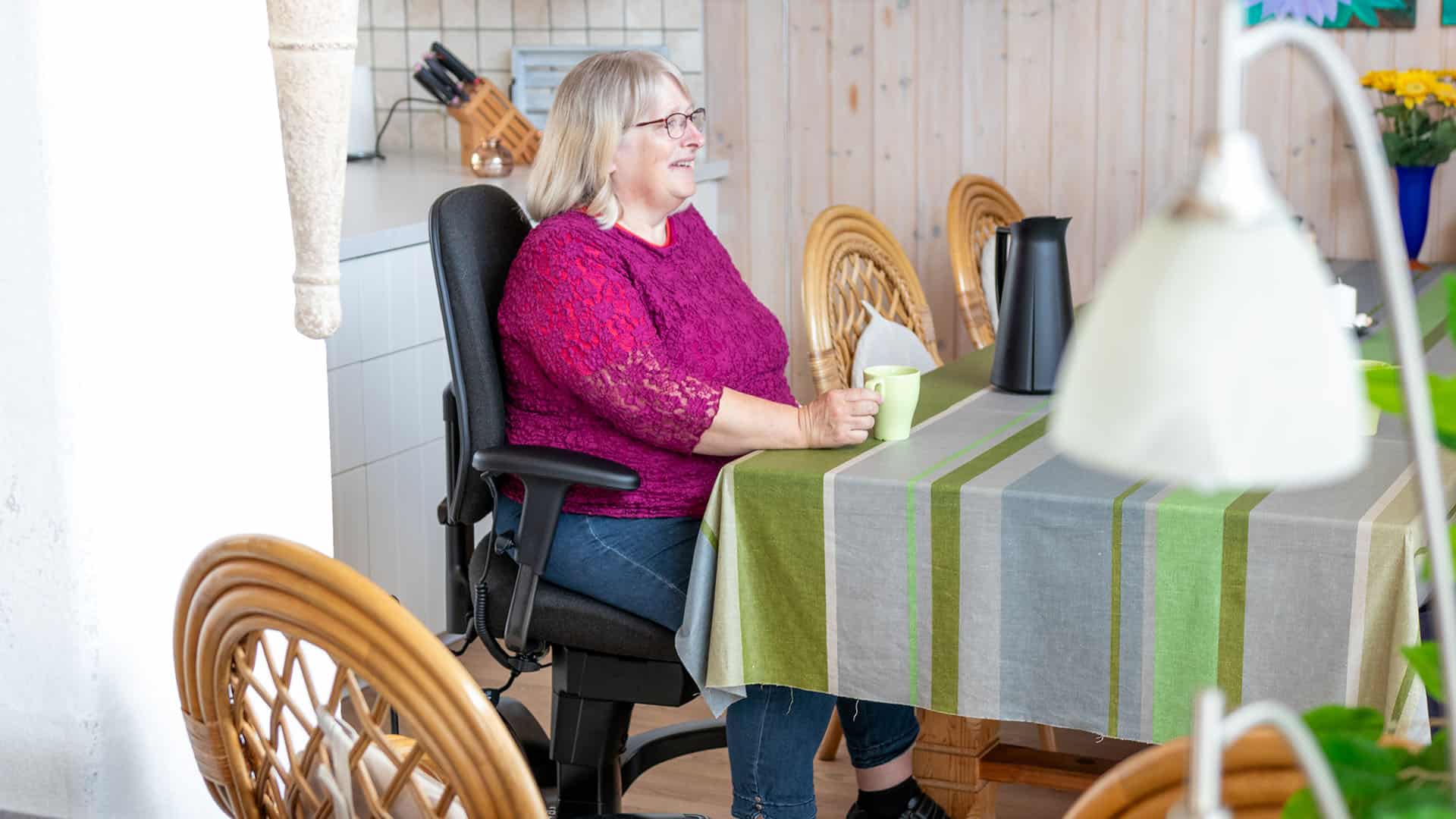
As seniors face the challenge of maintaining independence, moving into a nursing home is not the only solution. Home-based mobility aids like VELA chairs provide a significant advantage in supporting older adults to live independently at home. VELA chairs are medically approved mobility solutions that enhance safety and offer freedom of movement while seated. Featuring easy height adjustments, lockable wheels, and robust support for everyday tasks such as cooking, dressing, or transferring, these chairs significantly reduce the caregiving load on family members. Learn more about how VELA Mobility Chairs can play a crucial role in fostering independence and safety during nighttime care.
Innovative Technologies and Smart Home Integration for Nighttime Safety
The landscape of nighttime care has evolved significantly, now featuring advanced AI-driven predictive analytics for fall prevention and a new generation of smart mobility aids, such as robotic exoskeletons and balance-assist wearable devices. These solutions proactively monitor movement and provide real-time feedback, greatly reducing the risk of nighttime falls and hospitalizations.
Smart home systems now incorporate voice-activated controls for lighting, thermostats, and security, enabling elderly users to manage their environment without getting out of bed. Motion-activated smart flooring can detect gait instability, providing instant alerts or even activating environmental adjustments for hazard reduction. Integrated with wearable vital sign monitors that send night-specific alerts for sleep disturbances or irregular activity, these tools support a more responsive and personalized safety net.
Virtual and augmented reality (VR/AR) applications are being used for cognitive rehabilitation and home-based therapy, beneficial for those experiencing night-time disorientation or recovering from injury. Robotic companions and assistive robots now play a dual role, offering both mobility support for night transfers and alleviating loneliness through conversation or reminders. All of these systems are supported by next-generation 5G/IoT connectivity, enabling seamless remote monitoring, instant data transmission, and integration with telehealth kits for nighttime consultations—minimizing the need for frequent in-person checks and providing caregivers respite.
The evolution from basic night lighting and manual alarms to AI-enhanced devices—such as auto-braking smart walkers, predictive fall analysis platforms, and motion-activated smart flooring—ensures safety is proactive rather than reactive. Ethical considerations regarding data use and maintaining comfort are central, with human-AI collaboration now preferred for delivering dignified, responsive care at night.
These advances reinforce a model where technology does not replace caregivers, but augments their effectiveness and allows seniors to safely, comfortably, and independently age in place. University of Florida Institute on Aging Family Caregiver Alliance
AI-powered fall detection and wearable health devices have become standard in anticipating and mitigating nighttime risks. These technologies—integrated with telemedicine platforms—allow for real-time remote monitoring and rapid response to emergencies, reducing the necessity for immediate physical intervention. Virtual healthcare services now offer consultations, monitoring, and interventions for seniors during night hours, enhancing access and supporting both caregivers and the elderly themselves.
In addition, the field of ergonomics and rehabilitation is increasingly shaped by direct feedback from seniors through co-creation, resulting in user-centered designs and greater acceptance of assistive products. These trends ensure sustained adoption and optimal usability. J Med Internet Res
Home safety technology now routinely incorporates motion-activated lighting, smart detectors for smoke or carbon monoxide, video doorbells, app-connected fall sensors, and remote-controlled security devices—all reducing nighttime fall risk and improving response times during emergencies. Customizable grab bars and support handles are designed not only for safety and ergonomics but also for integration with home decor, making them more acceptable and comfortable for seniors to use. The application of inclusive and user-centered design means current solutions adapt to seniors’ evolving capabilities. University of Florida Institute on Aging SeniorSite
Community Resources, Flexible Policies, and Sustainable Use
Recent research emphasizes that seniors’ needs and use of mobility and assistive devices change over time, calling for flexible policies at both community and governmental levels. Governments and health systems are supporting independent living through new subsidies, tax incentives, and expanded community programs, particularly in the US, Europe, and parts of Asia. Rental, recycling, and co-creation initiatives—guided by direct user feedback—are becoming essential to ensure ongoing, equitable access to the best possible solutions while minimizing cost and environmental impact.
Integrated ecosystems and policy support help address the ongoing caregiver shortage, enabling more effective, sustainable care for seniors aging at home. J Med Internet Res IMARC Group
Finding Balance in Night Care Options
To conclude, night care significantly influences an elderly person’s ability to stay safely at home. Devices like VELA chairs contribute by enhancing mobility and safety. According to the National Institute on Aging, exploring different caregiving options, integrated technologies, and supportive policies is crucial for optimizing the care experience, ensuring seniors can age at home with dignity and safety.
Reducing Caregiver Burden Through Smart Seating and Assistive Innovation
Staying independent at home is a priority for many seniors, and mobility solutions such as VELA chairs can significantly support this goal. These chairs are designed to help reduce fall risks and facilitate easy transfers, which are critical for maintaining safety and independence. Equipped with features like a central brake for stability, and electric height adjustability, VELA chairs provide ease of movement even while seated. In everyday settings, whether preparing a meal or moving between rooms, the benefits of a VELA chair are tangible. Without such aids, tasks can be daunting, potentially ushering a quicker transition to a nursing home. Innovations in ergonomic design, AI-integrated mobility equipment, smart home automation, and connected healthcare systems now offer additional layers of safety and autonomy. These advances, combined with rising adoption of integrated night care ecosystems, further lighten the caregiver’s load and empower seniors to thrive at home.
The global market for such assistive technology is expanding rapidly due to demographic changes, increased demand for independent living, growth in AI-driven tools, and expanded policy support. VELA Chairs for Seniors PR Newswire – Technavio Cyces University of Florida Institute on Aging Family Caregiver Alliance