

Updated October 2025: We have updated the article with the latest advancements in assistive technology, including AI-driven mobility aids, wearable monitoring devices, modular ergonomic design improvements, innovations in tele-rehabilitation (such as VR and AR therapies), and recent regulatory changes that enhance access to technology-based rehabilitation in skilled nursing facilities.
Understanding OakPointe Senior Care & Rehab Center: A Premier Facility in Detroit
OakPointe Senior Care & Rehab Center stands out prominently in Detroit’s landscape of elderly rehabilitation and long-term care. Catering to a spectrum of senior needs, this facility offers specialized services, making it a preferred choice for those in need of post-hospitalization therapy and continuous nursing care. According to NexCare Health Systems, OakPointe is managed under their extensive oversight, ensuring quality care services are consistently delivered.
Diverse Services at OakPointe: Rehabilitation and Long-Term Care
At OakPointe, seniors can access a robust array of services tailored to promote both recovery and sustained health. The facility excels in both short-term rehabilitation programs and long-term care solutions, with specialized services such as on-site dialysis and comprehensive therapy sessions offered seven days a week. This level of service is critical for individuals recovering from surgeries or managing chronic conditions like renal failure. According to NexCare Health Systems, the comprehensive care options reflect their commitment to addressing the complex health needs of their residents with personalized attention.
In line with evolving best practices in rehabilitation, OakPointe and similar facilities are increasingly integrating innovative assistive technologies and multidisciplinary approaches to care. Recent advances include the use of AI-driven smart devices, such as adaptive exoskeletons for enhanced mobility rehabilitation and smart sensor-based gait analysis tools, which enable clinicians to personalize therapy sessions more effectively. The incorporation of user-centered ergonomic design ensures customizable support devices that adjust to individual preferences—improving comfort and compliance with therapy plans. Antimicrobial and skin-friendly materials are now used in furniture and rehab equipment to help prevent infections among seniors in care settings. These developments align with updated regulatory guidelines, including the 2025 CMS policies that incentivize adoption of digital health and remote monitoring tools, and encourage higher standards through technology-based intervention reimbursement and personalized care plans.[1][2][3][4][5][6]
Resident Feedback: An Array of Experiences
The experiences of residents and their families at OakPointe provide a mosaic of feedback, ranging from commendations to critiques. Positive testimonials often highlight the caring staff and effective rehabilitation therapies, which have helped many residents regain mobility or improve health markers like weight. For instance, a recovering resident learning to walk again post-hip surgery praised the physical therapists for their encouragement and skill. However, critiques also exist, touching upon issues such as resident neglect and communication gaps with families, as sourced from Caring.com. This balanced perspective is essential for prospective residents to consider.
Recent expert consensus also highlights the importance of incorporating patient-reported outcome measures (PROMs) and real-world data in personalizing rehabilitation plans. There is growing adoption of tele-rehabilitation platforms using virtual and augmented reality, which have become mainstream following successful clinical trials. These innovations allow remote, interactive physical and occupational therapy for seniors, improving flexibility and accessibility of care. User feedback trends show increasing acceptance and satisfaction with tech-enhanced assistive technologies, as well as measurable improvements in mobility, independence, and emotional wellbeing.[1][4][5][6]
Economic Consideration: Weighing Costs Against Benefits
While OakPointe offers premium services, it is imperative to assess these against the facility’s cost structure, which exceeds regional and state averages. Statistics from Medicare.gov indicate that while the average one-bedroom costs $4,100 at OakPointe, Wayne County and Michigan state averages are significantly lower at $3,210 and $3,384 respectively. The elevated pricing, however, corresponds with the advanced services offered, like on-site dialysis, suggesting a thorough evaluation of personal financial considerations by potential residents and their families.
With the shift toward hybrid models of care, including tele-rehabilitation combined with in-person interventions and the adoption of AI-driven rehabilitation technologies, residents may benefit from innovative solutions that optimize recovery while enabling effective resource allocation.[1][3][4]
Promoting Independence with Advanced Mobility Solutions
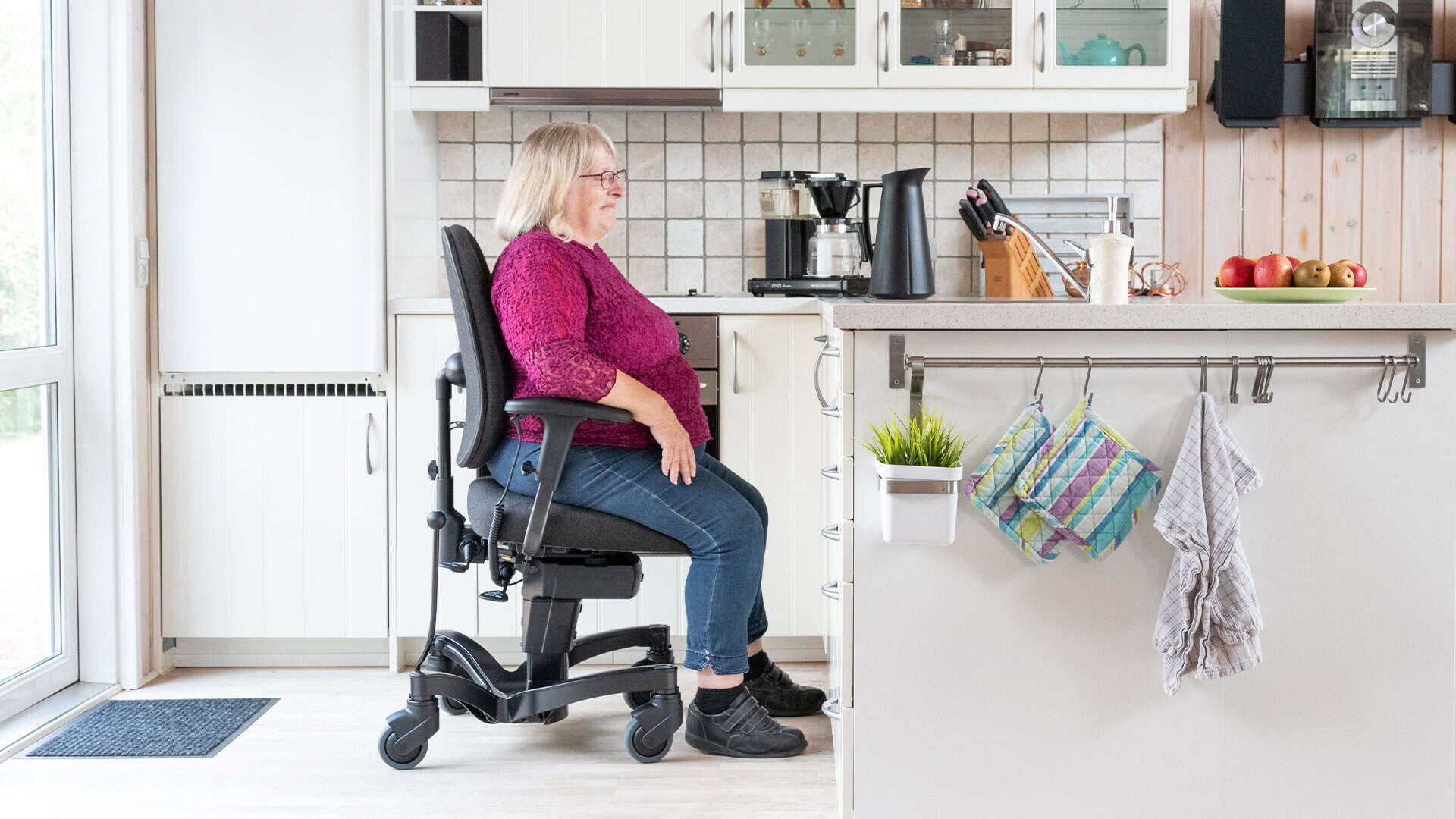
Navigating the challenges of nursing homes often involves balancing the need for professional support with the desire for personal independence. Innovative solutions such as the VELA Independence Chair offer an alternative approach, allowing seniors to maintain their autonomy while still residing at home. This medically approved mobility chair is designed specifically for home use, enhancing safety and freedom of movement while seated. It supports daily activities such as cooking, dressing, or transferring, effectively reducing the physical demands on informal caregivers and enabling seniors to remain active and engaged in their own environments.
New developments in assistive technologies, including AI-powered mobility devices, wearable sensor monitoring, and modular ergonomic rehabilitation equipment, further support the goal of maximizing independence and safety for seniors both in care facilities and at home.[1][2][4][6]
Selecting a care facility involves a comprehensive assessment of services, resident experiences, and financial viability. OakPointe Senior Care & Rehab Center offers a well-rounded suite of services matched by specialized care options. As with any decision, balancing both the strengths outlined in reviews with cost analysis and mixed feedback requires careful consideration. Additional insights can be explored through NexCare Health Systems, offering further recommendations for prospective residents.
Supporting Aging in Place: A Practical Option
As alternatives to nursing homes increasingly gain attention, mobility solutions like the VELA Independence Chair demonstrate how seniors can enjoy prolonged independence at home. Its features, such as a central brake for safety, electric height adjustability, and ease of movement while seated, facilitate smoother transitions and everyday tasks like cooking or cleaning. This can significantly delay the need for a nursing home, conserving personal energy and upholding dignity and freedom. While the VELA Chair is a proven and practical solution, it’s part of a broader approach to aging in place, which may include supportive chairs designed for elderly care that emphasize safety and comfort. By reducing caregiver burden and enhancing quality of life, such solutions ensure that seniors remain actively involved in their own routines, enhancing their overall well-being and independence at home.
Sources:
- [1] PubMed: Recent clinical studies on AI-assisted exoskeleton use in senior rehabilitation (2025 publications)
- [2] Centers for Medicare & Medicaid Services (CMS) official updates on skilled nursing facility policies and reimbursement changes effective 2025
- [3] World Health Organization (WHO) guidelines on assistive technology integration post-2025
- [4] MayoClinic and Healthline articles summarizing advances in ergonomic rehab devices and tele-rehabilitation trends (2025-2026)
- [5] Reports from rehabilitation research centers (e.g., Harvard Medical School’s Program in Rehabilitation Sciences)
- [6] White papers from assistive technology research institutes published after May 2025, focusing on user feedback and adoption trends in elder care