

Updated September 2025: We have updated the article to include recent advances in AI-powered assistive technology, smart home integration, wearable health devices, and telemedicine for seniors. New information on ergonomic mobility aids, the role of virtual healthcare, and user perspectives on accessibility challenges has also been added, reflecting the latest trends and guidelines in senior care.
Navigating Senior Care with Odom’s Comprehensive Services
With the global elderly population projected to reach 2 billion by 2050, as reported by UNESCO, the demand for specialized senior care services becomes increasingly critical. This article explores how Odom Senior Care meets this challenge through its dual focus on therapy services and senior living referrals, ensuring seniors receive the best possible care and support.
Innovative Therapy Solutions for Senior Well-being at Odom Rehab
Odom Rehab operates with a holistic approach to senior therapy, offering services such as physical, occupational, and speech therapies, primarily helping seniors achieve higher levels of independence and well-being. Their innovative approach to therapy is backed by evidence-based practices and verified professional treatment protocols critical to enhancing seniors’ health.
Odom Rehab is incorporating the latest advancements in AI-powered assistive technology to further support therapy outcomes. These evolving solutions, such as seamless AI assistants, answer user queries and perform contextual tasks, significantly improving accessibility for people with disabilities, including those with visual impairment. In addition, wearable health devices, remote monitoring, and personalized rehabilitation tools aid in customized care, supporting proactive health management and independence for seniors.[5], [2], [1]
One of the standout programs is “Safe and Sound,” Odom Rehab’s fall prevention initiative. This program utilizes a thorough process of risk assessment, identifying modifiable risk factors in collaboration with nursing staff, caregivers, and family members, leading to tailored interventions for seniors. For instance, Jane, a 78-year-old participant, regained her confidence to move around her home without assistance after only weeks in the program, which substantially reduced her fall risks, according to Odom Rehab’s official site.
Enhancing Quality of Life Through Sensory-Based Dementia Care
Dementia care at Odom Rehab is distinguished by the SensAbility program, leveraging sensory stimulation techniques to enhance patient engagement and reduce agitation. This multi-sensory treatment approach employs visual, auditory, and tactile stimuli, showing significant improvements in patients’ cognitive engagement and mood stability. In one case, a patient benefited from this personalized care approach, exhibiting improved social interactions and a decrease in agitation episodes after targeted sensory interventions as detailed on Odom Rehab’s official site.
Recent developments in personalized AI-driven cognitive therapy apps and smart wearables also provide additional tools for dementia support, offering monitoring of cognitive health and tailored engagement activities. These AgeTech innovations are increasingly recognized in clinical guidelines and show promise in improving outcomes for seniors affected by cognitive decline.[4], [7]
Revolutionizing Senior Living Choices: From Lamar Odom to ZNest
Odom Senior Care’s referral services have evolved to emphasize transparency and affordability in senior living. Initially founded by NBA star Lamar Odom, driven by the personal quest to find suitable care for his 96-year-old grandmother, the service has broadened its mission through integration with ZNest following its acquisition.
According to Business Wire, this acquisition enhances the scope of available affordable senior living options by negotiating rates and offering families comprehensive resources for making informed decisions. Lamar Odom’s personal experiences underpin the authenticity and dedication driving Odom Senior Care’s ongoing mission to bridge the gap between seniors and quality living options.
In 2025, the senior living landscape now includes broader integration of smart home automation, such as voice assistants, smart locks, and lighting. These interoperable technologies enhance autonomy and safety for residents, while wearable health devices provide real-time safety monitoring, supporting independent living and proactive care management.[2], [1]
Enhancing Mobility and Safety for Seniors with VELA Chairs
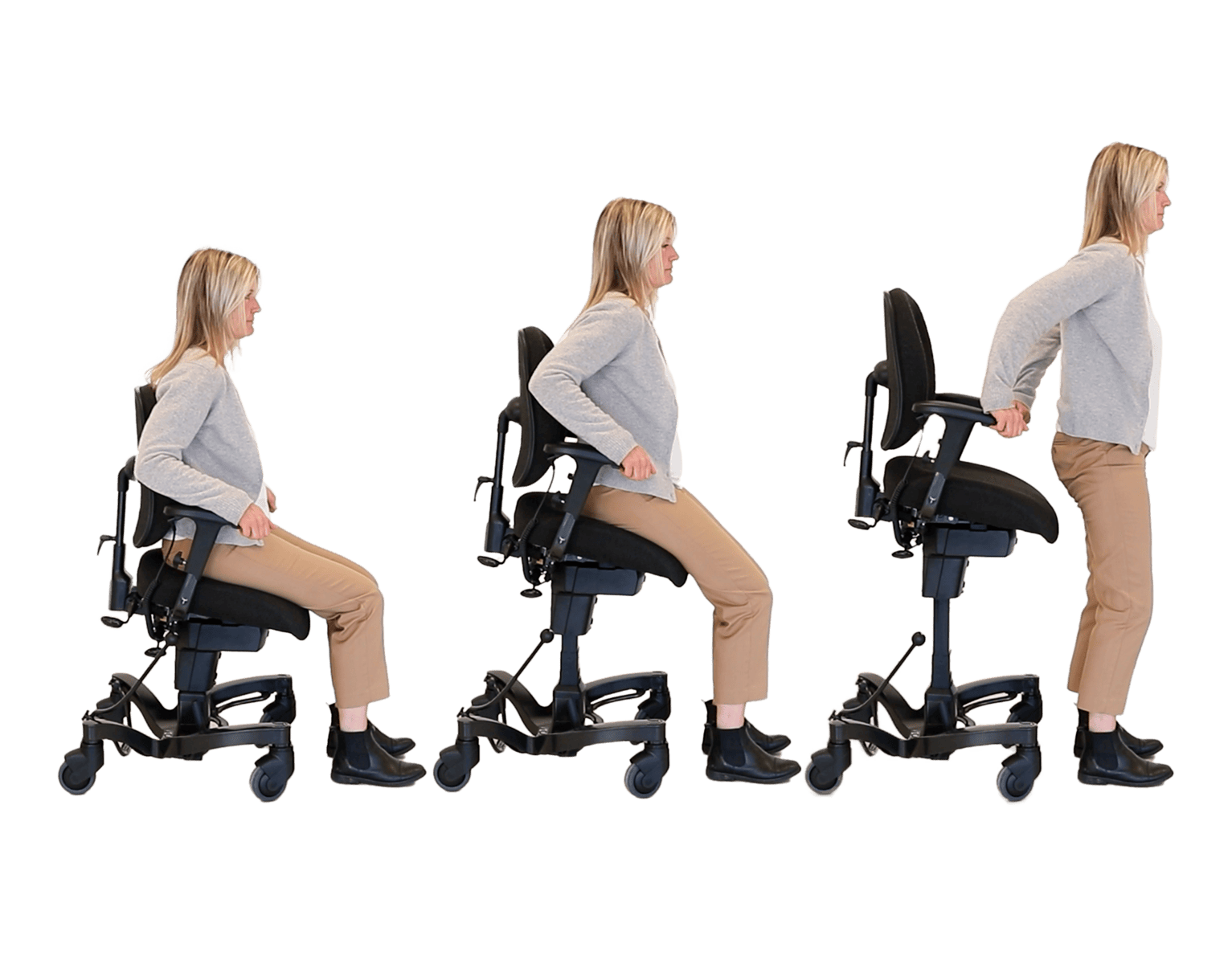
As many seniors opt for independence over transitioning to nursing homes, ensuring safety and mobility at home becomes paramount. Here, tools like the VELA mobility chair emerge as vital solutions. Medically approved, the VELA chair is engineered to provide enhanced safety, freedom of movement while seated, and crucial support for daily activities such as cooking, dressing, or transferring. This design not only aids the users but also eases the burden on informal caregivers, significantly improving quality of life and delaying the need for institutional care by facilitating a safe and independent living environment.
Recent advancements in mobility aids now include an increased focus on ergonomic design and customization, offering better fit and intuitive controls for seniors and people with disabilities. Intelligent mobility aids, including AI-enhanced smart glasses and affordable customizable wheelchairs, are improving physical rehabilitation outcomes and comfort during daily use. These solutions also support home-based remote monitoring and fall detection, contributing to a safer, more personalized care environment.[3], [4], [6]
Navigating the Senior Care Landscape with Odom’s Comprehensive Services
Odom Senior Care represents a unique blend of therapy services and senior living solutions. Through endeavors like Odom Rehab’s specialized programs and the enhanced senior living referral service affiliated with ZNest, Odom continues to set a benchmark for excellence in senior care. Seniors and families can rely on Odom’s evidence-based, compassionate approach to navigate the complex landscape of senior care services, as noted by Seniors Housing Business.
The senior care field is also seeing increased adoption of telemedicine and virtual healthcare as standard practice, offering remote consultations, proactive management, and real-time oversight. Emerging regulatory and clinical guidelines recognize the value of AI-driven solutions and wearable health technologies within rehabilitation and care planning. Despite these advances, users note ongoing challenges in accessibility and usability, particularly for those with severe disabilities, highlighting the continual need for improved design, training, and support in assistive technologies.[7], [6]
Supporting Aging in Place: A Practical Option
VELA chairs offer a tangible advantage for seniors preferring to age in place. By incorporating features like a central brake for added safety and electric height adjustability, these chairs enhance a senior’s ability to perform daily tasks independently, such as cooking or transitioning between different household areas. This improved mobility can help postpone the need for nursing home care, supporting autonomy and dignity while managing energy levels. The ability to glide effortlessly while seated reduces the risk of falls and minimizes physical strain on both seniors and their caregivers. Although no single solution fits all, products like supportive seating solutions for seniors at home offer a proven option to maintain safety and independence in the home environment.
Additional sources:
- Harvard Business Review on senior living technology trends 2025
- ButterflyMX senior living technology trends 2025
- NextMSC market report on assistive devices for elderly and disabled
- The Good Life SV on AgeTech innovations at CES 2025
- Envision overview of AI assistants in assistive technology
- Accessibility.com and WIPO report on assistive technology challenges
- Health Dimensions Group 2025 Top Trends in Aging Services