

Updated September 2025: We have updated the article to include the latest advances in AI-powered assistive technology, smart home integration, telehealth, and ergonomically inclusive design for seniors. New findings highlight the impact of robotics, smart wearables, and integrated digital health platforms in promoting independence, safety, and social as well as functional companionship for older adults.
Understanding Papa Senior Care: The Modern Approach to Non-Medical Elderly Support
Papa Senior Care has revolutionized elderly support by offering non-medical, home-based companion care focusing on social isolation, a key factor in senior well-being. According to the CDC, “Social isolation was associated with about a 50% increased risk of dementia and other serious medical conditions.” By providing companionship and assistance with daily tasks, Papa enhances the life quality of seniors, particularly those facing loneliness and limited mobility. The service is accessible through Medicare Advantage plans, thus benefiting seniors across different socio-economic backgrounds without additional costs.
Mary, a senior user, shared her experience: “My weekly visits from a Papa Pal have become a highlight in my routine. I feel more connected and less alone.”
The National Institutes of Health supports the importance of addressing social isolation, noting that services like Papa are vital for improving seniors’ quality of life.
Who Benefits from Papa Senior Care? Real-World User Profiles and Demographics
Papa Senior Care serves primarily seniors aged 65 and older along with families caring for aging parents. This demographic often faces mobility issues, transportation challenges, and the need for chronic disease management support. An example is John, a senior who utilized Papa’s services for transportation and light household tasks during his recovery from surgery. He noted, “Having the help of Papa Pals made my recovery smoother and more manageable.”
Papa Senior Care vs. Traditional Home Care: Cost, Flexibility, and Coverage
In contrast to traditional home care, which can be costly, Papa Senior Care offers eligible seniors a $0 out-of-pocket model through Medicare Advantage plans. This model ensures that seniors on fixed incomes can access essential services without financial burden.
A senior from Ohio shared, “Papa’s inclusion in my Medicare plan has been a financial relief; I receive help without worrying about extra expenses.”
Papa’s services do not require long-term commitments, offering flexibility that is rare in traditional home care where long-term contracts are common. For coverage details, Medicare.gov indicates that “Medicare doesn’t cover homemaker services when that is the sole assistance needed,” pointing out the unique niche that Papa fills.
Integrating VELA Chairs for Safer, More Independent Home Care
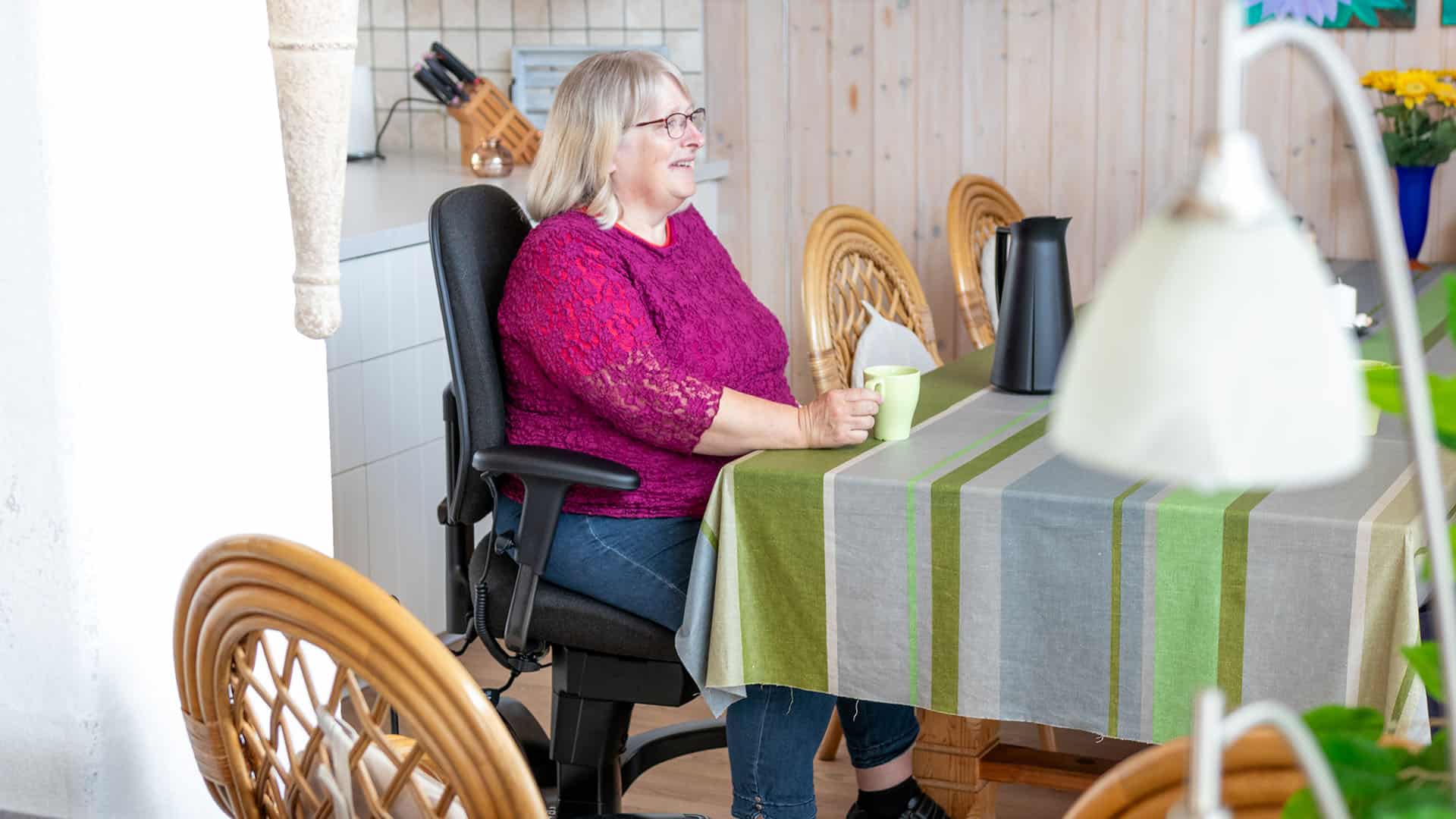
Papa Senior Care excels in delivering social and practical support, while escalating issues of aging in place highlight the growing need for secure and adaptable home environments. As many seniors face challenges in maintaining independence, solutions that provide enhanced safety and autonomy, such as the integration of medically approved aids, could be pivotal. One such solution is the VELA Independence Chair—a mobility chair designed to be used at home. This chair provides enhanced safety and freedom of movement while seated, offering crucial support for activities like cooking, dressing, or transferring, and reduces the burden on informal caregivers.
Resources from VELA Chairs provide insights into how these chairs significantly reduce fall risks, offering peace of mind for seniors and their families.
Maintaining Independence with Papa Senior Care
Papa Senior Care is strategically positioned to tackle social determinants of health, providing accessible and cost-effective solutions for seniors. Innovative solutions, including VELA Chairs, augment the safety and independence of its users. According to Papa Inc., the companion care model not only reduces medical costs but also enhances healthcare utilization, verifying its essential role in elder care.
Recent advancements have significantly broadened the tools available for maintaining independence and safety at home. Seniors now benefit from AI-driven wearables that continuously monitor health indicators—such as fall detection, heart rate variability, and sleep analysis—delivering real-time alerts to caregivers or healthcare providers.[1] Modern mobility aids are increasingly powered by AI, responding adaptively to the user’s needs, while voice-activated smart home systems (controlling lighting, temperature, or appliances) provide further autonomy for those with reduced mobility or other disabilities.[2] Integration with telehealth and remote monitoring platforms is now mainstream, giving seniors and families immediate access to clinical care from the comfort of home.[3] These innovations exist alongside companionship services like Papa Senior Care and supportive equipment such as VELA Chairs, creating a comprehensive ecosystem for aging in place.
Selecting suitable companion care ensures a continuous quality of life for seniors while offering peace of mind to family members, knowing their loved ones are receiving compassionate and effective care.
Supporting Aging in Place: A Practical Option
The ability to age in place remains a desirable goal for many seniors, offering them dignity, comfort, and familiarity. VELA Chairs are a proven and practical option assisting seniors in maintaining this independence for longer. Equipped with features like a central brake for enhanced safety, electric height adjustability, and ease of movement while seated, these chairs directly address common challenges faced by seniors, such as reduced mobility, safety concerns, and energy conservation. Current trends in assistive technology further support these goals, featuring AI-powered smart mobility aids, ergonomically inclusive designs, and integrated digital assistants that enhance both safety and usability for individuals with sensory or cognitive impairments.[4][5] By providing the support needed for routine activities, such as cooking, cleaning, and relaxing, they ease the transition from full independence to a more assisted lifestyle, potentially delaying the need for nursing home care. Supportive chairs aiding seniors’ daily activities thus become integral to a well-rounded care strategy, not replacing but complementing existing caregiver efforts while promoting a more active and autonomous life.
- Cyces: AgeTech Trends 2025: AI, Robotics & the Future of Aging — https://cyces.co/blog/2025-agetech-trends
- ButterflyMX: Senior Living Technology Trends 2025 — https://butterflymx.com/blog/senior-living-technology-trends-2025/
- WA Cares Fund: Leveraging Technology to Support Aging in Place — https://wacaresfund.wa.gov/news/leveraging-technology-support-aging-place
- Cognitive Market Research: Assistive Technology Market Report 2025 — https://www.cognitivemarketresearch.com/assistive-technology-market-report
- Next MSC: Elderly and Disabled Assistive Device Market 2025–2030 — https://www.nextmsc.com/report/elderly-disabled-assistive-devices-market
- Lets Envision Blog: The Future of Assistive Technology & AI Assistants in 2025 — https://www.letsenvision.com/blog/future-assistive-technology
- Market.us Media: Assistive Technology Statistics and Facts (2025) — https://media.market.us/assistive-technology-statistics/
- Health Dimensions Group PDF: 2025 Top Trends in Aging Services — https://healthdimensionsgroup.com/wp-content/uploads/2024/12/2025-Top-Trends-in-Aging-Services_Health-Dimensions-Group.pdf