

Updated January 2026: We have updated the article with new findings on AI-powered personalization, IoT-connected devices, sensor-embedded mobility aids, and current trends in assistive technology, including market growth data, privacy considerations, and holistic digital solutions supporting senior independence and aging in place.
Understanding Personal Care for Senior Living: What Does It Include?
As our population ages, there is an increasing demand for personal care among seniors. By 2025, it is expected that 1 in 6 Americans will be 65 or older, making the need for personal care services critical. According to CDC, a significant 90% of seniors prefer to age at home instead of in institutional settings per the 2025 Home Care Industry Reports.
What Personal Care Includes
Personal care for seniors includes services that help with Activities of Daily Living (ADLs)—essential tasks supporting a dignified life at home. ADLs encompass bathing, dressing, meal preparation, and mobility assistance. For instance, Mrs. Johnson, who suffers from arthritis, benefits from having a personal care aide who assists her with daily hygiene and prepares nutritious meals, which supports her well-being and independence. According to National Institute on Aging, chronic conditions often necessitate this type of care.
Who Needs Personal Care Services? Signs and Assessment Tools
Recognizing the need for personal care services involves identifying indicators such as age, the onset of chronic health conditions, and functional decline. Tools like the Katz Index of Independence in Activities of Daily Living help caregivers evaluate these needs. For example, Mr. Smith, living with Alzheimer’s, requires carefully crafted care strategies due to his cognitive and physical decline. As reported by AHCA/NCAL, a large portion of assisted living residents have dementia, underscoring the importance of appropriate and thorough assessments.
Navigating the Costs: How Much Does Senior Personal Care Cost?
The cost of personal care varies depending on location, service type, and provider. Hourly rates typically range from $25 to $35, with a monthly expense averaging between $2,000 to $2,800 for 20 hours per week. Financial assistance options, including Medicaid, VA benefits, and long-term care insurance, can mitigate these costs. For instance, Ms. Lee utilizes her long-term care insurance to manage expenses, as outlined by guidance from Medicare.gov.
Choosing Between In-Home Care and Assisted Living for Seniors
Deciding between in-home care and assisted living requires weighing the benefits and limitations of each. In-home care supports seniors’ independence and comfort, while assisted living offers comprehensive support. Mr. Thompson, for instance, chose in-home care for its familiarity and personalized attention. Insights from the 2025 Home Care Industry Reports show that home-based care is increasingly preferred by seniors.
Enhancing Independence with Adaptive Equipment
As the challenges of institutional care facilities prompt many seniors to consider alternatives, enabling prolonged independence at home becomes vital. Adaptive solutions now extend well beyond traditional support. Recent advances emphasize integration of AI-powered and IoT-enabled assistive technologies, including adaptive smart prosthetics, AI-enhanced mobility aids, and smart vision devices, offering real-time responsiveness and adjustment to environmental cues for seniors and people with disabilities.12 These innovations, alongside sensor-based wearables and personal alarms, provide discreet, real-time monitoring and emergency alerts, increasing both user safety and confidence.4
Building on these, the latest trends in assistive technology now include sensor-embedded mobility aids, 3D-printed custom devices, and advanced fall-detection sensors that integrate with smart home systems to provide remote monitoring. There is growing use of AI-powered personalization and telehealth integration, allowing for predictive health assessments and proactive care that can reduce hospital visits and enable dynamic wellness management for seniors with chronic conditions like arthritis or Parkinson’s.891011
Alongside remote health monitoring, fall detection, medication management, and adaptive furniture, the market is experiencing rapid growth—projected to reach US$32.5 billion by 2026 at a CAGR of 5.8%. Mobility aids alone show significant growth, with 6% CAGR, and home care is rising as a preferred option over institutional settings due to advances in technology and a growing focus on holistic well-being.98
Non-invasive designs, such as sensors hidden in everyday fixtures like lighting, deliver discreet monitoring to preserve dignity and encourage adoption. At the same time, challenges remain around digital literacy, user privacy, and the need for simple, accessible user interfaces to ensure workable adoption by the elderly and caregivers.10
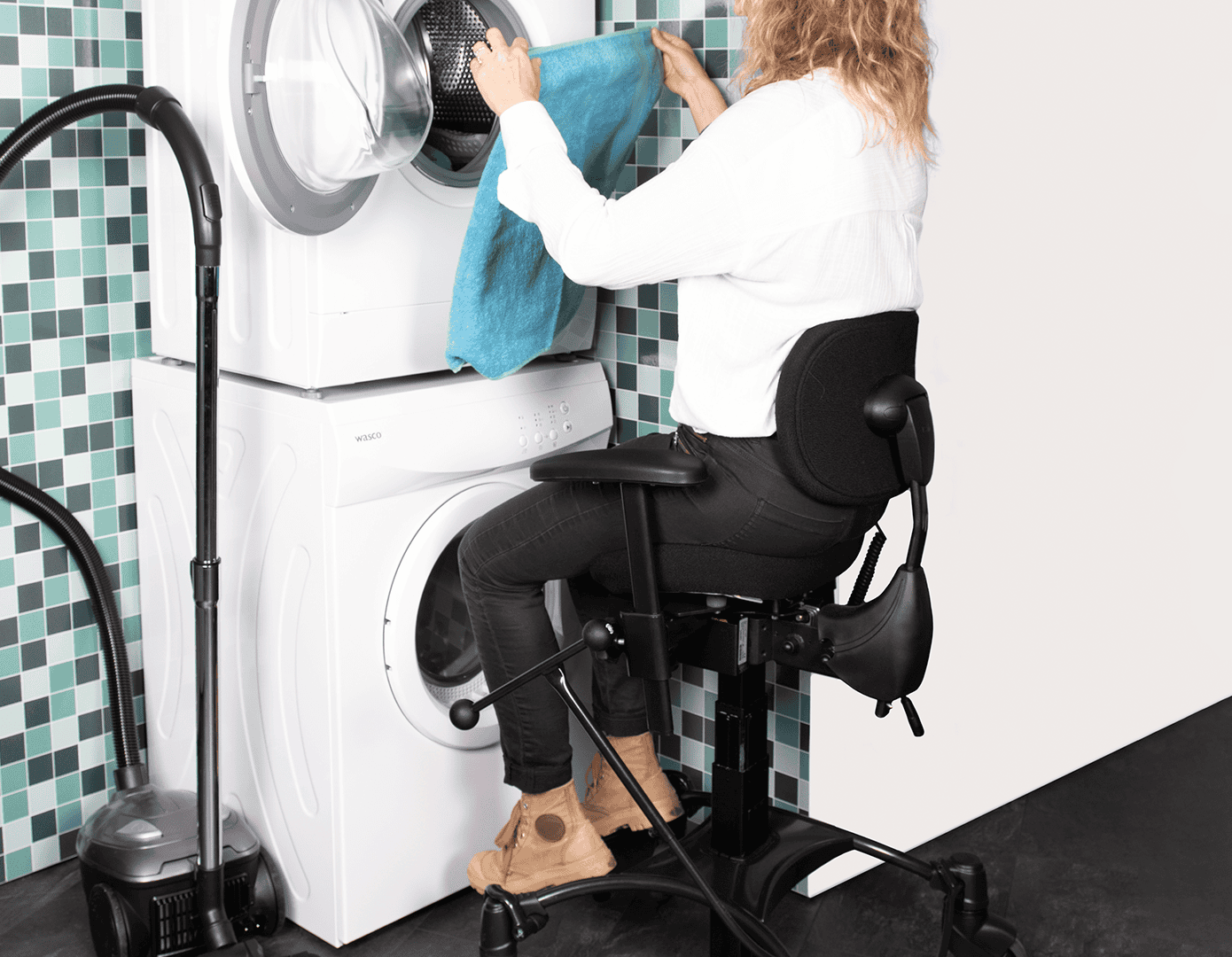
Implementing adaptive solutions like the VELA Independence Chair can be transformative. This medically approved mobility chair supports older adults by allowing safe movement within the home. With features designed to facilitate daily activities such as cooking, dressing, and transferring, it reduces caregiver strain while helping seniors maintain autonomy.
Supporting Aging in Place: A Practical Option
Adopting mobility solutions like the VELA Independence Chair can significantly aid seniors in staying independent in their own homes. These chairs designed for elderly mobility provide enhanced safety with features such as a central brake and electric height adjustability, simplifying everyday tasks and preventing falls. By easing transitions from sitting to standing and supporting activities like cooking and dressing, these chairs offer both dignity and comfort. Such aids can delay the necessity for a nursing home, delivering peace of mind and energy conservation. VELA chairs are a practical choice among various support options, ensuring life’s simple joys remain accessible and safe at home.
Recent Advances and Trends in Assistive Technology for Seniors
Technological innovation is transforming at-home support for seniors. The assistive device market is rapidly expanding due to demographic trends and rising global aging populations.12 There is a marked shift from standalone, function-specific assistive tools to AI- and IoT-integrated systems, offering adaptive, personalized support that can dynamically respond to users’ needs.3 Innovative devices now include AI-powered smart glasses for real-time navigation and reading, voice-activated home assistants for daily tasks, and accessible home technology that prioritizes user-friendly and ergonomic design.56
Building on this, advanced trends now include brain-computer interfaces for those with severe mobility loss, 3D-printed custom orthoses, and wearables providing continuous vitals tracking. Integration with telehealth platforms supports comprehensive and proactive care, while voice assistants and biometric security improve accessibility and safety.1110
User-centered and inclusive design practices have matured, resulting in more customizable, ergonomic products accommodating varying needs and abilities. Market leaders, in response to real-world user challenges, are increasingly developing interoperable systems with intuitive interfaces that address usability and compatibility for individuals with severe disabilities.5
Complex monitoring previously reliant on cameras is now often handled by non-intrusive sensor systems, preserving privacy while providing real-time alerts to caregivers. Non-invasive sensors are being embedded in fixtures such as light fittings, enabling holistic monitoring without compromising dignity.1110
Regulatory standards, notably those adapted by authorities such as the FDA, now promote quicker market access for innovative assistive technologies, balancing infection control with efficient service delivery.1
Major technology shows, including CES, have highlighted accelerated innovation and mainstream adoption of assistive tech, with increased visibility and commitment to accessibility by leading industry players.7
References
- Cognitive Market Research (2025): Assistive Technology Market Report
- NextMSC (2025): Elderly/Disabled Assistive Devices Market
- LetsEnvision (2025): The Future of Assistive Technology
- ResearchAndMarkets.com (2026): Global Disabled and Elderly Assistive Technologies Outlook
- Market.us (2025): Assistive Technology Statistics
- AskSAMIE (2025): Assistive Technology For Seniors
- CES (2025-2026): Accessibility Trends and Insights
- Geriatric Assistive Devices Market: Trends, Technologies & Outlook (2026)
- Disabled and Elderly Assistive Technology Market Report (2026)
- Long Term Care 2026 Trends and Outlook – Provider Magazine (2026)
- How Smart Tech is Revolutionizing Senior Community Living in 2026 (2026)