

Updated October 2025: We have updated the article with new findings on smart assistive technology, including AI-powered mobility aids, smart home integration, brain-computer interface prosthetics, and user-centered co-creation in senior care environments. The article now highlights recent trends in intelligent devices and inclusive design for more effective and independent aging in place.
Personal Senior Care Homes: A Preferred Choice For Individualized Elderly Care
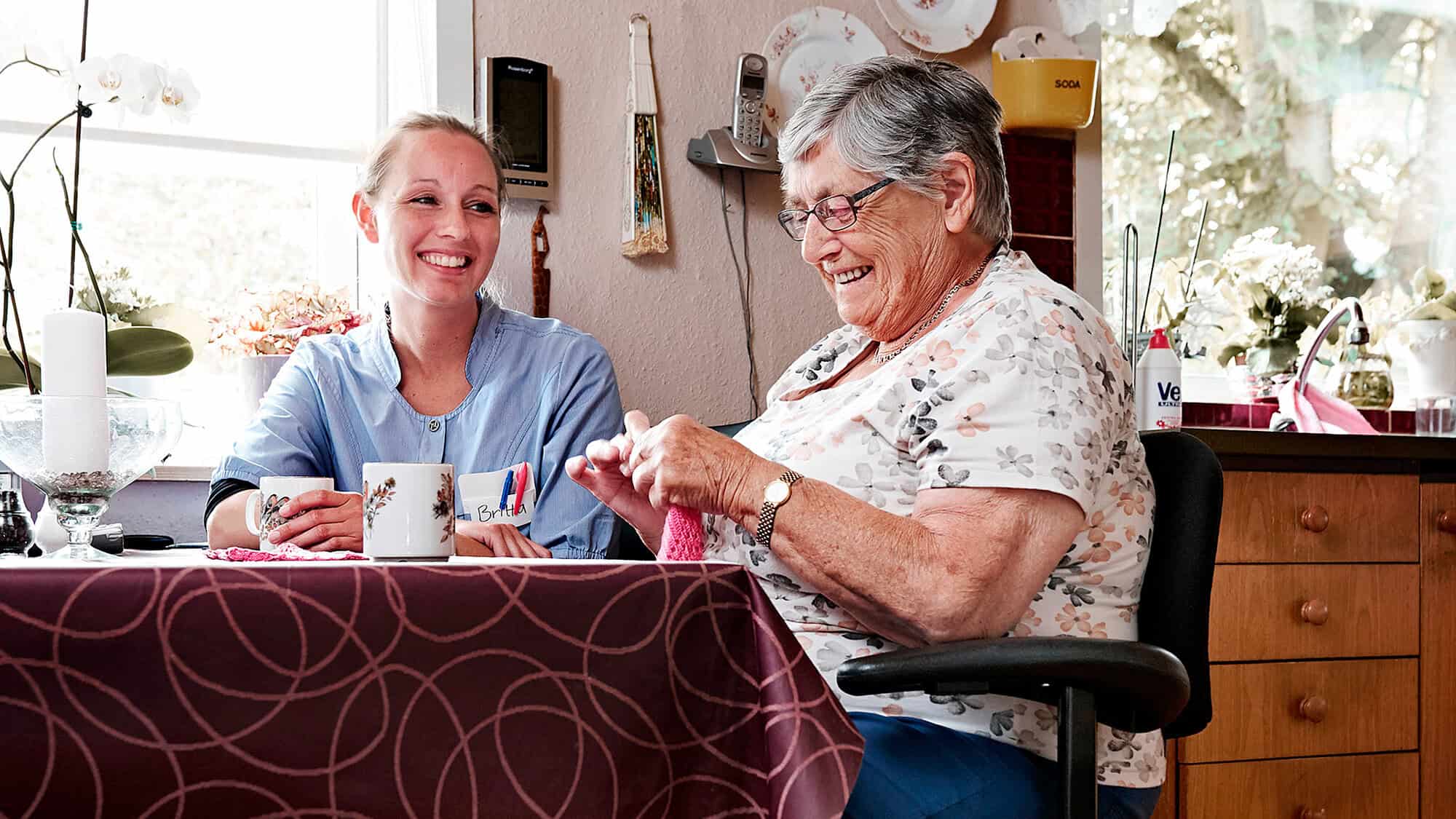
In recent years, there has been a noticeable shift towards personal senior care homes as families seek individualized care solutions for their elderly loved ones. These homes offer a more intimate and personalized approach compared to larger, traditional nursing homes, which often have a more clinical environment. As our population continues to age, the preference for such personalized and dignified care options increases. According to Cypress Home Care, a staggering 92% of seniors express a desire to age at home, emphasizing the need for such home-like care settings.
According to data from the National Center for Assisted Living (NCAL), 70% of assisted living residents are women, with half being 85 or older. Dr. Anita S. Kumar, a renowned geriatrician, highlights that personal senior care homes are crucial for maintaining dignity and familiar routines for seniors with moderate needs.
The Essence of Personal Senior Care Homes
Personal senior care homes, often located in residential areas, provide individualized attention in smaller settings. They focus on creating a home-like environment, which is particularly beneficial for seniors with moderate health conditions. These homes typically have a higher staff-to-resident ratio, allowing for greater flexibility and personalization of routines. The National Center for Assisted Living (NCAL) points out that such environments closely mirror traditional family living, improving the quality of life for residents through personalized routines and care.
Who Thrives in Personal Senior Care Homes?
These homes are best suited for older adults who require assistance with daily activities and may have conditions such as Alzheimer’s or dementia. The individualized attention and familiar environment are critical to the well-being of these residents. For instance, a case shared by Premier Home Care illustrates how a senior with dementia thrived in a personal care setting due to a specialized care plan and an environment tailored to her preferences.
Comparing Costs: Personal Care Homes vs. Other Living Arrangements
Cost considerations are significant for families evaluating senior care options. Personal senior care homes usually offer competitive pricing in comparison to other senior living arrangements. According to NCHStats, the home care market is projected to grow substantially, making these settings more affordable in many regions. While costs can vary based on location and level of required care, support from Medicaid and state programs can enhance financial accessibility. Anecdotally, families often feel that the personalized care and homely setting justify the expenses involved.
Empowering Independence with Mobility Solutions
The landscape of mobility solutions for seniors and people with disabilities is rapidly evolving, with significant advances improving independence and safety at home. Beyond traditional devices, innovative mobility aids now incorporate artificial intelligence (AI), smart sensors, and adaptive designs. AI-powered wheelchairs and robotic exoskeletons offer obstacle detection, adaptive navigation, and real-time health monitoring including heart rate and posture support, greatly enhancing day-to-day confidence and movement[6][2]. Smart walkers utilize laser cueing and vibration, particularly helpful for individuals with neurological conditions such as Parkinson’s disease[1]. These advances enable more intuitive and seamless interactions, supporting safe, independent living and proactive health management.
Smart home integration also plays a vital role in empowering seniors in their personal care environments. Automated lighting, AI-powered voice assistants, and advanced security systems help to prevent falls and simplify the management of the home environment, reducing both physical and cognitive effort[3][10].
Leading-edge ergonomic technology, including brain-computer interface (BCI) prosthetics and AI-driven wearable devices, is now available to further enhance independence and rehabilitation for residents with complex needs[4]. The VELA Independence Chair is a medically approved mobility solution for home use, offering enhanced safety and freedom of movement. Electric height adjustment, a stable wheelbase, and 360-degree swivel support daily tasks such as cooking, dressing, and safe transferring, all while easing the burden on informal caregivers.
Incorporating these technologies, personal senior care homes are increasingly designed using inclusive, user-centered principles, ensuring solutions are tailored to resident preferences and lifestyles[5]. Adoption of smart mobility aids and connected home systems is supported by updated clinical and policy guidance that aims to achieve universal access and sustainability for the rising global aging population[10]. It is now more feasible than ever for seniors to maintain safety, dignity, and control within a familiar setting, with the support of next-generation assistive devices and ergonomic solutions.
In conclusion, personal senior care homes represent an optimal choice for families seeking a dignified, individualized, and home-like care environment for their elderly loved ones. With an increasing aging population and a strong preference for aging at home, these homes effectively meet the growing demand by offering customized care experiences. It’s vital to consider these benefits when exploring senior care options to ensure the unique needs of elderly individuals are met within a trustworthy and compassionate setting.