

Updated September 2025: We have updated the article with new findings on AI and robotic technologies in mobility assistance, smart home adaptations for seniors, next-generation health monitoring wearables, expanded telehealth integration, personalized 3D-printed assistive devices, and current regulatory trends promoting technology-driven solutions in elderly care.
Commitment to Excellence in Elderly Care
Quality elderly care is of paramount importance as the global population ages rapidly. With individuals aged 75 and older forming a significant demographic segment, many face chronic health challenges and mobility issues. According to the National Institute on Aging, ensuring high standards in elderly care is not only a societal responsibility but also an ethical mandate to maintain the well-being of those who have contributed significantly to our communities.
Defining High-Quality Care for Seniors
High-quality elderly care is multidimensional, emphasizing comprehensive well-being, consistent care practices, and accountability. Senior living environments are guided by standards such as the Aged Care Quality Standards in Australia. These standards ensure care practices significantly impact residents’ health and satisfaction (Aged Care Quality and Safety Commission).
Recent advances in elderly care now also emphasize technology-driven practices for better health monitoring, safety, and autonomy. For instance, AI-powered mobility aids and smart home systems are being integrated to individualize and improve care delivery (Cyces AgeTech Blog).
For example, a Melbourne-based senior facility adopting these standards reported enhanced resident health outcomes. Personalized care plans resulted in residents feeling more secure and respected.
Evaluating Elderly Care: What to Look For
Selecting an elderly care facility requires prioritizing certain quality indicators:
- Health Outcomes: Aim for continuous improvement or maintenance of both physical and mental health. Integration of wearable health monitoring and remote sensors now supports real-time clinical decision making and reduces emergency hospitalizations (ButterflyMX).
- Staffing Levels: Ensure there are enough qualified staff to deliver consistent care. The use of physically assistive eldercare robots can help bridge gaps in staffing and deliver personalized support with daily activities (InsightAce Analytic).
- Safety Measures: Examine protocols to prevent falls and medication errors. AI-powered mobility devices and predictive smart home sensors have demonstrated measurable reductions in fall risk and medication mishaps (International Center of Wheelchair Technology).
- Resident Satisfaction: Resident feedback is crucial in assessing overall care experience, and recent policy trends further endorse inclusive technology adoption to enhance user acceptance and comfort (MyCare Concierge).
An example is a Pennsylvania facility known for its robust safety protocols, which successfully reduced fall incidents, contributing to a safe and high-quality living environment (Quality Life Services).
Fostering Dignity and Choice in Senior Living
Quality elderly care respects seniors’ dignity and choices, supporting a rights-based approach. Facilities honoring these principles significantly enhance residents’ living experiences by incorporating their preferences and needs (My Aged Care).
Recent trends in assistive device design, including use of 3D printing for customization and voice-controlled smart home features, further empower seniors, ensuring barrier-free digital access and tailored ergonomic support (iHealthcare Analyst).
For instance, a senior in a person-centered care facility in Sydney reported improved quality of life due to cultural practices being integrated into daily routines, fostering a sense of value and respect.
Enhancing Mobility and Safety with VELA Chairs
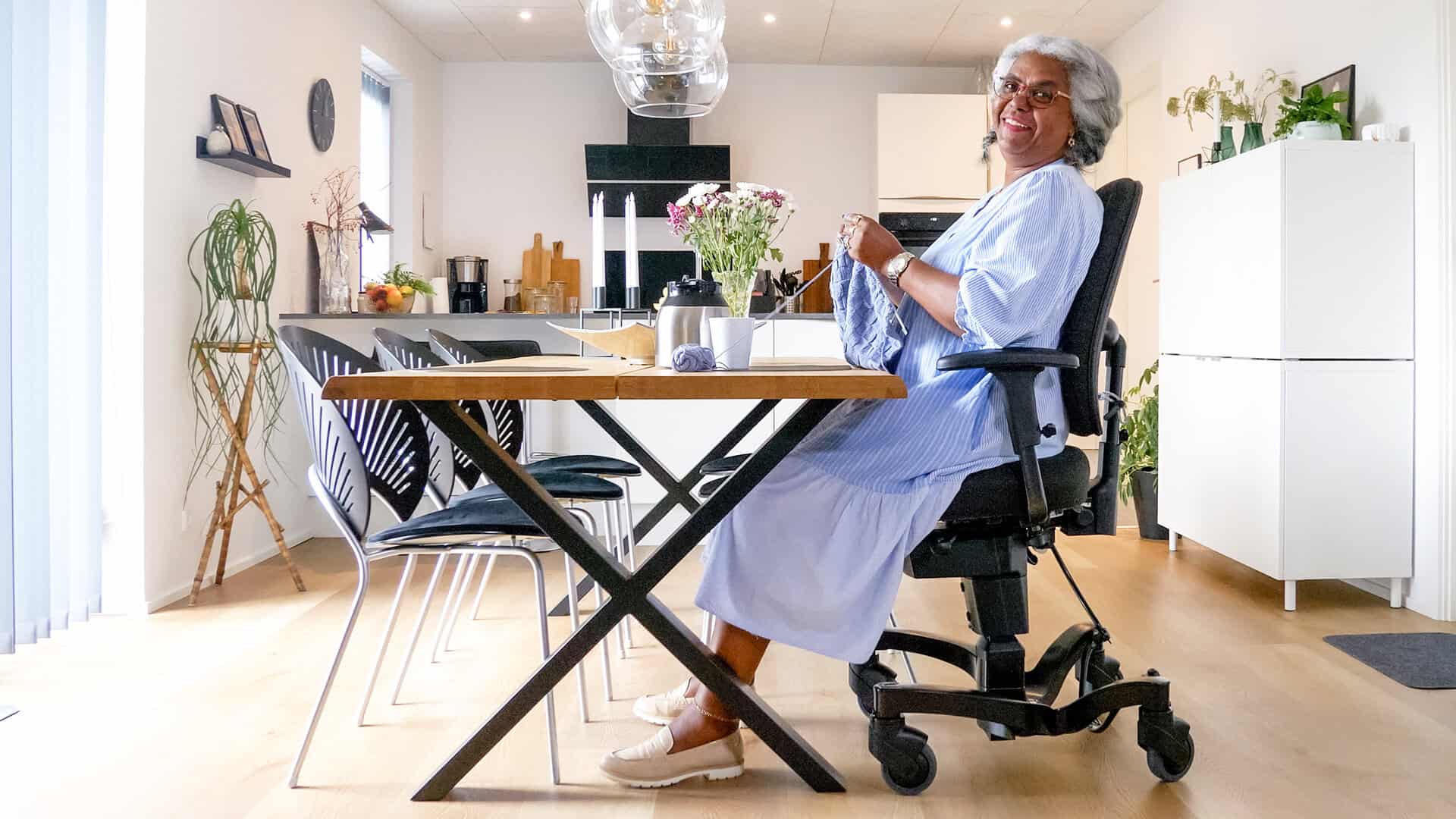
Many older adults increasingly prefer to remain in their own homes rather than move to nursing facilities. This desire brings unique challenges, from ensuring safety to maintaining mobility within the home environment. Solutions like the VELA Independence Chair can be pivotal in this context. Medically approved for home use, VELA chairs provide enhanced safety, freedom of movement while seated, and support for daily activities such as cooking, dressing, or transferring — all while reducing the burden on informal caregivers. They offer imperative assistance to individuals who seek to stay independent, delaying or possibly avoiding the need for more intensive care solutions.
AI and robotics continue to advance mobility options for older adults. Lightweight exoskeletons using artificial intelligence now improve walking stability by up to 45%, substantially reducing fall risks and facilitating greater independent living (International Center of Wheelchair Technology).
Commitment to Excellence in Elderly Care
Ultimately, quality elderly care underscores the importance of maintaining high standards across senior living facets. This includes safety, individualized care, and ensuring dignity and respect. By aligning with authoritative guidelines like those from the Centers for Medicare & Medicaid Services (CMS), facilities can provide comprehensive care options, ensuring respect, compassion, and attention for each senior.
Quality standards now also call for the adoption of interconnected care systems that combine telehealth, remote monitoring, and adaptive home environments. These integrated solutions support proactive interventions and promote aging in place without compromising clinical outcomes (ButterflyMX).
Excelling in elderly care is more than a goal; it’s a commitment to safeguarding dignity and life quality for seniors. As demographic changes continue, the priority is providing thriving environments where seniors feel safe and valued during their golden years.
Supporting Aging in Place: A Practical Option
Staying independent at home is a vital aspect of elderly living, and VELA Independence Chairs play a crucial role in promoting this ideal. By offering features such as a central brake for increased safety, electric height adjustability, and ease of movement while seated, these chairs address common concerns like fall risks and energy conservation. With such mobility solutions, seniors can manage daily tasks — from cooking to cleaning — with greater ease and confidence. The presence of a VELA Chair can offer a life with more dignity, freedom, and safety, compared to the limitations of navigating a home environment without such support. While not the only solution available, VELA stands as a proven option for those seeking to reduce dependency and remain comfortably within their homes. To explore more about how these solutions foster independence, see Fall Prevention Strategies.
Newly available AI-enabled wearables and sensor devices can help identify early signs of health issues or cognitive decline, allowing for intervention before emergencies occur. Remote support and telemedicine services are now integral to this approach, further increasing safety and independence for seniors aging at home (Cyces AgeTech Blog).