

Updated October 2025: We have updated the article with new findings on AI-powered assistive technologies, smart wearables, telehealth advancements, cognitive support devices, ergonomic mobility aids, digital literacy initiatives, and evolving senior living trends that prioritize independence, home-based care, and holistic wellness.
Crafting a personalized senior care plan
Navigating the complex world of senior care involves tailoring solutions to meet the diverse needs of aging loved ones. A personalized approach is crucial, considering the various health challenges seniors face. According to the CDC, about 60% of adults aged 65 and older manage at least two chronic conditions, highlighting the need for individualized care plans. This journey requires focusing on medical, emotional, and social dimensions to ensure a supportive environment for seniors. Today, advanced assistive technologies—such as AI-powered mobility aids, wearable health monitors, and remote care platforms—play an increasingly important role in enabling seniors to maintain their independence while addressing diverse health needs. AR Home Care Connected Nation Accio
Overview of senior care options: what you need to know
Selecting senior care requires understanding the available options to ensure alignment with a senior’s lifestyle and health needs. Several types of care exist, each serving unique purposes:
- Independent Living: Perfect for seniors who are relatively independent but enjoy community amenities.
- Assisted Living: Best for those who need help with daily activities like bathing, dressing, or medication management.
- Skilled Nursing and Memory Care: Crucial for seniors needing medical supervision or specialized dementia care.
- Hospice: Provides comfort-focused care for individuals nearing the end of life.
- In-Home Care: Supports seniors to stay at home with caregiver assistance, ranging from personal care to skilled nursing services. Modern in-home care can now include telemedicine consultations, use of wearable health monitoring devices, and smart home solutions to foster safety and ongoing independence. My Care Concierge Future Market Insights
The National Institute on Aging offers detailed guidelines to match care types with specific senior conditions, enhancing a tailored approach. Current trends emphasize the integration of AI, connectivity, and adaptive devices to create smart environments that continually adjust to the evolving needs of seniors. PubMed Central UC Davis Health News
How to assess the best senior care for your loved one
Choosing the right senior care involves a comprehensive evaluation of health status, daily needs, cognitive abilities, and social preferences. Open discussions with family and healthcare professionals are essential. For instance, evaluating a senior’s capability to manage medication or their need for regular companionship can guide decisions toward home care or residential facilities. Peer-reviewed studies, such as that by Shaker et al. (2025), emphasize the importance of considering both clinical and emotional needs alongside family expectations.
Today, assessments increasingly consider how advanced technologies—like AI-driven exoskeletons for mobility, smart wheelchairs, sensor-based fall prevention, and interactive AI assistants—can extend seniors’ independence safely and comfortably. Innovations include cognitive support devices that help with memory and daily task scheduling, AI companions for those living with dementia, and ergonomic improvements in mobility aids such as breathable, adjustable supports and hinged knee braces tailored for better usability. Telehealth, remote monitoring, and digital health platforms have also become vital in providing regular check-ins and mental health support without frequent hospital visits. These tools allow care plans to be highly personalized, adapting in real-time to day-to-day changes in ability or health. User and expert feedback over the last year show growing satisfaction with inclusive, connected solutions that bridge the gap between independent living and comprehensive support. SeniorSite Amada Senior Care Let’s Envision
Cost, coverage, and local provider choices
Understanding the financial aspects of different senior care options is crucial. Costs vary widely by care type:
- In-Home Care: Typically ranges from $25 to $35 per hour for non-medical assistance, with potential additional costs for telehealth monitoring systems and smart devices that enhance care efficiency and reduce risks. Increasingly, regulations and guidelines support funding both technology upgrades and digital literacy training to bridge access gaps.
- Assisted Living: National median costs range from $4,500 to $5,500 per month, including options that now offer integrated technology for health tracking and communication with care teams. There is also an emerging focus on mid-market senior housing to accommodate the financial realities of newer generations of seniors, offering technology-enabled amenities at accessible price points. McKnight’s Senior Living
- Skilled Nursing Care: Private accommodations can reach up to $10,000 per month. Technology-centered facilities may provide smart monitoring and real-time health analytics as part of their package.
Medicare.gov provides a detailed overview of coverage specifics. State regulations, like those from the California Department of Social Services, can influence costs and coverage, aiding better financial planning. Recent government policies promote the adoption of innovative technologies in elder care settings, supporting both infrastructure upgrades and flexible reimbursement for digital health tools. Future Market Insights LifeLoop Blog
Don’t overlook these senior safety & comfort features
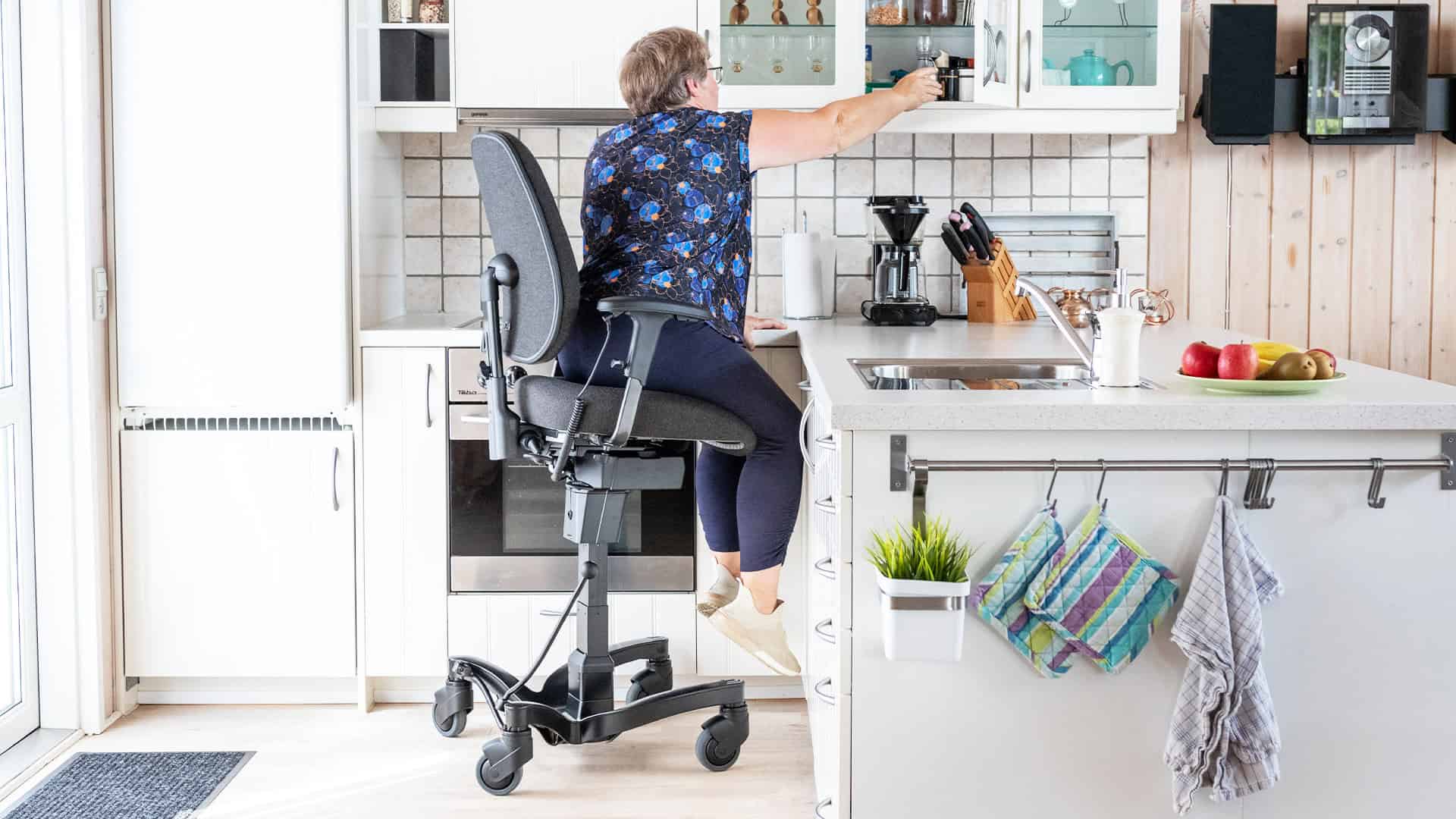
Safety and comfort are foundation pillars of senior care. Essential considerations include fall prevention strategies, home accessibility modifications, and supportive equipment. Mobility aids such as the VELA Independence Chair can significantly enhance a senior’s independence. Modern devices, like AI-enhanced exoskeletons and smart wheelchairs, now offer adaptive walking support, improved battery life, environmental awareness, and user-friendly controls, making them practical for both rehabilitation and daily living. Amada Senior Care Ergonomic improvements now featured in assistive devices include breathable materials, scalable adjustments, and more intuitive controls aligned with user feedback from recent pilot studies. For those preferring to stay out of nursing homes, finding means to improve safety and accessibility at home is critical. The VELA Chair is a medically approved mobility chair designed for use at home. It provides enhanced safety, freedom of movement while seated, and support for daily activities like cooking, dressing, or transferring—all while reducing the load on informal caregivers. These tools, suitable for both home and assisted living settings, reduce fall risks and encourage autonomy, thereby supporting caregivers in managing physical demands. Assistive technology now often works in tandem with AI assistants and wearable monitoring to provide real-time information, alerts, and personalized support. Let’s Envision Accio
Supporting aging in place: a practical option
Maintaining independence at home is a viable option with the right support systems. Solutions like the VELA Independence Chair can help individuals stay self-reliant longer, offering amenities such as a central brake for safety, electric height adjustability, and ease of movement while seated. Imagine a life where seniors can effortlessly engage in daily activities like cooking or cleaning with confidence in their safety, compared to struggling without such support. The chair enhances dignity and freedom while conserving energy, delaying the need for nursing home care. It represents a thoughtful approach to living independently, underscoring how supportive seating solutions for seniors promote a robust quality of life. While VELA is not the only answer, it stands as a proven and practical choice among alternatives like mobility chairs for seniors, aimed to improve safety and self-reliance in daily functions. As smart home solutions, telemedicine services, and integrated AI assistants become more widespread in 2025 and beyond, seniors can age in place with greater confidence—supported by holistic wellness programs and modular care designs that adapt to their changing needs. Enhanced digital literacy initiatives and gradual, user-centered technology adoption help ensure that seniors and their caregivers benefit from these resources. AR Home Care My Care Concierge Connected Nation LifeLoop Blog