

Updated September 2025: We have updated the article to reflect significant new developments in AI-integrated assistive technologies, smart home and wearable safety systems, advances in brain health and cognitive support tools, telehealth expansion, user-centered device design, and the importance of inclusive approaches for seniors aging in place.
Senior At-Home Care Near Me: Meeting the Growing Need for Localized Solutions
As the senior population rapidly increases, the demand for in-home care services has never been more pressing. According to the National Institute on Aging (NIA), approximately 70% of older adults will require some form of long-term care in their lifetime. This statistic highlights the urgent necessity for accessible, localized in-home care options to support seniors who wish to age in place.
Understanding Senior At-Home Care: Definitions & Services
Senior at-home care encompasses both medical and non-medical assistance. Medical home care involves healthcare professionals who manage medication, provide therapies, and monitor health. Non-medical care focuses on personal assistance, companionship, and helps with daily activities such as bathing and meal preparation. These services play a critical role for seniors dealing with mobility issues or cognitive impairments. For instance, Mary, a senior living with Alzheimer’s, benefits immensely from consistent companionship and personal care, maintaining a sense of comfort and familiarity at home that would be difficult in an institutional setting.
How to Choose the Right Home Care Provider Near You
Selecting the ideal home care provider requires thorough research and evaluation. Begin by checking the agency’s credentials and references, as suggested by the NIA. It is crucial to ensure caregivers are qualified, having passed comprehensive background checks. In addition, inquire about personalized care plans and the agency’s communication responsiveness. A family in Ohio successfully found a caregiver by focusing on these aspects, choosing a provider whose staff demonstrated sincere concern and adaptability to their father’s evolving needs.
Cost of Senior At-Home Care: What to Expect
Understanding the financial implications of senior at-home care can be daunting, but having a clear picture of expected costs can help manage these challenges. As reported by A Place for Mom, the national median cost for non-medical in-home care is projected at $33 per hour, with state-level costs ranging from $24 to $43 per hour. Financial assistance options such as Medicare, Medicaid, and VA benefits can alleviate some of these costs. For example, Medicaid waivers have enabled seniors like Harold in Illinois to afford quality home care services within his financial means.
Technology and Tools Enhancing Elderly Home Care
Technological advancements have significantly transformed home care, making it more efficient and accessible. The latest breakthroughs combine AI-powered assistants capable of intuitive support—such as intelligent voice-activated systems for medication management, cognitive prompts, and real-time information access—with integrated smart home and wearable devices. These innovations enhance safety through features like advanced fall detection, emergency response, adaptive lighting, and ongoing health monitoring, all designed to reduce accidents and improve daily independence for seniors aging in place.[1][2][4]
Additionally, new categories of brain health technology, including AI-driven cognitive behavioral therapy apps and wearables for memory support, are now regularly incorporated into care plans. These tools are shown to help reduce cognitive decline and support emotional well-being in seniors.[5] Telehealth services and remote monitoring continue to expand, offering broader healthcare access, especially in remote and rural communities, and are now considered a standard part of holistic senior care.[3][7]
Adaptive Equipment and Mobility Solutions
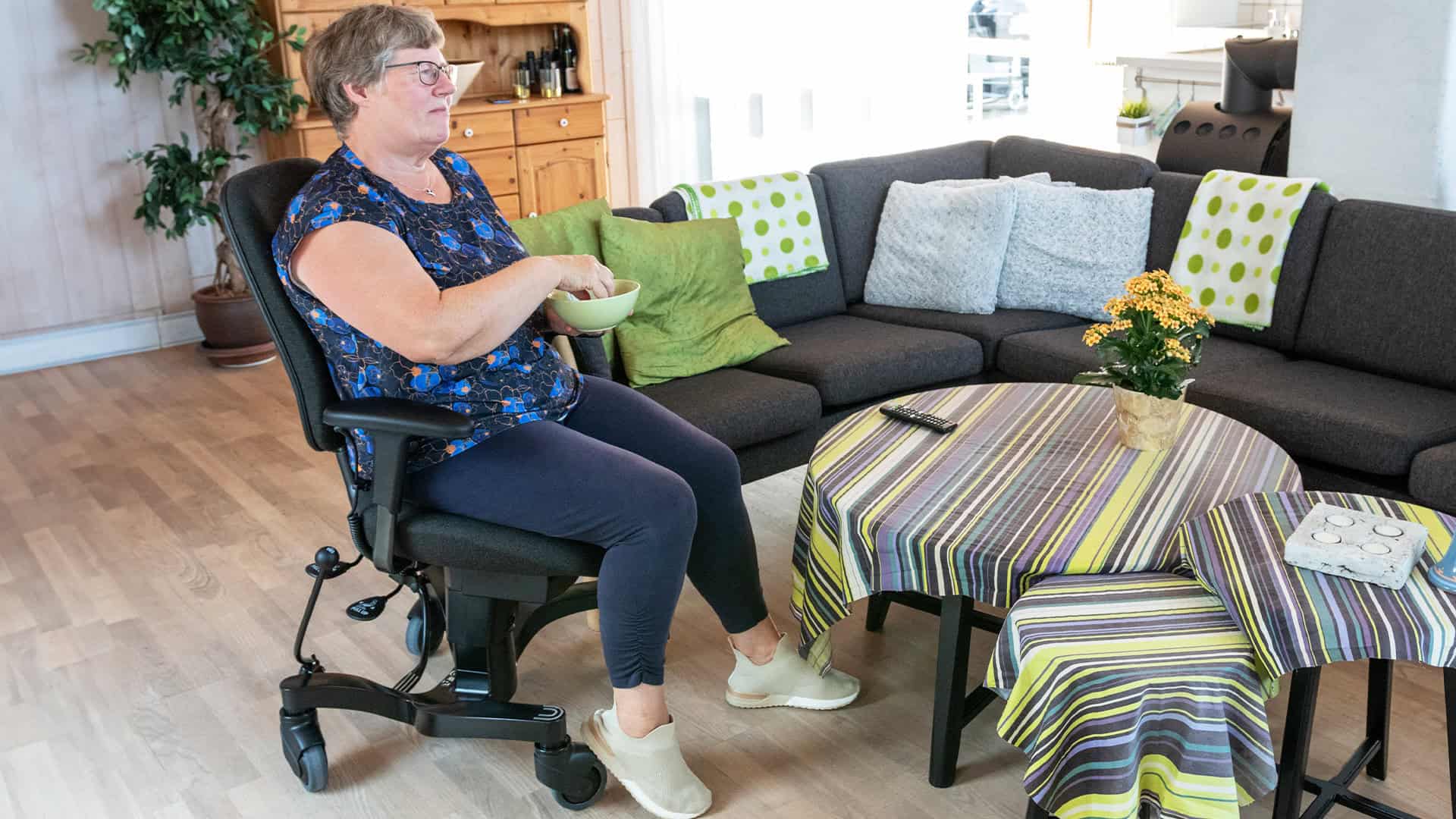
Adaptive equipment, such as specialized chairs, plays a vital role in supporting seniors’ independence. VELA chairs, for instance, are designed to assist with fall prevention and mobility. These chairs offer lockable wheels and height adjustments, enhancing safety and enabling seniors to navigate their homes confidently. This innovative design facilitates safe transfers and access to different areas of the home, promoting independent living and reducing reliance on caregivers. According to McKnight’s Home Care and recent research, integrated smart mobility aids, wearables, and home systems have made aging in place more feasible and safer, with new regulatory guidelines now stressing user-centered design and digital literacy programs to maximize usability and acceptance.[1][3][7]
Inclusive innovation is also a growing priority in assistive technology. Co-creation, where seniors actively participate in device design and development, has emerged as a best practice—resulting in solutions that are better tailored to individual needs and more readily adopted for long-term use.[3][6] New rehabilitation approaches, including mixed reality and gamification, now play a key role in fostering independent living skills, supporting social inclusion, and facilitating smoother transitions in care.[6]
The importance of personalized, location-specific care for seniors cannot be overstated. As we continue to recognize the growing demand for such services, it’s crucial to prioritize finding the right care solution that aligns with the unique needs of each senior. Leveraging modern technology and ensuring comprehensive service evaluations are key to making informed decisions at the heart of effective at-home care solutions.
For more detailed elderly care recommendations, the National Institute on Aging remains a valuable source of information. By understanding the array of services available and taking into account the financial and technological resources at hand, families can navigate the complex landscape of senior at-home care with greater confidence and peace of mind.
Supporting Aging in Place: A Practical Option
How can seniors maintain their independence at home longer and delay the need for nursing home care? Mobility solutions like VELA chairs provide a pivotal answer. With features such as a central brake for enhanced safety and electric height adjustability, these chairs support a more secure and energy-efficient lifestyle. The integration of AI-powered assistants, smart home technology, and telehealth services further supports seniors in engaging safely in daily routines—such as cooking, cleaning, and participating in cognitive activities—without constant supervision.[1][2][3][4][5][6][7] Supporting Elderly Independence allows them to retain their dignity and freedom, significantly reducing caregiver burdens. While VELA chairs are not the sole solution, they offer a proven, practical method to enrich life at home, ensuring more seniors continue to enjoy the comfort of familiar surroundings while safeguarding their well-being.
References:
[1] Connected Nation. “How technology is enhancing the well-being of older adults.” 2025. [connectednation.org]
[2] Silverts – Giving Care. “Investing in Assistive Technology for Seniors.” 2025. [silverts.com]
[3] MedlinePlus (PMC). “The Role of Assistive Technology in Enabling Older Adults to …” 2024 Jul 30. [pmc.ncbi.nlm.nih.gov]
[4] Envision/Let’s Envision community. “What’s Next for 2025: The Future of Assistive Technology & AI Assistants.” 2025. [letsenvision.com]
[5] The Good Life Silicon Valley. “2025 AgeTech Showcases the Latest Technology for Seniors.” 2025. [thegoodlifesv.com]
[6] Assistive Technology Industry Association (ATIA). “Assistive Technology Outcomes and Benefits – Volume 19.” Spring 2025. [atia.org]
[7] World Health Organization (WHO). “Assistive technology – Fact Sheet.” Updated 2025. [who.int]