

Updated September 2025: We have updated the article with new findings on advanced assistive technology integration, ergonomic and inclusive design improvements, recent clinical guidelines supporting technology-assisted home care, updated regulatory and funding information for assistive devices, and current trends regarding caregiver workforce shortages and the supportive role of technology.
Navigating the Role of a Senior Care Assistant in Modern Elderly Care
In today’s society, the role of a senior care assistant is more crucial than ever, particularly with the swelling numbers of elderly individuals worldwide. A senior care assistant provides invaluable support to seniors, assisting them in maintaining independence and dignity as they age. This is especially pertinent as, according to Bureau of Labor Statistics, the number of those aged 65 and older is projected to increase substantially in the coming years, highlighting the urgent need for skilled senior care professionals.
The Pivotal Role of Senior Care Assistants in Modern Elderly Care
Senior care assistants serve a multifaceted function in supporting the elderly with a spectrum of needs. Their responsibilities span from daily personal care to household management. A typical day may involve overseeing medication, assisting with mobility, and providing grooming help, ensuring that seniors’ personal hygiene is maintained with dignity. These daily tasks are vital in bolstering both the physical and emotional health of the elderly. For a more detailed look into their daily lives, 1Plus1 Cares offers insightful real-life examples that illustrate the significant impact these assistants have.
Real-Life Scenario:
Consider Mary, a senior care assistant who begins her day by preparing breakfast for Mr. Thompson, an 82-year-old with limited mobility. She ensures his medications are taken on time and assists him with a gentle exercise routine tailored to his abilities. Throughout the day, she engages him in conversations about his interests, easing his sense of isolation and promoting mental wellness.
Skills and Qualifications Essential for Senior Care Assistants
Key qualities required for this role include empathy, patience, and a profound sense of duty to ensure comfort and dignity for the elderly. Practical skills, such as effective communication and basic healthcare knowledge, are equally important. Most positions demand formal training, with clear pathways for career advancement—from entry-level roles to specialized care positions. According to ZipRecruiter, many senior care assistants start with general healthcare training, progressing over time to supervisory roles or specific fields, such as dementia care.
Expertise in Practice:
A senior care assistant like Sarah might undertake specialized training in dementia care, allowing her to manage challenging behaviors and provide tailored cognitive support. This expertise not only improves care quality but also enhances job satisfaction and career progression.
Enhancing Elderly Quality of Life Through Care and Companionship
Beyond physical care, senior care assistants significantly contribute to the emotional and social health of their clients. Activities like engaging in board games or facilitating small social gatherings can mitigate feelings of loneliness, fostering a sense of community and belonging among elderly individuals. Senior Health PA details various techniques that assistants employ to ensure comprehensive companionship, which is just as crucial as physical care for enhancing senior well-being.
Balanced Perspective:
While senior care assistants provide tremendous benefits, potential challenges include managing multiple clients or dealing with emotionally demanding situations. Recognizing these realities is crucial in maintaining balanced and effective care. At the same time, recent trends show a persistent shortage in the home care workforce, with high turnover rates affecting many organizations. As the need for senior and home care services grows, technology—including AI and robotic assistance—is increasingly viewed as a critical supplement but not a full substitute for compassionate human care FirstLight Home Care, McKnights Home Care, JM Search, NCHStats.
Transition to VELA: Supporting Independence in Home Environments
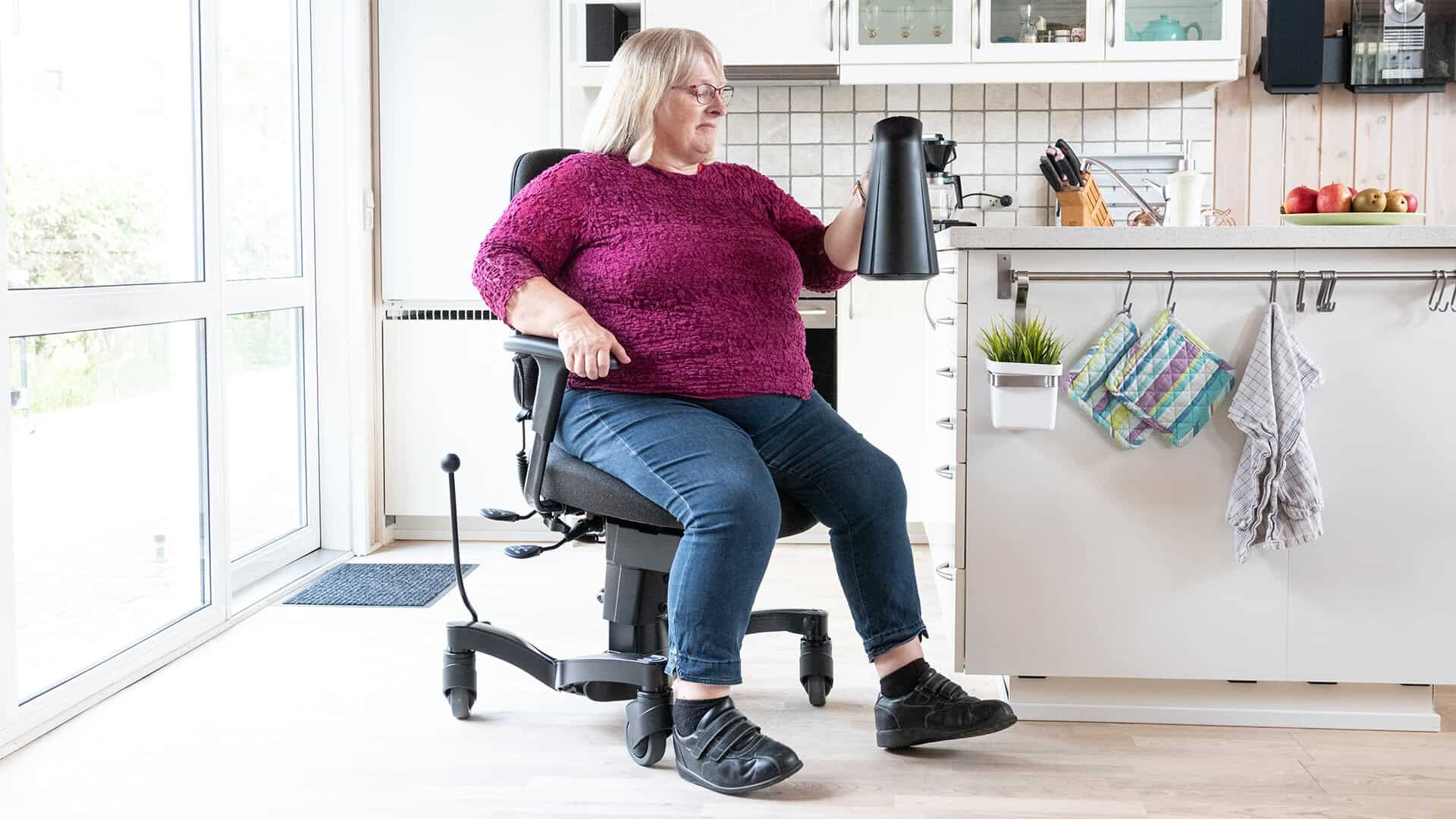
While nursing homes offer structured support for the elderly, the preference for staying in one’s own home is increasingly recognized as beneficial for psychological comfort and independence. Innovations like the VELA Independence Chair have emerged as a key solution in this context. VELA is a medically approved mobility chair designed for home use, providing enhanced safety, freedom of movement while seated, and support for daily activities such as cooking, dressing, or transferring. This aids not only the individuals using the chairs but also lessens the physical demands on informal caregivers by optimizing everyday functionality and safety.
Understanding Your Options: A Holistic Approach to Elderly Care
When considering care options for elderly family members, it’s essential to weigh the benefits of in-home care against facility-based alternatives. In-home care, enabled by professional assistants and supportive devices, allows seniors to maintain familiarity and independence. However, facility care might be more suitable for those requiring extensive medical support or social interaction. An informed decision involves assessing the specific needs and preferences of the elderly individual, guided by resources such as recommendations from Montgomery Place.
The Impact and Future of Senior Care Assistants
As demographic trends predict an aging populace, the demand for adept senior care assistants continues to rise. Their role is indispensable in fostering an environment where seniors can thrive emotionally, physically, and socially. Recent advances in assistive technology—such as smart wheelchairs with autonomous and app-controlled navigation, sensor-enabled pressure monitoring for wheelchairs, and wearable supportive devices—are now being rapidly integrated into care PubMed Central (PMC), Ability Magazine, Market.us Media. Ergonomic and inclusive product design is now a key focus, with adaptive and customizable solutions reducing secondary injuries and improving daily comfort for users. These technological enhancements complement professional care, increase independence, and respond to the continually evolving needs in elderly support.
Policy updates from health organizations, including the World Health Organization and national bodies, emphasize the need for affordable and equitable access to assistive technologies. Funding mechanisms—such as insurance coverage and charitable grants—are increasingly directed toward technology upgrades and expanded access for people with disabilities of all ages WHO, Provider Magazine. By combining professional care and these advances in technology—such as VELA chairs—we can significantly enhance the quality of life for our elders, affirming the innate human dignity they deserve. Senior care assistants not only provide essential support but also offer peace of mind to families, making them an integral part of a compassionate and effective elderly care system.
Supporting Aging in Place: A Practical Option
Supporting aging in place offers seniors the opportunity to remain in the comfort of their homes while maintaining independence. Mobility solutions, like the VELA Independence Chair, significantly extend the time seniors can live independently. These chairs feature safety mechanisms such as a central brake to prevent falls and electric height adjustability to facilitate easy movement to and from the chair. Such enhancements help conserve energy and increase safety, potentially delaying the need for a nursing home. By facilitating daily activities—from cooking to relaxing—VELA chairs play a vital role in boosting the dignity, freedom, and security of elderly individuals while easing the physical load on caregivers. While VELA represents a practical and proven solution, it remains one of many tools caregivers can utilize to enhance the home care experience. Integration of advanced assistive technologies—such as AI-driven rehabilitation and sensor-enabled ergonomic features—into in-home care plans is now widely recommended by clinical guidelines to support aging in place and meet the changing needs of older adults PubMed Central (PMC), Ability Magazine.