

Updated January 2026: We have updated the article with the latest innovations in senior care, including AI-driven predictive health monitoring, wearable devices for real-time vital tracking, robotic companions to reduce social isolation, hyper-personalized care plans using smart home data, and expanded telehealth integration. Baltimore-specific trends in remote care models and workforce innovations are also included.
Tailored Solutions for Senior Care in Baltimore
Baltimore’s senior population presents a unique set of demographics and care needs, making it imperative to understand the city’s senior care landscape. Catering to Baltimore’s seniors requires a nuanced approach that acknowledges their diversity and specific regional challenges.
Understanding Baltimore’s Senior Population Demographics
Baltimore’s senior demographic, comprising 14.93% of the city’s population, presents distinct characteristics. Although slightly below the national average of 16.84%, Neilsberg Demographic Research highlights this statistic belies a complex socioeconomic structure deeply affecting care accessibility. Baltimore City is home to a high concentration of low-income minority seniors, accounting for nearly 35% of Maryland’s economically disadvantaged elderly population Maryland Department of Aging.
The city is expected to experience slower growth within its senior demographic compared to neighboring counties. This presents both opportunities and challenges. As counties like Anne Arundel and Howard County prepare for increases of over 50% in their senior populations by 2040, Baltimore’s growth is relatively modest at 23.6% Maryland Department of Aging. Consequently, targeted resources are vital, especially for vulnerable cohorts experiencing socioeconomic strain.
Home Care Options for Baltimore Seniors
In Baltimore, home care services have become indispensable as initiatives focus on facilitating “aging in place.” Home health care, including medical and personal care assistance, offers seniors independence while meeting health needs in a familiar environment. Programs from the Baltimore County Department of Aging emphasize comprehensive community-based services to ensure seniors maintain a high quality of life.
Home care for Baltimore seniors now leverages cutting-edge technology that shifts care from reactive to proactive. Since 2025, AI-driven predictive health monitoring systems can analyze data from wearable devices and automated sensors to provide early alerts for health issues such as mobility decline or potential infections[5][2]. Sophisticated wearable health devices, now widely adopted, offer real-time monitoring for vital signs, activity, sleep patterns, and even environmental hazards. These systems are often connected with telehealth platforms, enabling virtual check-ins and collaborative care among professionals and family caregivers[3]. Robotics and companion devices provide both practical assistance with daily tasks and crucial emotional support for those at risk of isolation[2].
Smart home integration, now mainstream in senior care, includes voice-activated lighting and thermostats, automated access control, and intelligent home monitoring—all based on data-driven, hyper-personalized care plans. This holistic approach maximizes safety and independence, especially for seniors with mobility or cognitive limitations[2][3].
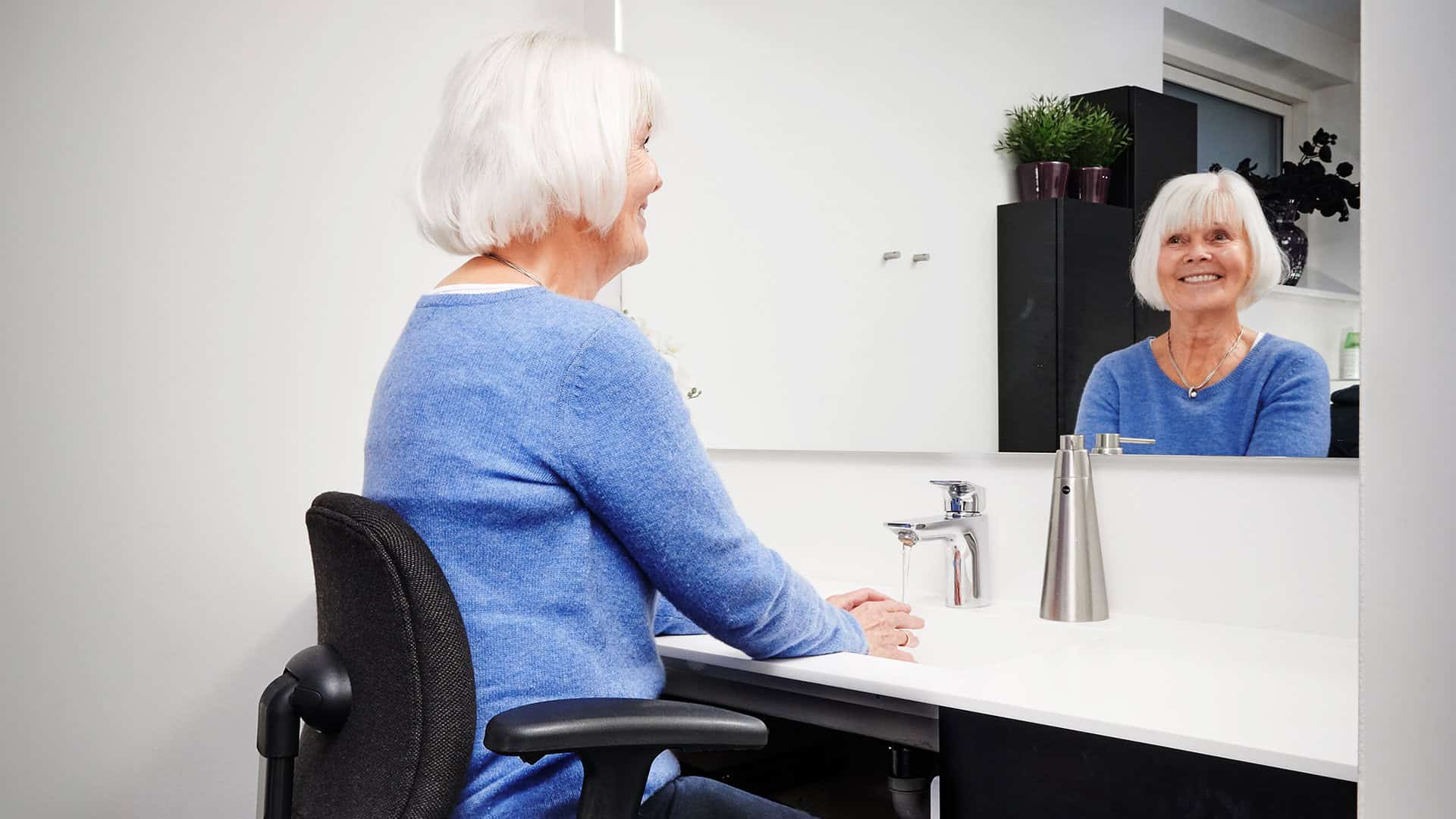
For some, traditional nursing home settings may not address the desire to retain personal freedom and comfort in familiar surroundings. Exploring solutions that enable older adults to remain independent in their own homes is increasingly important. VELA Independence Chairs offer one such solution. These medically approved mobility chairs are designed for home use, enhancing safety and allowing freedom of movement while seated. The latest ergonomic designs are increasingly adjustable and user-personalized, built on biomechanics and user feedback, aligning with industry trends toward hyper-personalization and holistic wellness[5].
These solutions provide crucial support for daily activities like cooking, dressing, or transferring and help reduce the burden on informal caregivers.
According to Enhancing Mobility for Seniors, their products’ electric height adjustment and stability features are crucial for seniors seeking both mobility and safety in their daily activities.
Consider the experience of Elizabeth Harper, a Baltimore resident: after engaging with a local home care provider, she found a tailored support system that enabled her to live comfortably at home, complemented by technological mobility solutions like VELA chairs and remote monitoring devices for added peace of mind.
Navigating Medicare and Medicaid for Baltimore Seniors
Navigating healthcare coverage can be daunting, but understanding Medicare and Medicaid options in Baltimore is crucial. According to the Baltimore City Health Department, seniors can access these programs to alleviate financial burdens associated with medical care. Crucially, Medicaid waiver options offer financial assistance for low-income seniors, ensuring they receive necessary care without overwhelming financial strain.
Telemedicine and virtual care have expanded further in Baltimore, allowing seniors to connect with healthcare professionals without traveling. New AI-powered platforms, now addressing region-specific needs, detect early signs of mobility decline and support care plan customization, while regulatory developments ensure data privacy and equitable access[5][3]. Expanded telehealth programs, integrated with remote monitoring, help address local workforce shortages while maintaining high-quality care and reducing travel and stress for older adults and their caregivers.
Take, for example, the journey of Mr. Robert Williams, who successfully navigated the Medicaid application process through the Baltimore City Health Department. With assistance, Mr. Williams secured vital subsidized care services, ultimately enhancing his quality of life without depleting personal resources.
Community Resources for Low-Income Baltimore Seniors
Baltimore is rich with community resources aimed at economically disadvantaged seniors. From community centers to transportation services, these resources play an integral role. Facilities such as the Oliver Senior Center provide education, health screenings, and recreational activities, fostering a supportive environment for seniors like Mrs. Clare Johnson. According to the Baltimore City Budget and Management Research, these centers significantly impact the quality of life for local residents by promoting social connectivity and well-being.
Modern community support now includes voice assistants, connected sensors, and ergonomic smart home adaptations. Voice-activated lighting, automated safety checks, and AI-enabled wellness reminders collectively bolster independence for vulnerable seniors. These interconnected technologies, underpinned by advances in AI ethics, also ease caregiver workload and reinforce Baltimore’s efforts to bridge care gaps[3][2].
Access to these vital resources ensures that no senior is left without support. Baltimore’s seniors, particularly those facing economic hardships, benefit from community efforts to bridge gaps in senior care.
Supporting Aging in Place: A Practical Option
Exploring alternatives like VELA chairs offers practical benefits, promoting seniors’ independence at home and possibly delaying the need for nursing home admission. The chairs provide a central brake for safety, electric height adjustability, and ease of seated movement—essential for tasks like cooking and cleaning. Imagine a day cooking comfortably in the kitchen or enjoying the living room’s peace, contrasted with challenges faced without mobility aids. While VELA isn’t the sole solution, it’s a proven one that supports dignity, freedom, and energy conservation in everyday life.
Rehabilitation and wellness for seniors increasingly feature hyper-personalized care plans, powered by AI that aggregates health and activity data from wearables and smart home sensors. Predictive analytics help clinicians identify early signs of physical, cognitive, or emotional decline, allowing for timely interventions. Robotic companions are now deployed to not only assist with daily tasks but also to mitigate loneliness and support mental health[2][5]. Regulatory attention to AI ethics and user privacy is an integral part of ongoing strategy in Baltimore and beyond, guiding technology adoption in a manner that keeps seniors’ well-being at the forefront.
- AANP: Top Five Health Care Trends for 2026, American Association of Nurse Practitioners, January 2026
- K4Connect: The Future of Senior Living at CES 2026, January 2026
- LeadingAge: 3 Trends in Senior Care Technology, LeadingAge, January 2026
- AgeTech Trends 2025: AI, Robotics & the Future of Aging, Cyces, Aug 2025
- The Future of Senior Living: Trends to Watch in 2025, Heisinger Bluffs, Aug 2025
- Technology in Senior Care: How Innovation Is Transforming Care, Caring Data, July 2025
- Senior Living Trends | 2025 Senior Health Trends, Align Senior Care, Aug 2025
- U.S. Assistive Technologies for Older Adults Market Analysis Report 2025, ResearchAndMarkets.com, Sept 2025
- Caregiving in the US 2025 – More tech, but not as much as caregivers could use, AgeInPlaceTech, July 2025
- How the 2025 Senior Tech Boom is Making Aging in Place Easier, Placitacare, Aug 2025