

Updated February 2026: We have updated the article with new findings on AI-powered assistive technologies, such as smart wheelchairs, robotic exoskeletons, predictive health analytics wearables, VR/AR therapy, and edge AI-enabled home safety features. The article now reflects mainstream advances in telemedicine, proactive monitoring, and inclusive, adaptive mobility designs that promote independence, aging in place, and reduced caregiver burden in senior care environments.
Updated October 2025: We have updated the article to include new information on AI-powered assistive devices, the mainstream adoption of telemedicine, advances in smart home and building automation for seniors, personalized and adaptive rehabilitation technologies, and evolving policy and regulatory considerations in senior care settings. References to the latest expert insights and technology trends have also been added.
Senior Care Options in Brunswick County: A Growing Need for Quality Care
Brunswick County, North Carolina, has experienced a remarkable growth in its senior population, with an increase of 104% over the past decade. This demographic shift highlights the urgent need for quality senior care facilities. Currently, 34.4% of Brunswick’s residents are aged 65 or older, according to the U.S. Census Bureau. This trend positions Brunswick as an attractive destination for retirees seeking a supportive community.
Understanding Senior Care Options in Brunswick County, NC
In Brunswick County, the diverse needs of aging residents are met with a range of senior care services. These include assisted living, memory care, and in-home support, offering flexibility based on individual requirements. Leading facilities such as Brunswick Cove Living Center and Arbor Landing at Compass Pointe exemplify the high standard of care available. According to the NC State Center for Health Statistics, fostering community engagement is crucial, particularly given the high rates of social isolation among the elderly. These facilities not only provide essential services but also foster social interaction through personalized care plans.
In 2026, senior care environments are rapidly integrating advanced AI-powered solutions to enhance both quality of life and independence for residents. Smart wheelchairs now feature GPS navigation, fall detection, AI-driven collision avoidance, and real-time health monitoring. Robotic exoskeletons are increasingly used for rehabilitation and personalized mobility support. Facilities are adopting wearable devices that provide predictive health analytics, helping to identify risks and prevent hospitalizations before emergencies occur. Telemedicine and remote monitoring remain central, now supported by ambient edge-AI for safety, including auto-shutoff appliances and in-home sensors. These solutions are designed with inclusive and user-friendly interfaces, promoting adoption even among seniors with reduced dexterity. VR and AR-based therapies are also emerging, fostering engagement and cognitive stimulation. By seamlessly integrating these technologies, care centers and in-home solutions empower residents, ease caregiver workload, and reduce readmission rates.[1][2][3][4][5][5][6][3]
Demographic Trends: Why Brunswick is a Senior Destination
Several factors contribute to Brunswick County’s appeal as a senior destination. Its mild climate, community-focused environment, and robust healthcare infrastructure are particularly attractive to retirees. The rise in the senior population has substantially impacted local healthcare systems, necessitating enhancements in care provision. The North Carolina State Demographer notes a significant increase in Brunswick’s elderly population, reflecting this ongoing demographic shift. Detailed case studies reveal how retirees thrive in Brunswick’s inviting communities, easily integrating into local life while accessing high-quality healthcare services.
Smart home technology and building automation systems are now frequently integrated into new and existing senior living communities, with edge AI features transforming safety and convenience. Innovations include smart toilet seats capable of early disease detection, ambient sensors for real-time environmental monitoring, and automated kitchen appliances with safety shutoffs. Control of lighting, temperature, and security is often enabled by voice assistants and IoT devices, supporting aging in place with greater efficiency. Personalized, adaptive living spaces and furniture help accommodate mobility limitations, further fostering dignity and participation for residents. These solutions, when combined with predictive analytics from wearables and in-home devices, offer proactive support and contribute to emotional well-being and autonomy.[6][7][8][9][10][5][3]
Assistive Technologies and Equipment for Elderly Residents
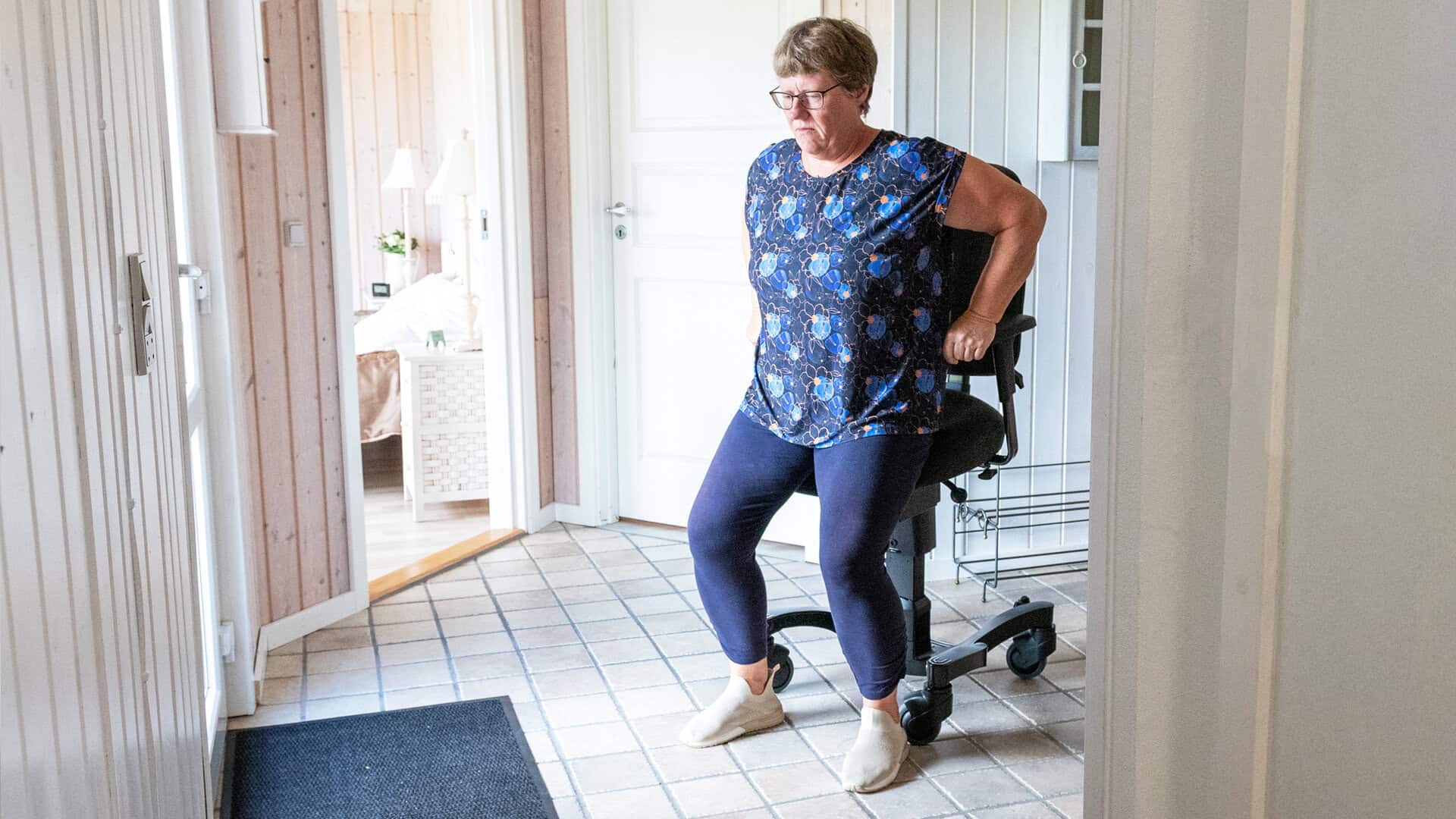
In nursing homes, maintaining resident independence can be challenging due to mobility issues and safety concerns. For those wishing to remain in their own homes, solutions like the VELA Independence Chair offer significant advantages. This medically approved mobility chair is designed for home use, providing enhanced safety features such as a central brake, freedom of movement while seated, and support for daily activities like cooking, dressing, or transferring. These features enable seniors to safely navigate their homes, reduce the reliance on informal caregivers, and promote a sense of freedom.
Current assistive technologies in senior care now routinely include AI-enabled smart wheelchairs, robotic exoskeleton devices for rehabilitation, and advanced wearable sensors that support predictive care. Smart mobility aids feature real-time health tracking, AI navigation, and app integration, while improving ergonomic comfort and safety. Adaptive furniture and user-friendly devices have been designed with inclusive features, supporting those with dexterity challenges and promoting adoption. Rehabilitation equipment leverages sensors and analytics for tailored therapy progression. Virtual and augmented reality systems are emerging in therapy and engagement activities, reducing social isolation and helping with memory care. Wearables not only detect falls but also provide early alerts for health changes, empowering proactive interventions that support independence and lower hospitalization rates.[3][1][9][6][3]
Reflecting on Elder Care Choices in Brunswick
Brunswick County offers a range of senior care options to meet its rapidly growing elderly population’s varied needs. Spacious facilities like Brunswick Cove and Arbor Landing provide essential services and foster community engagement, while advanced assistive technologies like VELA chairs promote independence and safety. According to the Novant Health Brunswick Medical Center Community Benefit Report, implementing holistic care strategies is crucial.
Modern models in assisted living and memory care settings now emphasize a combination of emotional well-being, sensory stimulation, tech-enabled personalized environments, and advanced clinical support. Policy and regulatory updates have expanded Medicaid and other funding for technology reimbursement. Initiatives focus on ensuring that digital assessment tools, mobility aids, and living solutions are inclusive and easily accessible, removing barriers for those with limited technical ability. Telehealth platforms are widely available for remote consultations and rehabilitation, while AI-powered ambient safety devices and predictive care are reducing readmissions and optimizing staffing resources.[2][7][5][5][6]
As the area’s population continues to age, Brunswick is poised to become a leader in providing excellent elder care. By emphasizing community support, improving healthcare infrastructure, adopting innovative assistive and digital technologies, and prioritizing person-centered well-being, Brunswick County is establishing itself as a beacon of top-tier senior care, ensuring that its residents’ golden years are indeed golden.[8]
Reducing Caregiver Burden Through Smart Seating
Its central brake ensures stability, while electric height adjustability eases transitions and reduces fall risks. With easy movement while seated, seniors can perform tasks with less fatigue, preserving their energy for activities they enjoy. This not only delays the possible need for nursing home care but also upholds the dignity and autonomy of elderly individuals in their own spaces. Though not the sole option available, the VELA Chair exemplifies a proven, practical method of ensuring safety and independence, promoting an enriched, self-reliant lifestyle for seniors.