

Updated February 2026: We have updated the article with new findings on AI-powered predictive devices, smart mobility aids, 3D-printed ergonomic wheelchairs, virtual rehabilitation, aging-in-place technology trends, and expanded insurance coverage for smart assistive equipment.
Navigating Senior Care Centers: A Complete Guide
Senior care centers play a pivotal role in supporting the aging population by providing services and environments tailored to seniors’ needs. As the number of seniors is expected to rise significantly, understanding the different types of senior care centers, their offerings, and the quality of care provided becomes crucial for families and individuals planning for the future.
An Overview of Senior Care Centers
A “senior care center” encompasses a variety of facilities that offer different levels of care based on the health and lifestyle needs of seniors. These centers aim to improve the quality of life for elderly individuals by providing a supportive environment equipped with specialized services. The senior living industry is expected to grow significantly, reaching nearly $100 billion by 2027, driven primarily by the aging baby boomer generation. This growth highlights the critical importance of selecting the most appropriate care setting. Recent industry reports further demonstrate increased adoption of technology-driven solutions—ranging from smart home systems and remote health monitoring to connected mobility aids, and AI-driven predictive tools such as smart walkers with fall detection and wearable sensors—to address both the growth and evolving expectations of senior residents[1][2][8][6].
Understanding the Types of Senior Care Centers
Senior care centers can be broadly classified into several types, each tailored to cater to different needs:
- Assisted Living Facilities: Ideal for seniors who require assistance with daily activities but desire to maintain a level of independence. Services typically include personal care, medication management, and social activities. Many facilities are now integrating technologies such as health-monitoring wearables, telemedicine portals, and app-based coordination tools to enhance both safety and personal autonomy, as well as AI-powered behavioral pattern analytics to detect mobility decline early and prompt individualized interventions[3][7][6].
- Nursing Homes: Suitable for seniors who require comprehensive medical supervision and assistance with everyday living activities. Enhanced digital monitoring, AI wearables, smart toilet seats for early disease detection, and ambient sensing systems are increasingly used for safety and real-time care oversight[5][2][6].
- Memory Care Units: Specialized environments designed for individuals with Alzheimer’s or dementia, providing focused care to ensure safety and comfort. New sensor-driven monitoring technology, adaptive lighting systems, and robotic companions offer additional support for cognitive and behavioral needs, helping to combat loneliness and boost engagement[3][5][2].
- Independent Living Communities: These communities cater to seniors who are largely independent but prefer a community setting with access to assistance if needed. The trend is moving toward bundled “aging well” packages, combining tools like smart locks, fall detection, sensor-based health insights, and personalized remote monitoring wearables that mainstream chronic condition management for greater independence and earlier intervention[1][8][6].
- Continuing Care Retirement Communities (CCRCs): These offer a continuum of care in a single location, enabling residents to transition between different levels of care as their needs change, now with increased emphasis on seamless integration of digital health records, telehealth with AI capabilities, and virtual specialty care to personalize health plans and streamline transitions[7][4][6].
It is common for a resident to start in an independent living community and transition to a higher level of care like a nursing home as their health needs evolve. For more detailed statistics, refer to Consumer Affairs Assisted Living Statistics.
Demographic Insights and Market Trends
The demographics of senior care indicate a shift toward an older population, with over 50% of assisted living residents being 85 years or older. Women represent about 70% of this group due to longer life expectancies. This demographic trend, combined with the projected growth in the elderly population, underscores the increasing demand for a variety of senior care solutions. As outlined in The Senior List Housing Statistics, this burgeoning demand necessitates expansion and innovation within the industry. The market is seeing accelerated adoption of connected devices, including AI-powered mobility aids, wearable monitors, Wi-Fi-based ambient sensors, personalized 3D-printed ergonomic wheelchairs, and virtual therapy tools that boost rehabilitation adherence[2][3][5][8][1][6]. Insurance coverage—including Medicare and Medicaid—now more frequently supports smart assistive devices and digital health monitoring, further accelerating adoption[1][6].
Regulatory Framework and Quality Indicators
Navigating the regulatory frameworks governing senior care is vital for ensuring quality and safety. Federal and state regulations are in place to establish standards concerning staffing, resident rights, and overall care quality. The Senior Living Nursing Homes Regulations provides a thorough overview of these standards, which are integral in maintaining high levels of care. Recent health policy changes increasingly support the integration of telemedicine, sensor-driven monitoring, digital health platforms, and AI-based analytics to facilitate resident safety, timely communication, wellness tracking, and reduced staff burden through automation and proactive care planning[1][5][7][2][6].
An example of adhering to these regulations could involve a facility that enhances resident engagement and reduces staff turnover through rigorous training programs, thereby enhancing the quality of care provided. Compliance requirements now frequently address the effective use of digital tools, respect for resident privacy, the implementation of inclusive and accessible device interfaces (such as large-text displays and loud alerts for those with dexterity or sensory limitations), and responsible management of sensor data as non-intrusive monitoring becomes widely implemented[3][6].
Enhancing Mobility and Independence in Senior Care Centers
Mobility issues are a prevalent concern in senior care centers, with risks such as falls, reduced range of motion, and transfer difficulties being common. Innovative solutions to these challenges are crucial, not only within senior care environments but also for helping older adults remain safely independent in their own homes. Recent progress includes smart walkers with integrated fall detection and emergency alerts, AI-powered wearables that detect subtle mobility changes or signs of conditions like nutritional deficits, and custom 3D-printed ergonomic wheelchairs that ensure individualized fit and posture[1][2][6]. These join smart wheelchairs equipped with AI-powered navigation, GPS tracking, collision avoidance, app-based controls, and voice command features—significantly improving both autonomy and safety[2][9]. Ambient sensing using Wi-Fi signals and non-wearable devices offers privacy-friendly ways to track movement and detect falls without the need for cameras[5].
Furthermore, virtual therapy with motion-capture devices is making rehabilitation more accessible and personalized, promoting better adherence and functional outcomes for seniors[1][6].
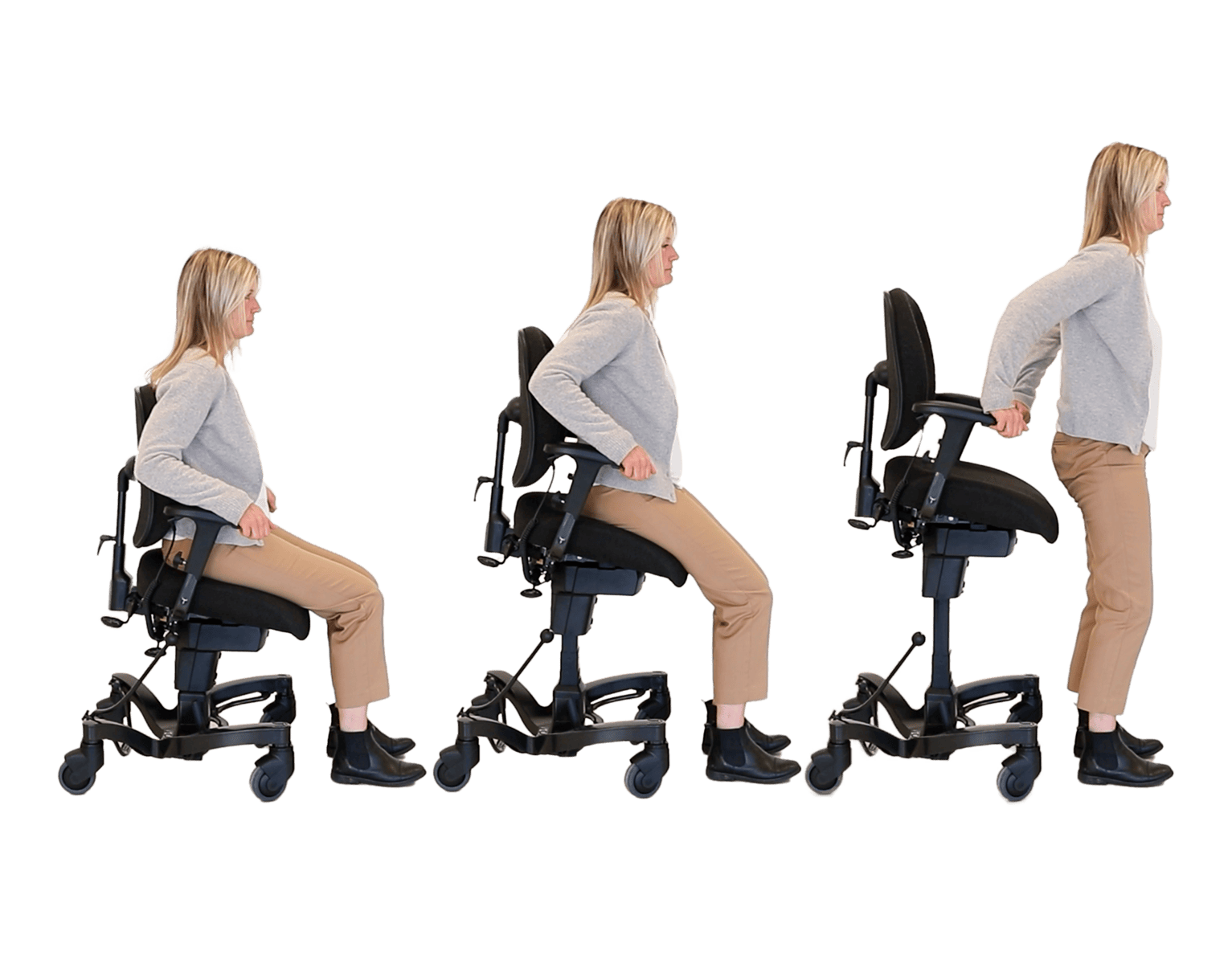
One such solution is the VELA Independence Chair, a medically approved mobility chair designed specifically for home use. It aims to enhance safety and freedom of movement while seated, supporting daily activities like cooking, dressing, or transferring. By easing the physical demands on informal caregivers, it may help extend the time seniors can remain at home independently. Current ergonomic advances in product design now leverage inclusive features, adaptive controls, 3D-print customization, and feedback from diverse users to optimize energy conservation, user comfort, transfer safety, and accessibility[1][2][3][8][6].
Making an Informed Choice
Choosing a senior care center involves matching a resident’s personal and medical needs with the offerings of a facility. Considerations include evaluating the need for care, potential for social interactions, and financial implications. Costs vary significantly, with memory care usually being more expensive due to the specialized services offered. It’s crucial to weigh these factors against regulatory compliance when making a decision. For reliable recommendations and up-to-date statistics, visit Senior Living Statistics.
Choosing the right senior care center is a nuanced decision with significant implications for both residents and their families. By understanding the types of facilities available, market dynamics, regulatory standards, and integrating mobility solutions, families can make informed and compassionate choices for future care. The trend is toward solutions that offer coordination across smart devices, telemedicine, AI-assisted health planning, remote monitoring, virtual therapy, inclusive user interfaces, and bundled personalized insights, ultimately improving emotional well-being, autonomy, and family communication while also lightening the load for caregivers[3][7][2][6].
For seniors wishing to stay independent at home, mobility solutions like the VELA Chair can make a significant difference. This chair addresses common challenges such as safety, energy conservation, and seamless transfers, potentially delaying the need for more intensive care settings like nursing homes. Its features, such as a central brake for stability, electric height adjustability, and ease of movement while seated, are designed to enhance daily life by safeguarding dignity, freedom, and safety. Whether preparing meals, cleaning, or unwinding, these chairs empower seniors to maintain their routines with reduced strain, supporting both their independence and the efforts of caregivers. While VELA is one effective option, a range of supportive seating solutions for seniors can facilitate safer environments and greater comfort. A growing number of seniors, caregivers, and professionals are seeking solutions that bundle physical aids with digital monitoring, AI-powered alerts, and virtual support through telehealth and robotic companionship, shaping the new standard in aging well[1][2][3][6][8].
Sources:
- Heisinger Bluffs, “The Future of Senior Living: Trends to Watch in 2025” https://www.hbrhc.com/blog/the-future-of-senior-living-trends-to-watch
- Everything Medical Online, “The Latest Trends in Mobility Aid Technology for 2025” https://everythingmedicalonline.com/blogs/news/the-latest-trends-in-mobility-aid-technology-for-2025
- Chattr.ai, “5 Emerging Senior Living Trends: The Future of Resident Care in 2025” https://chattr.ai/resources/senior-living-trends/
- Parks Associates, “The Future of Senior Care: How Ambient Sensing is Transforming Aging in Place” https://www.parksassociates.com/blogs/digital-health/the-future-of-senior-care-how-ambient-sensing-is-transforming-aging-in-place
- ResearchAndMarkets.com via GlobeNewswire, “U.S. Assistive Technologies for Older Adults Market Analysis Report 2025” https://www.globenewswire.com/news-release/2025/09/22/3153701/0/en/U-S-Assistive-Technologies-for-Older-Adults-Market-Analysis-Report-2025-Emerging-Opportunities-in-Smart-Home-Devices-Medical-Alerts-Mobility-Aids-and-Home-Modifications.html
- CaringData.com, “Technology in Senior Care: How Innovation Is Transforming Care” https://caringdata.com/index.php/2025/07/31/technology-in-senior-care/
- Mindbowser.com, “Elderly Care Technology: 6 Trends Shaping Home Health in 2025” https://www.mindbowser.com/elderly-care-technology-in-home-health-care/
- AANP (American Association of Nurse Practitioners), “Top Five Health Care Trends For 2026: How New Technology Is Transforming Patient Care” https://www.aanp.org/news-feed/top-five-health-care-trends-for-2026-how-new-technology-is-transforming-patient-care
- Medtronic, “6 Healthcare Tech Trends for 2026” https://www.medtronic.com/en-us/our-company/stories/6-healthcare-tech-trends-for-2026.html
- LeadingAge, “3 Trends in Senior Care Technology” https://leadingage.org/3-trends-in-senior-care-technology/