

Updated September 2025: We have updated the article with the latest advancements in assistive technologies, such as AI-powered mobility devices and ergonomic design enhancements, as well as the expanded Medicare caregiver training reimbursement policies and trends in caregiver certification and education for improved quality in elder care.
Senior Care Certifications: Meeting the Growing Demand for Qualified Caregivers
With the global population aged 60 years or over expected to reach 2 billion by 2050, the need for qualified senior caregivers is becoming more critical than ever, according to the United Nations. As people live longer, the demand for certified professionals who can provide quality elder care is projected to rise significantly. Certifications in senior care not only enhance a caregiver’s skills but also ensure that the elderly receive the dignified support they deserve.
Understanding Basic Caregiver Certifications
Basic caregiver certification serves as an essential foundation for those new to caregiving roles. It is a mandatory qualification for entry-level caregivers, ensuring they possess the fundamental skills necessary to assist seniors with daily activities. Requirements typically include a high school diploma, completion of a state-approved training program, and passing a competency exam. According to Care.com, these certifications focus on critical aspects such as personal care and emergency management. An entry-level caregiver, for example, might assist an elderly person named Mrs. Thompson with mobility issues, helping her navigate her home safely while managing her medication schedule.
Experienced caregiver Patricia Cohen shares that understanding how to communicate compassionately while assisting with these tasks is just as important as technical skills. She emphasizes that the certification process instills confidence in caregivers, enabling them to interact effectively with seniors.
Specialized Certifications for Enhanced Care
The needs of seniors can vary significantly, which is why specialized certifications are invaluable. Certifications in Dementia and Alzheimer’s care, Hospice, Palliative care, and Diabetes management allow caregivers to deliver focused, high-quality care. The National Council of Certified Dementia Practitioners (NCCDP) highlights the importance of dementia-specific training, offering programs that bolster caregivers’ abilities to effectively interact with patients experiencing cognitive decline. An example is a caregiver who utilizes training from the Alzheimer’s Association to enhance their approach, fostering better communication with dementia patients such as Mr. Lee, who often requires reminders of daily routines.
Registered nurse and dementia care specialist Sandra Mitchell advises that “knowledge of dementia care techniques allows caregivers to de-escalate challenging behaviors and improve patient interactions, fundamentally enhancing the quality of life for the individual and their family.”
State Requirements and Competency Examinations
Certification requirements vary by state, each with specific training hours and subject matter. Understanding these state-specific requirements is crucial for caregivers to work legally and effectively. According to Caregiver List, states like Florida have detailed guidelines for Alzheimer’s care, including topics like HIV/AIDS and medication monitoring. A caregiver in New Jersey, for example, must meet over 60 hours of training to secure their certification legally, ensuring they are thoroughly prepared for the rigors of elder care.
Certified caregiver James Thompson shares his experience navigating state regulations, stating, “It was crucial for me to study the state guidelines carefully to ensure compliance and provide the best care possible for clients like Mr. Edwards, who suffers from Parkinson’s Disease.”
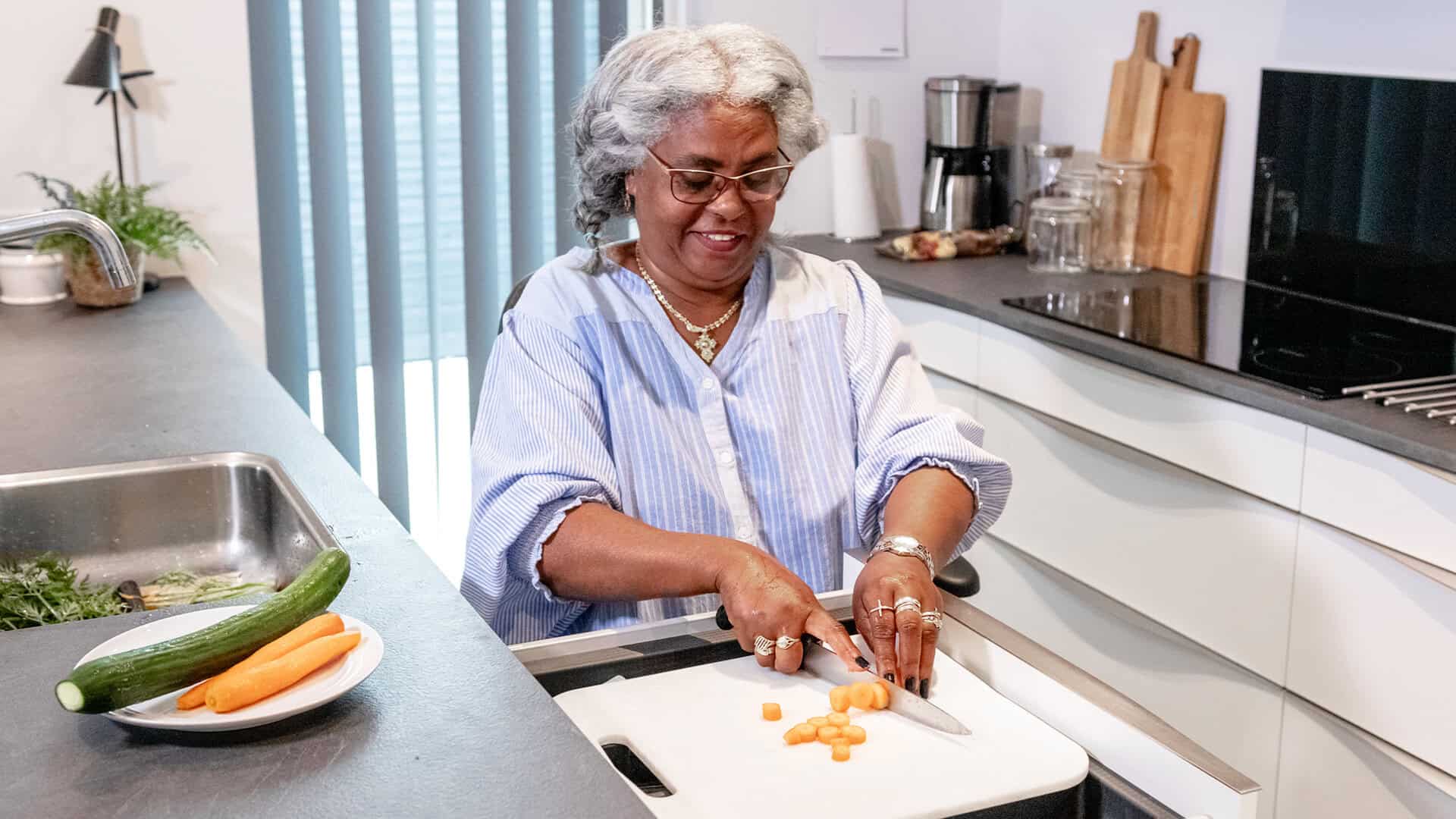
Transitioning from the traditional model of nursing home care to more innovative, flexible solutions can greatly enhance elderly individuals’ quality of life by promoting independence and mobility in the comfort of their own homes. For seniors wishing to remain as self-sufficient as possible, integrating adaptive tools such as the VELA Independence Chair provides a practical solution. This medically approved mobility chair is specifically designed to offer enhanced safety and freedom of movement while seated. It supports daily activities like dressing, cooking, and transferring, reducing the burden on informal caregivers and fostering a dignified, confident lifestyle at home.
The Latest in Assistive Devices, Ergonomic Design, and Technology Integration
Recent breakthroughs in assistive technology have introduced AI-powered mobility devices such as smart wheelchairs equipped with obstacle detection, health monitoring, and voice or facial gesture controls. Robotic exoskeletons now enable spinal injury patients and those with mobility challenges to walk again. Innovations also include smart canes with GPS and environmental sensors, brain-computer interfaces, and sensory-feedback prosthetics, all of which enhance autonomy for seniors and help reduce caregiver burden. These technologies are increasingly interconnected within digital health ecosystems for more personalized and inclusive support.
[2] Keyway Medical, [4] EqualAccessibility, [6] AbilityMT, [8] ATOB V19
A key trend in product development is the focus on ergonomic, customizable features that address the unique challenges of aging and disability. Wearable devices like exoskeletons and advanced prosthetics are now designed with AI and robotics for both comfort and function, supporting rehabilitation and independence. The evolution of these products is increasingly driven by user feedback and multidisciplinary collaboration, leading to higher accessibility and improved usability for elderly and disabled individuals.
[4] EqualAccessibility, [2] Keyway Medical
Updates in Certification and Training: Expanding Opportunities in Elder Care
In 2025, Medicare introduced new reimbursement codes for caregiver training, enabling providers to bill for both in-person and telehealth education sessions for family, friends, and unpaid caregivers, as authorized by healthcare professionals. This regulatory advancement increases access to high-quality training and recognizes the vital role of continuing education and standardization in the certification process.
[5] Learn2Care
There is now increased emphasis on regular best practice updates and ongoing professional development for certified caregivers, which are linked to enhanced care quality and greater professional recognition. Certified caregivers, equipped with updated skills and technologies, report better preparedness, lower burnout, and more career advancement opportunities. Facilities and families increasingly use certification as a benchmark for service quality and credibility.
[3] H2HHC, [7] RegencyHCS
The Importance of Reputable Senior Care Certifications
Senior care certifications are pivotal in maintaining high standards of elderly care. Not only do they equip caregivers with necessary skills, but they also reassure families of the quality of care their loved ones receive. Certification programs offered by bodies like the American Caregiver Association further legitimize a caregiver’s proficiency, often providing a competitive edge in the job market. Continuing education and specialization within these programs ensure that caregivers remain knowledgeable and adept at managing evolving care landscapes, including staying current with the latest assistive technologies and evidence-based approaches.
[3] H2HHC, [7] RegencyHCS
While certifications provide a strong foundation, it is equally important for caregivers to be aware of limitations such as the need for continuous updates to their education due to evolving care protocols and rapidly advancing assistive technologies.
As the demand for elder care continues to escalate, pursuing reputable certifications is not merely beneficial but essential. These certifications delineate professional pathways for caregivers and significantly enhance the quality of care that elderly individuals receive. By choosing comprehensive and recognized certification programs, caregivers can advance their careers while ensuring they deliver care that meets the highest standards, ultimately benefiting the seniors they serve.
Supporting Aging in Place: A Practical Option
Choosing to age at home rather than transitioning to a nursing facility is an increasingly viable option for many seniors, thanks largely to innovations like the mobility chairs for seniors. VELA Chairs enable elderly individuals to maintain independence with safety and dignity at the forefront. Central to the design are features such as a central brake for added security during sitting and standing, electric height adjustability for smooth position changes, and ease of movement that conserves energy for day-to-day activities. This can significantly delay the necessity of moving into a nursing home by accommodating needs like cooking, cleaning, and self-care in a secure manner. Although VELA is not the only solution, its proven capabilities make it a practical choice for promoting autonomy and quality of life within the home environment.