

Updated September 2025: We have updated the article with current senior care costs for Lancaster, PA, recent changes in Medicaid reimbursement and rehabilitation practices, new policy initiatives to support aging and caregivers, the impact of workforce shortages, and the latest advances in smart, ergonomic assistive technology.
Navigating Senior Care Costs in Lancaster, PA: A Balanced Overview
When exploring senior care options in Lancaster, PA, understanding the costs involved is crucial. According to Care.com, Lancaster’s senior care costs are about 7% lower than the national average, making it an attractive option for families. As of mid-2025, Lancaster continues to offer rates below state and national averages, reflecting its reputation for affordability in senior care (Care.com).
Hourly Home Care Costs in Lancaster: What to Expect in 2025
In Lancaster, senior home care services begin at an average of $18.66 per hour, as reported by Care.com. These services are critical for seniors needing assistance with daily activities or recovering post-hospitalization. For example, the Smith family in Lancaster uses this service to assist their elderly mother with tasks like meal preparation and house cleaning. This setup enables her to remain comfortably at home, avoiding full-time care costs, which could reach approximately $2,426 monthly according to SeniorLivingNearMe.org.
Comparatively, Lancaster’s rates are competitive and have shown only a modest increase from $18.49 per hour in March 2025, noted by Care.com. Local care agencies continue to balance cost-effective service with accessibility, though workforce shortages and funding instability—challenges also noted statewide and nationally—may affect availability and facility admissions, as reported in the LeadingAge PA June 2025 report.
Comparing Assisted Living Facility Prices Across Lancaster County
Assisted living facilities offer a different dimension of care, with the median monthly cost in Lancaster County standing at $4,011, according to Willow Valley Communities. This cost highlights Lancaster’s affordability against the broader Pennsylvania average of $4,138. Options such as the Legend of Lancaster offer comprehensive care between $3,950 and $4,500 per month, providing ideal settings for seniors who need more assistance but wish to maintain independence, as noted by FamilyAssets. Recent data from A Place for Mom further confirms that median costs in Lancaster remain stable, with a wide range depending on services and amenities offered.
Mrs. Johnson, a local resident, performed extensive research by touring several facilities before settling in a community offering robust social programs and essential care services, all within her budget.
Financing Options for Lancaster PA Senior Care Services
Families in Lancaster can access several financial assistance programs to manage senior care costs. Programs like Medicaid and veteran benefits can ease the financial burden for eligible seniors. Additionally, understanding state-specific tax deductions for senior care is essential for optimizing resources.
The Browns, a local family, were able to manage assisted living expenses for their father utilizing Medicaid benefits and a long-term care insurance policy, as detailed by Paying for Senior Care. Beyond individual benefits, it is important to note that Pennsylvania Medicaid reimbursement for nursing homes and rehabilitation services transitioned to a Patient-Driven Payment Model (PDPM) in late 2025 (Pennsylvania Department of Human Services). This change increases requirements for accurate, real-time documentation of resident functional status, with an emphasis on individual clinical needs and integration of personalized assistive technology and ergonomic support in care plans (Baker Tilly). While these measures aim to enhance person-centered care, funding uncertainty and new admission limits may impact the financial stability and accessibility of local providers (LeadingAge PA).
Embracing Independence: Discovering Home-Based Solutions
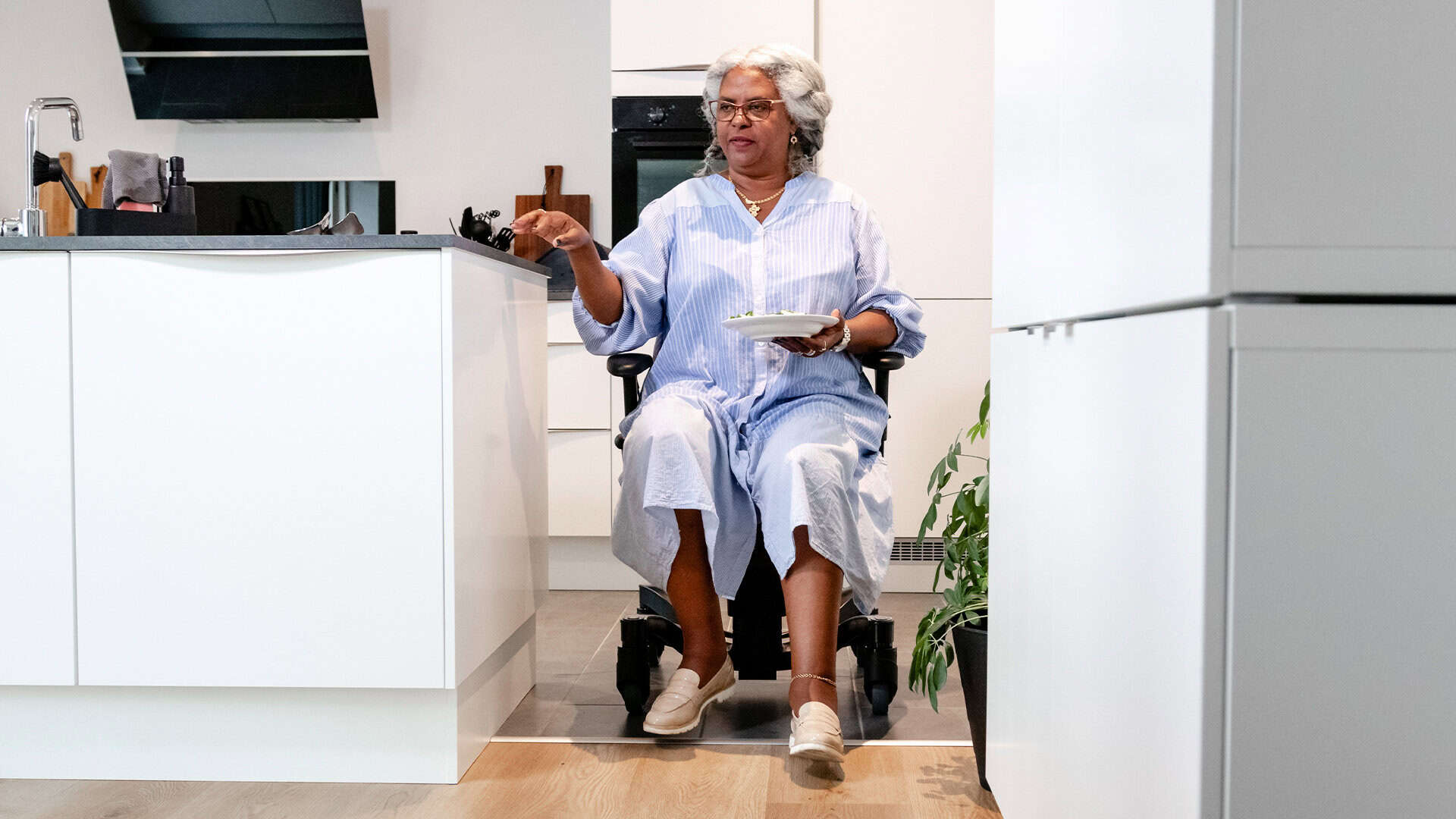
Transitioning into assisted living or nursing homes can be challenging for many seniors preferring the comfort of their own homes. However, balancing independence and reducing care costs is achievable through practical solutions. The Independence Chair for seniors, a medically approved mobility chair, offers a blend of safety and support, helping older adults remain self-sufficient at home. These chairs enhance freedom of movement while seated and aid in daily tasks like cooking, dressing, or transferring, thereby lessening the reliance on informal caregivers.
Innovative solutions like mobility chair options for the elderly can profoundly impact how seniors experience independence at home. Emerging technologies in 2025 now include AI-powered adaptive devices and function-based real-time assessment tools, allowing assistive equipment to automatically adjust support and positioning based on an individual’s movement patterns. These smart, ergonomic designs further improve comfort and safety, making home-based care more effective for seniors with diverse needs (LeadingAge PA).
This supportive aid not only preserves seniors’ dignity and freedom but also conserves energy, delaying the need for a nursing home. VELA chairs exemplify a reliable, though not solitary, way to enhance comfort and reduce the caregiver’s burden, balancing daily living demands with effective mobility support. As clinical guidelines increasingly integrate advanced assistive technology, families are encouraged to explore these solutions as a complement to traditional in-home or community-based care (Pennsylvania Department of Human Services).
Policy and Regulatory Trends Impacting Senior Care in Lancaster
Pennsylvania was designated an AARP Age-Friendly State in 2025, affirming its commitment to supporting older adults and caregivers. Initiatives such as the Age-Friendly Pennsylvania action plan and the PA CareKit provide enhanced support for care planning, family caregivers, and transparency in local aging services (Pennsylvania Government). However, families should be aware of recent changes and concerns regarding regulatory oversight of elder abuse protection and accountability in agency grading systems, potentially affecting how care quality is monitored and reported (Spotlight PA).
These developments make it vital for seniors and their families to consult current resources, ask thorough questions, and stay informed when evaluating care options to ensure affordability, quality, and peace of mind for the years ahead.