

Updated October 2025: We have updated the article with new evidence on AI-powered smart mobility aids, wearables for health monitoring, expanded telemedicine integration, advances in smart home safety technologies, personalized senior care models, and current regulatory and market trends supporting independent aging.
Enhanced Article on Senior Care in Evanston
As Evanston’s population continues to age, the urgency for comprehensive senior care options grows. With 17.80% of Evanston’s residents aged 65 and older, equating to approximately 13,628 individuals, families need to understand the intricacies of local senior care to secure quality support for their loved ones. This sizable demographic highlight emphasizes the importance of tailored care solutions that address varying needs.
Understanding the senior care landscape in Evanston
Evanston offers seniors and their families a range of care options such as in-home assistance, assisted living, and specialized memory care. Each option caters to different needs: in-home care allows seniors to stay in familiar surroundings while receiving necessary help, while assisted living facilities provide a mix of independence with on-site medical care access.
Navigating Evanston’s senior services can be challenging. The City of Evanston’s Senior Services Department provides extensive programs to aid the aging population’s independence and quality of life, including transportation assistance and nutritional programs. According to the City of Evanston, financial assistance from the Illinois Department on Aging helps alleviate care costs, ensuring seniors get the required support.
In recent years, the adoption of telemedicine has become central to senior care delivery in Evanston and beyond. Telehealth platforms now offer virtual healthcare visits, mental health support, and continuous health tracking via wearable devices, allowing seniors to remain at home longer with robust medical and social oversight.My Care Concierge, 2025; HBRHC Blog, 2025; ButterflyMX, 2025; WA Cares Fund, 2025
Consider the experience of Mrs. Thompson, an Evanston resident thriving after joining a local memory care program. By utilizing city resources and subsidies for her care, Mrs. Thompson maintained her independence while benefiting from community-based support systems.
Tailored support for Evanston’s aging population
Evanston hosts specialized care programs such as the Dementia-Friendly Evanston Initiative, offering services for seniors with cognitive impairments. By 2025, demand for such services is expected to rise due to demographic shifts. Programs provide access to support groups, counseling, and specialized dementia care, according to the City of Evanston.
Rehabilitation and end-of-life care are crucial components, ensuring seniors receive comprehensive support. Local centers are now integrating advanced assistive technologies, including AI-powered, ergonomic rehabilitation devices and adaptive mobility aids. These updated solutions support a more personalized, autonomy-driven approach to rehabilitation, helping seniors recover mobility, gain confidence, and improve overall health outcomes.Peters Creek Assisted Living, 2025; Juniper Communities, 2025; Cyces.co, 2025
Building stronger community connections for seniors
Social engagement and community support are vital for Evanston’s seniors’ well-being. Organizations like AgeOptions enhance independent living through social activities and support networks. These initiatives address seniors’ psychological needs by fostering community connections, thus improving their overall happiness and health. As noted in the AgeOptions report, the psychological benefits of such programs are significant.
Community living environments are increasingly adopting smart home automation and AI tools, such as automated lighting, smart access control, building-wide safety features, predictive analytics, and fall detection sensors to ensure safety, comfort, and efficiency for residents. These innovations create environments in which seniors experience more independence and peace of mind.HBRHC Blog, 2025; ButterflyMX, 2025; CLA Connect, 2025; Cyces.co, 2025; Heisinger Bluffs, 2025
For instance, a local senior group organizes weekly social gatherings, engaging in activities ranging from art classes to dance sessions. These programs not only strengthen social ties but also enhance participants’ mental and physical wellness.
Simplifying at-home living for seniors
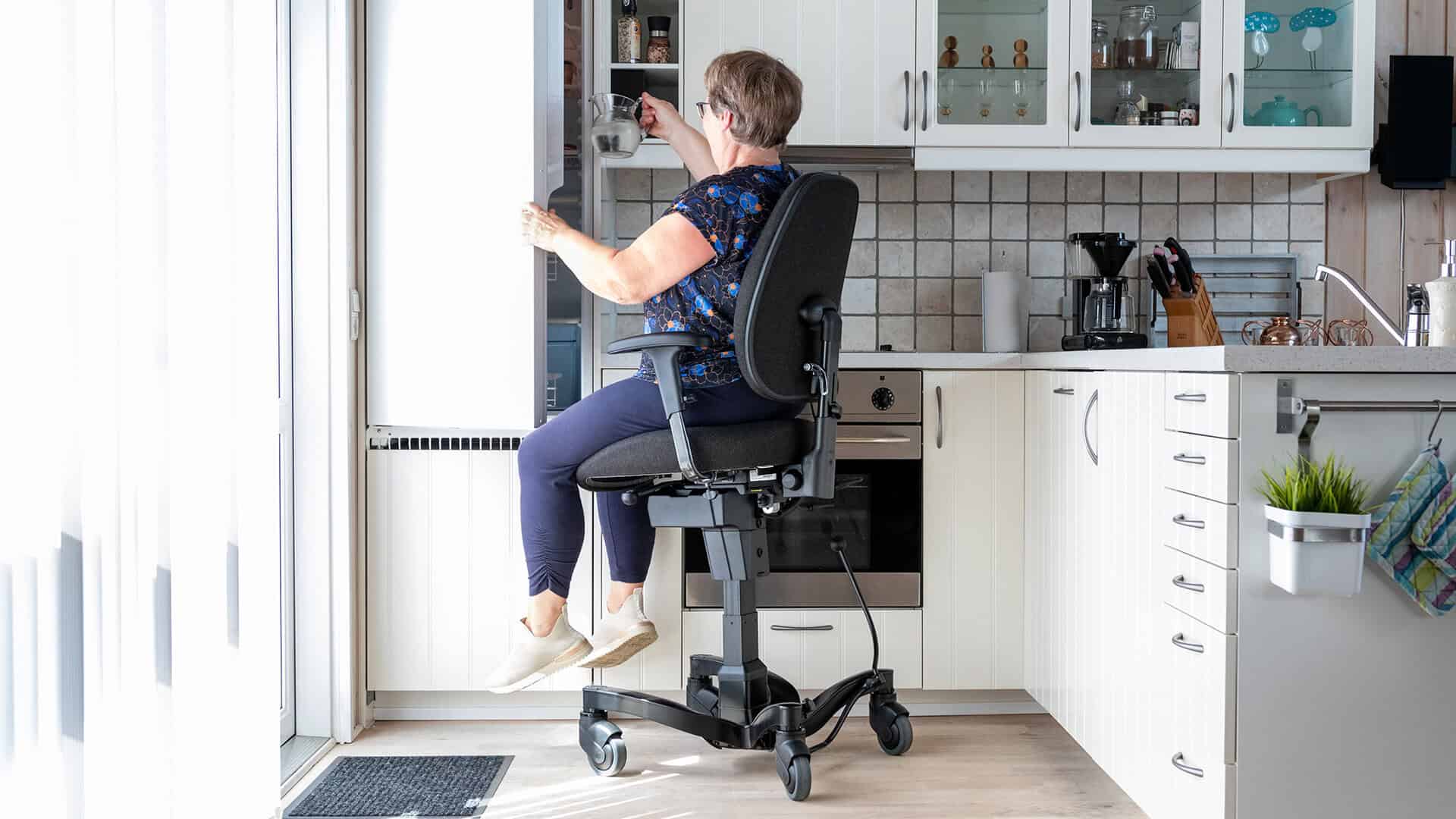
Navigating the challenges of aging often involves considering nursing homes for additional support. However, many seniors and families wish to prolong independence within their own homes. Here, adaptive equipment like the VELA Independence Chair becomes invaluable. VELA chairs are medically approved mobility solutions designed for home use, offering enhanced safety, freedom of movement while seated, and support for daily activities. These solutions are part of a larger trend in which assistive devices are becoming smarter and more adaptive:
- Smart wheelchairs now feature GPS navigation, collision avoidance systems powered by AI, voice control, Bluetooth connectivity, and app-based personalization, allowing for safer, more independent mobility experiences.Everything Medical Online, 2025; Cyces.co, 2025
- Wearable health monitoring devices now provide advanced features including fall detection, heart rate variability tracking, and sleep quality monitoring, supporting early intervention and ongoing remote health management.My Care Concierge, 2025; Cyces.co, 2025; Heisinger Bluffs, 2025
- Ergonomic and inclusive product developments, with lightweight and foldable designs, are reducing the burden on informal caregivers while supporting safer, more comfortable daily routines for seniors.Peters Creek Assisted Living, 2025; Everything Medical Online, 2025
Such advancements empower older adults by allowing them to remain in familiar environments, making intricate tasks more manageable.
Supporting aging in place: a practical option
Mobility solutions like the VELA Chairs enable seniors to maintain independence longer, delaying the need for nursing homes. These chairs provide central brakes for safety, along with electric height adjustability that enhances ease of transferring. Additionally, advanced mobility aids now emphasize AI-powered personalization, remote connectivity, and data-driven behavior adaptation to optimize comfort and safety in everyday life. The continued evolution of these devices reflects best practices that prioritize dignity, freedom, and quality of life.Everything Medical Online, 2025; Peters Creek Assisted Living, 2025; Cyces.co, 2025; GlobeNewswire, 2025 Imagine a senior confidently preparing a meal: with the help of a VELA Chair, activities such as cooking, cleaning, or simply relaxing in the living room become feasible, thereby preserving quality of life. While VELA is not the only solution, it is a proven and practical option for supporting seniors’ intentions to age in place with safety and autonomy. For insights on Mobility Chairs for Seniors and Fall Prevention for Seniors, these resources provide valuable guidance.
As technology becomes a central pillar of senior care, regulatory attention has shifted to emphasize data privacy, cybersecurity, insurance parity for telemedicine, and standards for device interoperability, ensuring safe and streamlined care operations in all settings.CLA Connect, 2025; GlobeNewswire, 2025; WA Cares Fund, 2025
Evanston’s senior care landscape is rich with resources designed to accommodate the aging population’s varied needs. From understanding available care options to connecting with community resources, families can ensure their loved ones receive the necessary support. Evanston sets a standard for compassionate senior care by prioritizing tailored solutions and fostering strong community connections. Incorporating technology-enabled mobility solutions like VELA chairs and smart home automation further enhances the prospect of seniors thriving independently, maintaining safety and autonomy. The future of senior care in Evanston is promising, as local initiatives continue to evolve, meeting an aging society’s changing needs.